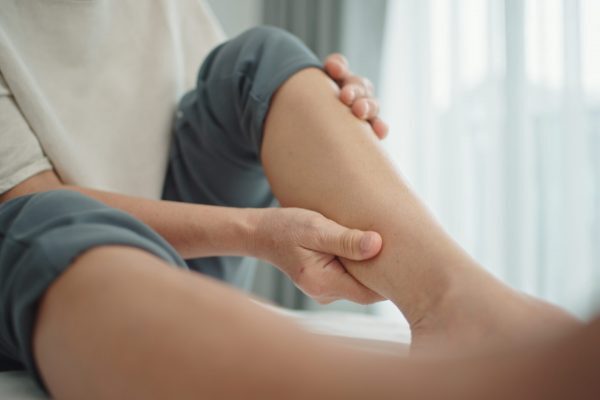

Have you ever completed a workout, felt fine afterward, and then found yourself struggling to walk down the stairs two days later? Muscle soreness that peaks 24–72 hours after exercise is a common experience, especially after trying a new workout, increasing intensity, or returning to exercise after a break. This phenomenon is known as delayed onset muscle soreness (DOMS), and while it can be uncomfortable, it is often a normal part of the body adaptation process.
What Is Delayed Onset Muscle Soreness (DOMS)?
DOMS refers to muscle pain and stiffness that develops several hours after exercise and typically reaches its peak between 24 and 72 hours later (Cheung et al., 2003). Unlike the burning sensation felt during exercise, which is caused by the accumulation of metabolic byproducts, DOMS develops after the workout has ended.
Researchers believe DOMS occurs when exercise creates microscopic damage to muscle fibers and surrounding connective tissues. This damage triggers an inflammatory response, leading to swelling, tenderness, and temporary reductions in strength and range of motion (Armstrong, 1984).
Although DOMS is often associated with intense workouts, it can occur even after moderate exercise if the activity is new or unfamiliar.
Why Does It Happen Two Days Later?
Many people wonder why soreness does not occur immediately after exercise. The delayed nature of DOMS is related to the body’s inflammatory and repair processes.
When muscle fibers experience microscopic damage, the immune system responds by sending inflammatory cells to the affected area. These cells help remove damaged tissue and initiate repair. As this process unfolds, chemicals are released that can stimulate pain receptors, causing soreness that gradually increases over the next one to three days (Cheung et al., 2003).
This delayed response explains why you may feel relatively normal the day after a workout but significantly more sore 48 hours later.
What Types of Exercise Cause DOMS?
DOMS is most associated with eccentric muscle contractions. Eccentric contractions occur when a muscle lengthens while producing force. Examples include:
- Lowering into a squat
- Walking or running downhill
- Lowering a dumbbell during a bicep curl
- Descending stairs
- Landing from a jump
Eccentric exercises place greater mechanical stress on muscle fibers and are more likely to cause microscopic damage compared to other types of muscle contractions (Proske & Morgan, 2001).
DOMS can also occur when:
- Starting a new exercise program
- Increasing workout volume or intensity
- Returning to exercise after time away
- Participating in activities your body is not accustomed to
Is Muscle Soreness a Sign of a Good Workout?
A common misconception is that soreness equals progress. While DOMS can indicate that your muscles were exposed to a new challenge, it is not required for strength gains, muscle growth, or improved fitness.
As the body adapts to training, soreness often decreases even though improvements continue. This adaptation, known as the “repeated bout effect,” helps protect muscles from future damage when performing similar activities (McHugh, 2003).
In other words, you do not need to feel sore after every workout to know your training is effective.
How Can You Reduce Muscle Soreness?
Although DOMS cannot always be prevented, several strategies may help reduce its severity:
Stay Active
Light movement such as walking, cycling, or gentle stretching can increase blood flow and temporarily reduce feelings of stiffness (Cheung et al., 2003).
Gradually Progress Exercise
Avoid making sudden increases in workout intensity, duration, or volume. Gradual progression allows the body to adapt more effectively and may reduce excessive soreness.
Prioritize Recovery
Adequate sleep, hydration, and proper nutrition play important roles in supporting muscle repair and recovery. Consuming sufficient protein throughout the day can help provide the building blocks needed for muscle tissue repair.
Warm Up and Cool Down
While warm-ups and cool-downs may not completely prevent DOMS, they can prepare the body for exercise and promote recovery afterward.
When Should You Be Concerned?
Most cases of DOMS are harmless and resolved within a few days. However, severe pain, significant swelling, extreme weakness, or symptoms that worsen rather than improve should be evaluated by a healthcare professional.
Additionally, if soreness is accompanied by dark-colored urine, severe muscle swelling, or an inability to perform normal daily activities, medical attention should be sought immediately, as these symptoms may indicate a more serious condition.
The Bottom Line
Muscle soreness that peaks two days after a workout is typically the result of delayed onset muscle soreness (DOMS), a natural response to microscopic muscle damage and the body’s repair process. While it can be uncomfortable, DOMS is generally a sign that your body is adapting to a new or challenging activity. The good news is that as your fitness improves and your body becomes accustomed to the exercise, soreness usually becomes less intense.
Rather than chasing soreness as a measure of success, focus on consistency, progressive training, and recovery habits that support long-term progress and overall health.
How We Can Help
As a Kinesiologist at CARESPACE Health+Wellness, I can help you build a personalized exercise program that challenges you appropriately while supporting recovery and reducing injury risk. Whether you’re new to exercise, returning after a break, or looking to progress your training, having a structured plan can help you move toward your goals safely and effectively.
References
Armstrong, R. B. (1984). Mechanisms of exercise-induced delayed onset muscular soreness: A brief review. Medicine and Science in Sports and Exercise, 16(6), 529–538. https://doi.org/10.1249/00005768-198412000-00004
Cheung, K., Hume, P., & Maxwell, L. (2003). Delayed onset muscle soreness: Treatment strategies and performance factors. Sports Medicine, 33(2), 145–164. https://doi.org/10.2165/00007256-200333020-00005
McHugh, M. P. (2003). Recent advances in the understanding of the repeated bout effect: The protective effect against muscle damage from a single bout of eccentric exercise. Scandinavian Journal of Medicine & Science in Sports, 13(2), 88–97. https://doi.org/10.1034/j.1600-0838.2003.02477.x
Proske, U., & Morgan, D. L. (2001). Muscle damage from eccentric exercise: Mechanism, mechanical signs, adaptation and clinical applications. The Journal of Physiology, 537(2), 333–345. https://doi.org/10.1111/j.1469-7793.2001.00333.x