Skip to content
Kitchener Waterloo Osteopath

Osteopath

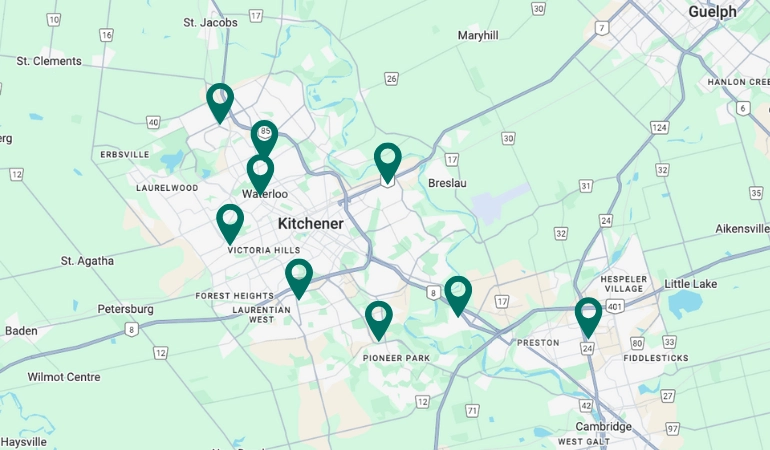
CARESPACE osteopaths use hands-on manual techniques to relieve pain, restore mobility, and support your body’s natural ability to heal. CARESPACE operates across Waterloo Region, providing osteopathy services in Kitchener, Waterloo, and Cambridge.

See our Osteopath Team

Open 7–days a week!
Monday–Friday: 8 AM–8 PM
Saturday–Sunday: 8 AM–6 PM
Appointments available now – call (519) 208-2273 or book online today.

Osteopathy at CARESPACE

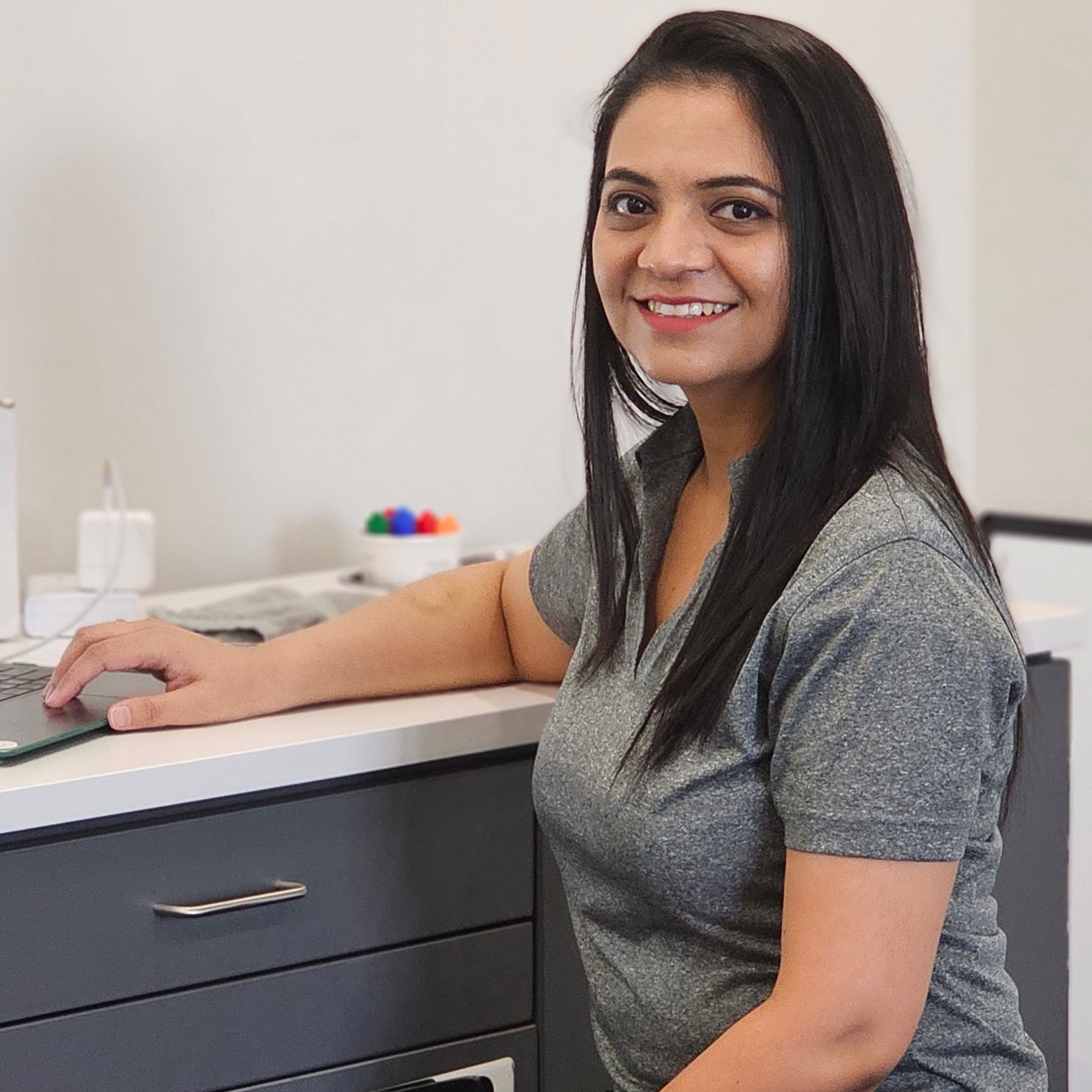
female osteopathic manual practitioner

Choose Your CARESPACE Osteopath

Simply choose the best osteopath near you to get started and book your first appointment.

See our Osteopath Team

Finding relief from pain and restoring how your body moves takes the right expertise, which can be hard to come by. Between demanding careers, family responsibilities, and the pull of daily life, nagging aches and stiffness can easily get pushed aside until they start limiting what you can do. And if you’re dealing with persistent pain but aren’t sure where to turn, or have tried other approaches without lasting results, skilled hands-on care makes all the difference. Whether you’re a busy professional coping with tension headaches and back pain, a parent worn down by recurring aches, or an active individual recovering from an injury, an osteopath can provide the assessment and treatment you need.

CARESPACE offers professional osteopathy delivered by trained Osteopathic Manual Practitioners in a private, one-on-one setting. Our evidence-based treatments are tailored to your individual needs, ensuring safe and effective progress toward relief and recovery. With personalized care, clear explanations, and meaningful results, we help you reduce pain, restore mobility, and support your body’s natural ability to heal in a supportive and professional environment.

Why Choose a CARESPACE Osteopath

Choosing an osteopath is a meaningful investment in your health, and selecting the right practitioner is essential for your safety and success. CARESPACE offers a superior approach to osteopathy, delivered in a private, personalized, comfortable environment and designed to produce lasting, real-world results.

Our practitioners are Osteopathic Manual Practitioners with deep training in anatomy, physiology, and biomechanics, assessing the body as a connected system rather than treating symptoms in isolation. This whole-body understanding allows them to identify the root cause of your discomfort and design safe, effective treatment for clients with past injuries, chronic conditions, specific health goals, or those seeking relief for the first time. Every treatment plan is tailored to your unique needs, ensuring proper progression, reduced risk of injury, and measurable improvements in pain, mobility, and overall function.

Our treatments emphasize gentle, evidence-based manual techniques, including soft tissue manipulation, myofascial release, muscle energy technique, articulatory techniques, and cranial osteopathy, all applied with precision. From pain relief and improved mobility to postural support and recovery, our practitioners provide clear guidance, reassurance, and a treatment plan to help you feel better safely and efficiently. Choosing CARESPACE means investing in expert osteopathic care that empowers you to move freely, maintain long-term health, and confidently live an active lifestyle.

We’re here for you day, evenings and weekends

CARESPACE makes achieving your health goals easy and accessible by offering extended clinic hours with day, evening and weekend appointments.

  • 8AM–8PM Monday – Friday
  • 8AM–6PM Saturday – Sunday

Please call (519) 208-2273 or book online today.

Thousands of people have chosen CARESPACE for osteopaths that deliver real results.

Google Reviews for Osteopaths at CARESPACE

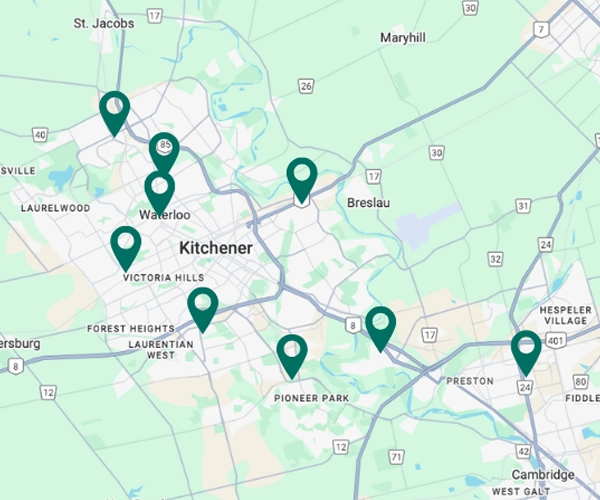
Find an Osteopath Near You at CARESPACE

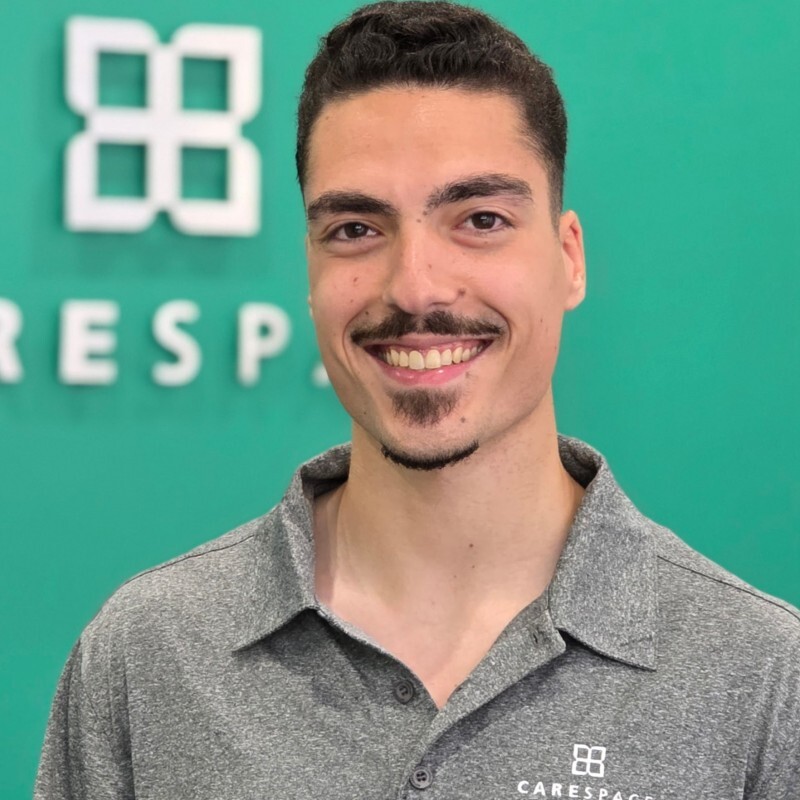
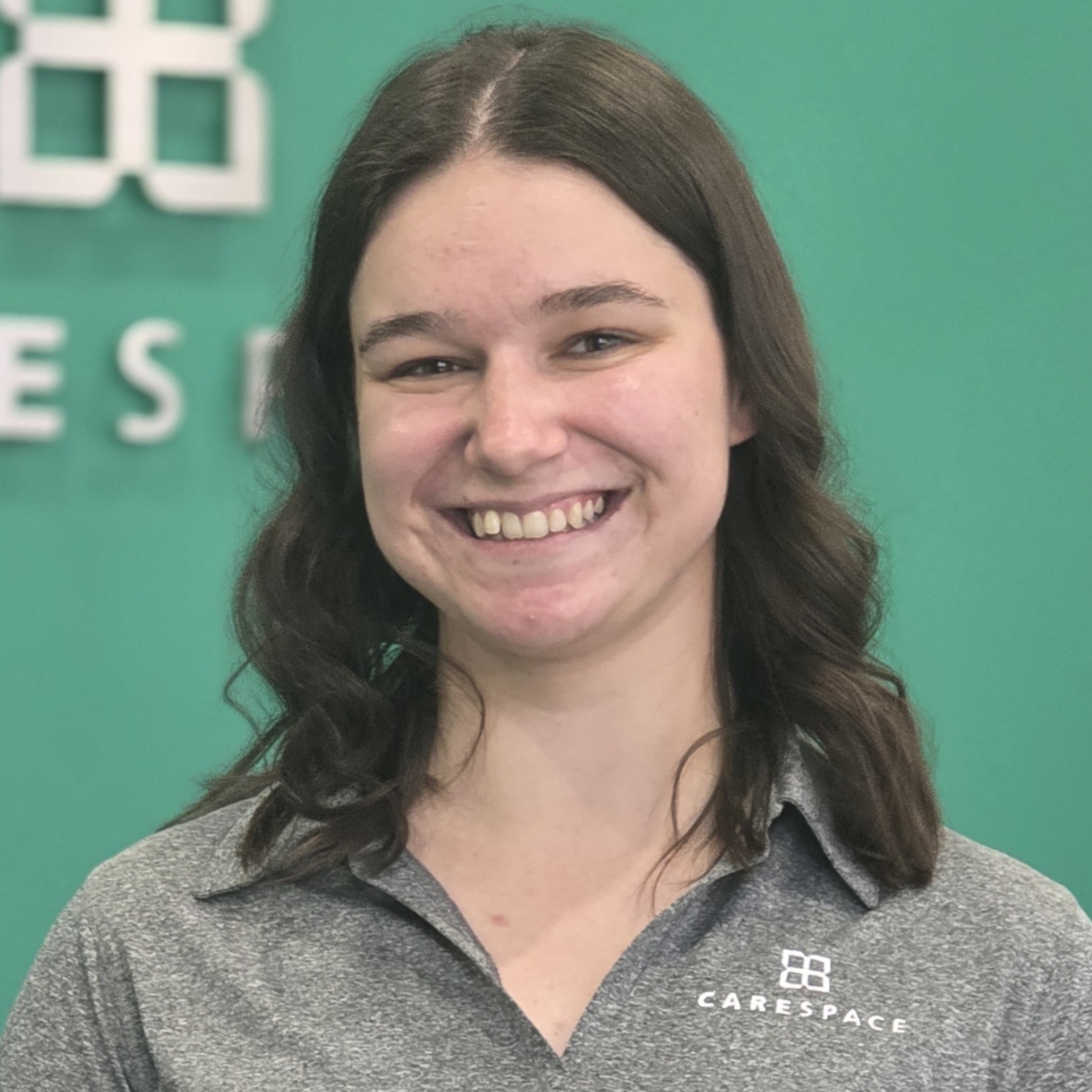
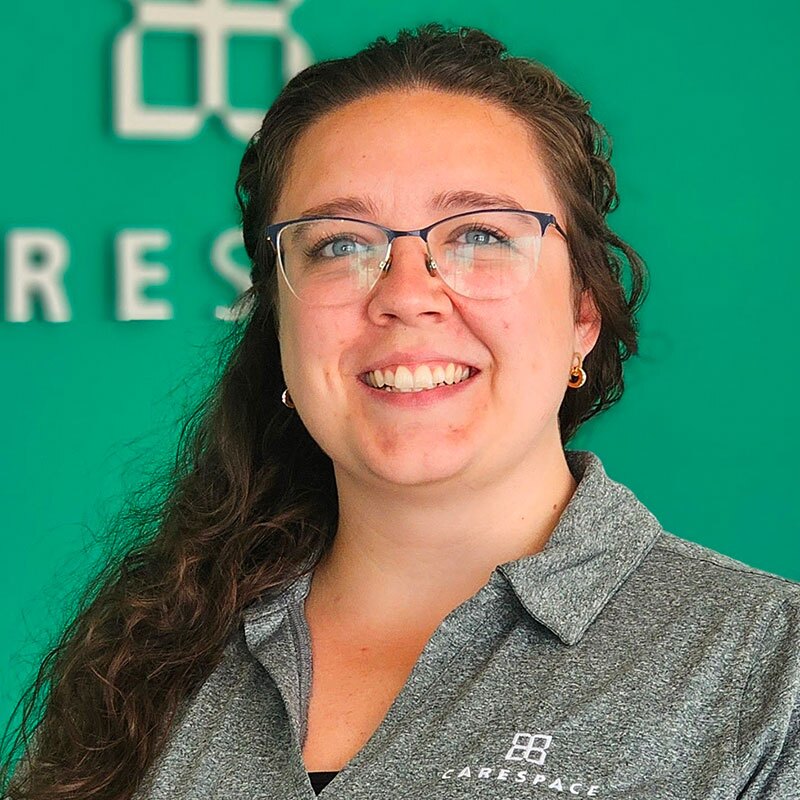
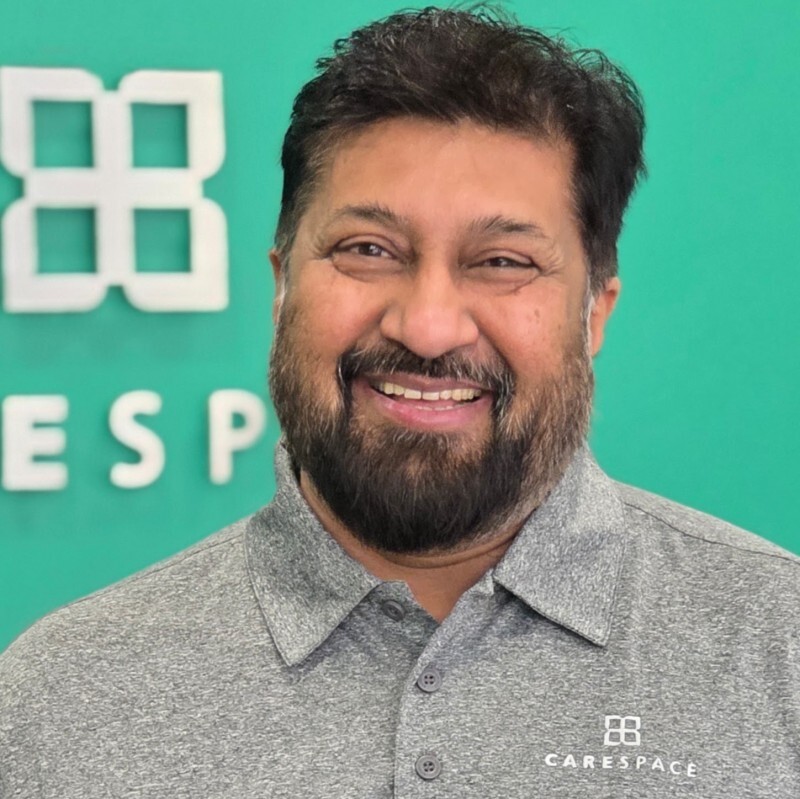
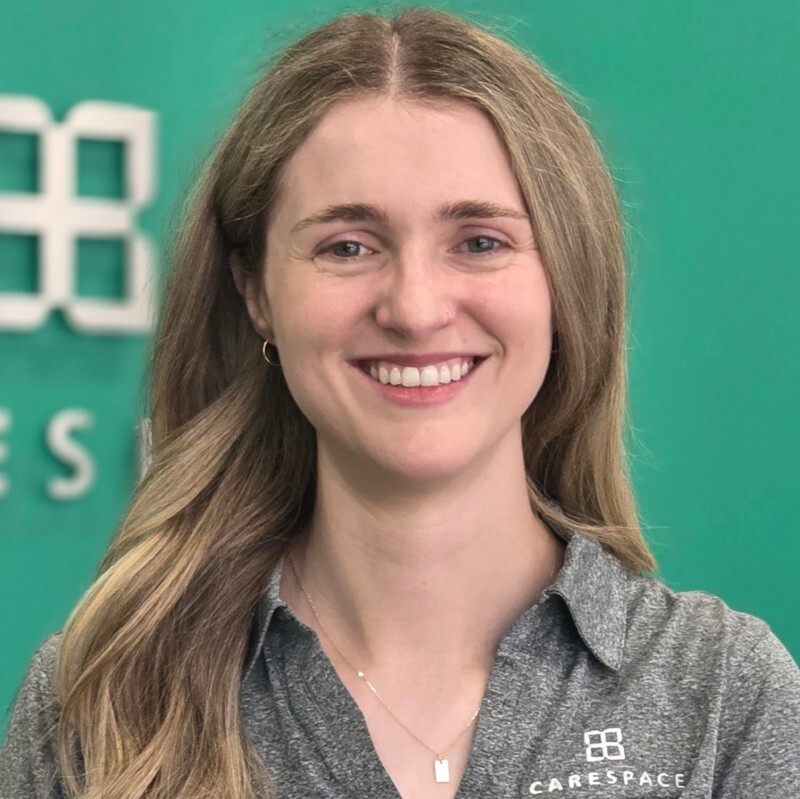
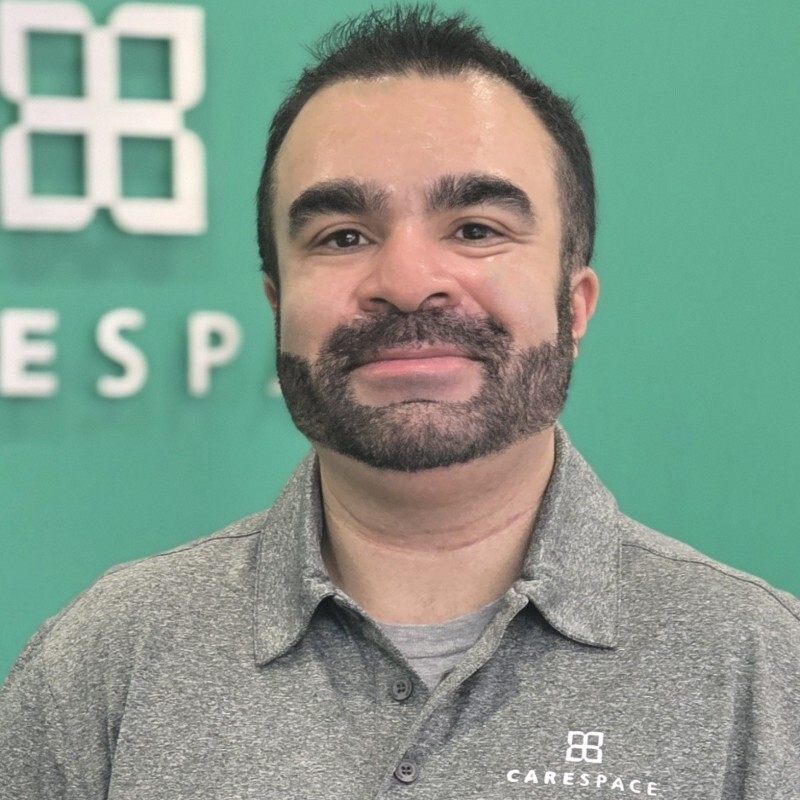
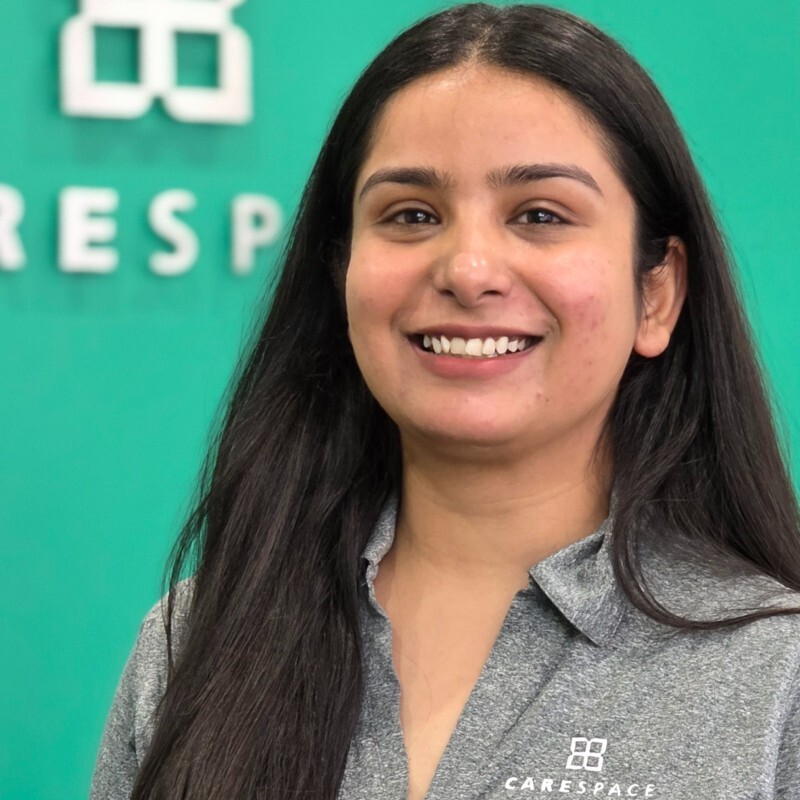
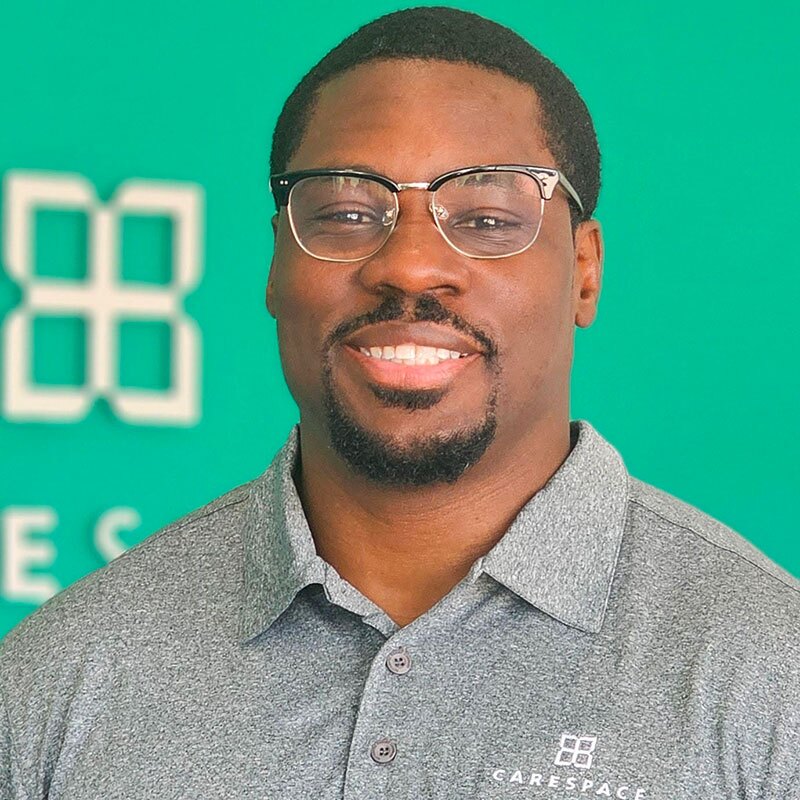
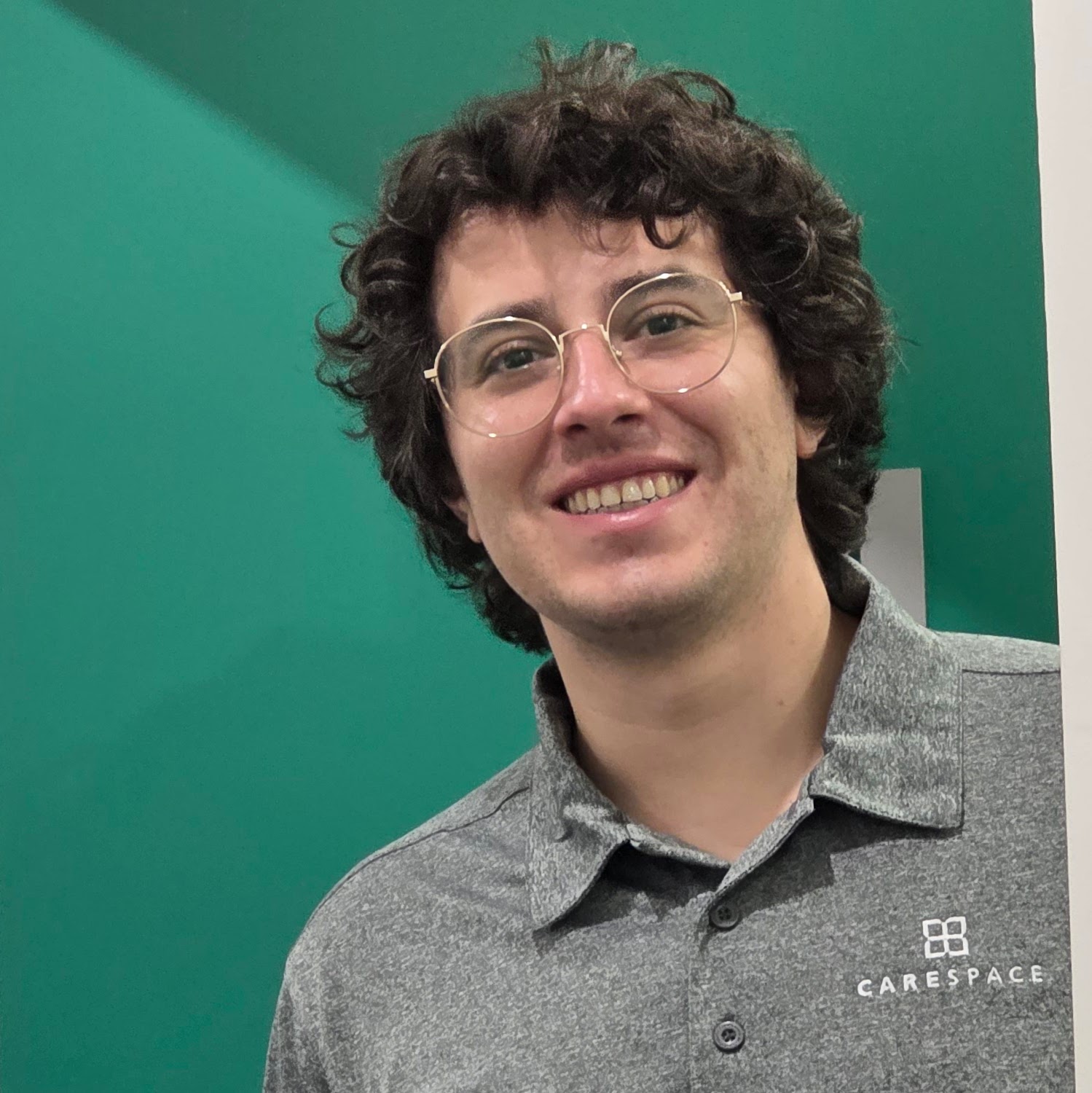
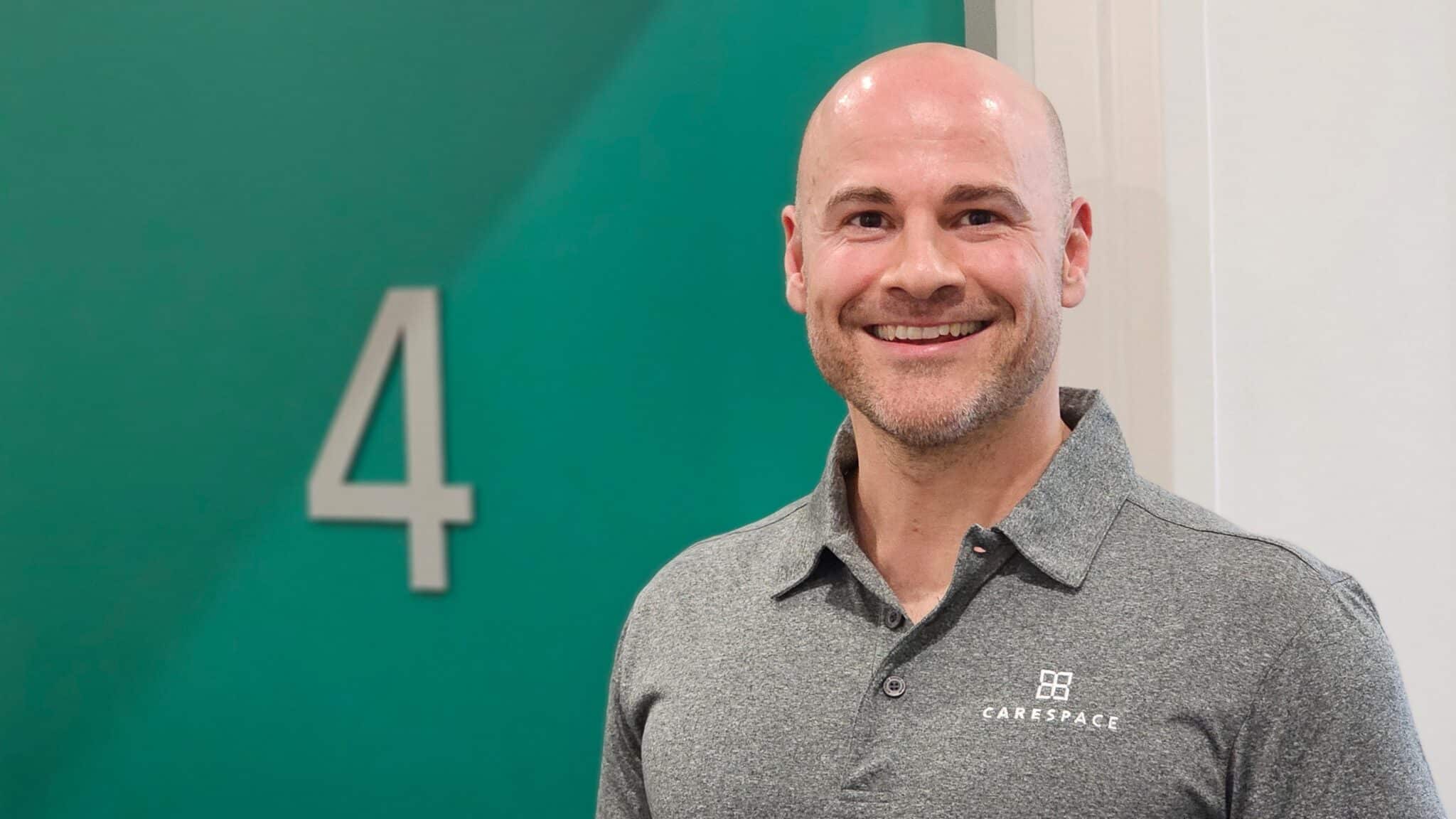
Meet Your Osteopathic Manual Practitioners at CARESPACE

Osteopathic Manual Practitioner

Waterloo - Weber North

Osteopathic Manual Practitioner

Kitchener – Fischer-Hallman
Osteopathic Manual Practitioner

Cambridge - Hespeler Road

Osteopathic Manual Practitioner

Waterloo - Uptown Waterloo

Osteopathic Manual Practitioner

Fitness Trainer/FST

Waterloo - Uptown Waterloo

Osteopathic Manual Practitioner

Kitchener - Victoria North

Osteopathic Manual Practitioner

Assistant Director

Kitchener - Westmount East

Prefer to talk to someone? Our live answer reception team is happy to help. Please call us at (519) 208-2273.

What to Expect from an Osteopath at CARESPACE

Your first visit with a CARESPACE osteopath is a deeply investigative and collaborative experience, unlike any other manual therapy you may have tried. We are dedicated to understanding your unique health story to uncover the true root cause of your concerns, not just where it hurts. Our process is designed to be gentle, thorough, and empowering, ensuring you feel comfortable, informed, and confident in the path to recovery from the very beginning.

Personalized Plans for Your Goals

Osteopathic care is the antithesis of a one-size-fits-all approach. Your journey begins with a comprehensive conversation, where your practitioner will dedicate significant time to listening. They will inquire not only about your primary complaint but also about your complete health history—including old injuries from childhood, past surgeries, illnesses, and even significant life stressors, as these past events often hold the key to present-day problems. This is followed by a detailed, hands-on assessment. Using a highly refined sense of touch known as palpation, your osteopath will gently evaluate the mobility and quality of tissues throughout your entire body, from your feet to your head. They are searching for subtle restrictions in joints, muscles, fascia, and even organs that create strain patterns. Based on this whole-body assessment, they will explain their osteopathic hypothesis in clear terms, showing you how seemingly unrelated restrictions are connected to your symptoms. Together, you will establish meaningful goals and create a personalized treatment plan.

Evidence-Based Treatments That Work

The practice of osteopathy at CARESPACE is guided by its core principles and supported by an understanding of modern science. The primary goal of treatment is to restore motion where it has been lost, which in turn improves function and allows the body’s self-healing mechanisms to work more effectively. Our practitioners use a wide variety of gentle techniques tailored to your body’s needs. These may include Myofascial Release, a technique that applies sustained pressure to the body’s connective tissue web to release deep-seated tension. They might use Strain-Counterstrain, an indirect method where the body is gently positioned to “turn off” the nerve signals that keep a muscle in a painful spasm. For joint issues, Articulatory Techniques involve gentle, rhythmic movements to improve range of motion and fluid circulation within the joint. For more complex issues like stress-related digestive upset, practitioners may use Visceral Manipulation to address restrictions around organs or Cranial Osteopathy, a subtle yet profound technique to influence the deep rhythms of the body. Progress is measured by improvements in mobility, reduction in pain, and your ability to return to the activities you love.

Multidisciplinary Support When You Need It

The holistic philosophy of osteopathy aligns perfectly with the CARESPACE integrated model. Your osteopath functions as a key part of a collaborative team, drawing on the expertise of other professionals to enhance your care. For instance, after your practitioner has successfully treated the root structural cause of your chronic low back pain—perhaps an old ankle injury that created a strain pattern up through your leg and into your pelvis—they may identify that your core muscles have become deconditioned. They can then facilitate a direct, in-house consultation with a CARESPACE physiotherapist. The physiotherapist, already understanding the osteopathic findings, can design a highly specific exercise program to rebuild stability and prevent the issue from recurring. If chronic pain has also led to anxiety or poor sleep, a seamless referral can be made to a mental health professional on your team, ensuring every aspect of your well-being is addressed.

What Is Osteopathy?

Osteopathy is a system of manual medicine based on the philosophy that the body functions as an integrated unit, possesses an inherent ability to heal, and that its structure and function are reciprocally interrelated. It is a patient-centred discipline that uses a wide range of gentle, hands-on techniques to diagnose and treat restrictions in the body’s tissues to restore health. However, understanding osteopathy in Ontario requires navigating some important distinctions regarding titles and regulation.

Osteopath vs. Osteopathic Manual Practitioner in Ontario 

In Ontario, the landscape of osteopathy can be confusing for the public. It is critical to understand the two distinct types of practitioners:

  • Osteopathic Physicians (D.O. or “Osteopath”): In Ontario, the title “Osteopath” is a legally protected title under the Medicine Act, 1991. It can only be used by Osteopathic Physicians who have graduated from an accredited osteopathic medical school in the United States. These individuals are fully licensed medical doctors, registered with the College of Physicians and Surgeons of Ontario (CPSO). They have the full scope of practice of a medical doctor, including the ability to prescribe medication and perform surgery. There are very few practicing Osteopathic Physicians in Ontario.
  • Osteopathic Manual Practitioners (OMP): This is the title used by the vast majority of osteopathic practitioners in Ontario and across Canada. These practitioners are specialists in manual therapy and are not medical doctors. Their practice is focused exclusively on using manual techniques for assessment and treatment, and they do not prescribe drugs or perform surgery. The practitioners at CARESPACE are Osteopathic Manual Practitioners.

The State of Regulation in Ontario

Currently, the practice of manual osteopathy is not a regulated health profession in Ontario under the Regulated Health Professions Act, 1991. This means there is no government-mandated college overseeing the profession, and training standards can vary significantly between educational institutions.

Because of this lack of government regulation, reputable professional associations have been established to create and uphold high standards for education and practice to protect the public. Organizations like the Ontario Association of Osteopathic Manual Practitioners (OAO) and Osteopathy Canada (OSTCAN) have set rigorous educational benchmarks, often based on the World Health Organization’s guidelines, which include a minimum of 4200 hours of education and 1000 hours of supervised clinical training. When choosing an Osteopathic Manual Practitioner, it is crucial to ensure they are a member of a reputable association like the OAO or OSTCAN, as this indicates they have met these high standards.

The Core Principles of Osteopathic Philosophy

Osteopathic practice is guided by four foundational principles established by its founder, Dr. Andrew Taylor Still. These principles form the lens through which an Osteopathic Manual Practitioner views health and disease:

  1. The Body is a Unit; the Person is a Unit of Body, Mind, and Spirit: This principle recognizes that the human body is an integrated whole. No part functions in isolation. A problem in one area of the body can have far-reaching effects on other areas. This holistic view means the practitioner considers the entire person—their physical structure, physiological processes, and mental-emotional state—in the assessment and treatment.
  2. The Body is Capable of Self-Regulation, Self-Healing, and Health Maintenance: Osteopathy is founded on the belief in the body’s innate wisdom and its powerful, inherent capacity to heal and maintain health. The role of the practitioner is not to “fix” the body, but to facilitate this natural healing process by removing obstructions and restoring normal function.
  3. Structure and Function are Reciprocally Interrelated: This is the cornerstone of osteopathic thought. It means that the structure of the body (bones, muscles, ligaments, organs, etc.) has a direct impact on its function, and conversely, the way the body functions affects its structure. A restriction in a joint (structure) will impair its movement (function). Repetitive poor movement (function) can lead to changes in the tissues (structure). An OMP uses this principle to understand how dysfunction in one area can lead to symptoms in another.
  4. Rational Treatment is Based Upon an Understanding of the Basic Principles of Body Unity, Self-Regulation, and the Interrelationship of Structure and Function: This principle ties the others together. An effective treatment plan is not based on a generic protocol for a condition, but on a rational application of the first three principles to the unique individual. The goal is to find the root cause of the dysfunction and apply the most appropriate manual techniques to help the body restore its own health.

The Osteopathic Manual Practitioner’s Toolkit 

An Osteopathic Manual Practitioner uses a wide variety of gentle, hands-on techniques. Their primary diagnostic tool is their highly trained sense of touch, or palpation, which they use to feel for subtle changes in the quality, texture, and mobility of the body’s tissues. Treatment is always tailored to the individual. Some of the common techniques include:

  • Soft Tissue Manipulation: This includes a range of techniques like stretching, kneading, and deep pressure to relax tense muscles, release fascial restrictions, and improve circulation to the tissues.
  • Myofascial Release: This technique involves applying gentle, sustained pressure to the fascia—the web of connective tissue that surrounds and connects every muscle, bone, nerve, and organ in the body. Releasing restrictions in the fascia can relieve pain and restore mobility across the entire body.
  • Muscle Energy Technique (MET): This is an active technique where the patient is asked to gently contract a specific muscle against the practitioner’s counter-pressure. This is used to lengthen shortened muscles, improve joint mobility, and reduce localized tissue restriction.
  • Articulatory Techniques: These involve gentle, rhythmic movements of a joint through its full range of motion. The goal is to improve the quality of movement within the joint, encourage the production of synovial fluid (the joint’s natural lubricant), and improve circulation.
  • Strain-Counterstrain: This is a gentle, indirect technique where the practitioner finds a tender point in a muscle and then moves the body into a position of maximum comfort to release the muscle spasm and “reset” the nerve signals that are keeping the muscle tight.
  • Visceral Manipulation: This involves gentle manual techniques applied to the organs (viscera) of the body to improve their mobility, tone, and motion. The theory is that organs, like joints, can become restricted, and that these restrictions can cause both local and referred pain patterns.
  • Cranial Osteopathy: This is a very subtle and gentle technique that involves the practitioner placing their hands on the patient’s head to feel for and influence the subtle, rhythmic motion present in all body tissues, known as the primary respiratory mechanism. It is used to treat a wide range of conditions, from headaches and TMJ dysfunction to concussions and sinus issues.

Osteopathy vs. Other Approaches

Navigating the options for manual therapy can be confusing. Understanding the unique focus of osteopathy compared to physiotherapy, chiropractic, and massage therapy can help you make an informed choice. At CARESPACE, we believe the best approach often involves a combination of these disciplines, working in synergy.

Osteopathy vs. Physiotherapy 

The primary distinction lies in the philosophical approach and scope of assessment. Physiotherapy is a health profession that excels at rehabilitating injuries and restoring function to a specific area of the body, primarily using therapeutic exercise, education, and targeted manual therapy. Osteopathy, guided by its core principles, takes a whole-body approach to every problem. An Osteopathic Manual Practitioner assesses the entire structure to find the root cause of dysfunction, which may be far from the area of pain, and uses a wide range of gentle manual techniques to restore the body’s self-healing capacity.

Osteopathy vs. Chiropractic Care 

While both professions use manual techniques to address joint restrictions, their focus and methods differ. Chiropractic care primarily focuses on the health of the spine and its relationship with the nervous system. The main therapeutic tool is the spinal adjustment, which is typically a high-velocity, low-amplitude (HVLA) thrust designed to restore motion to a specific spinal joint. Osteopathic manual practice uses a much broader range of techniques, most of which are gentle and do not involve HVLA thrusts. The assessment and treatment extend beyond the spine to include the entire musculoskeletal system, as well as the fascia, organs (viscera), and the craniosacral system.

Osteopathy vs. Massage Therapy 

The key difference is one of assessment and intent. Registered Massage Therapy is highly effective for assessing and treating the body’s soft tissues—muscles, tendons, ligaments, and fascia—to relieve pain, reduce muscle tension, and improve circulation. Osteopathy is a system of manual medicine that involves a comprehensive assessment of the entire body to form an osteopathic hypothesis about the root cause of a patient’s symptoms. While OMPs use soft tissue techniques, their treatment is guided by this whole-body diagnosis and also includes work on joints, ligaments, organs, and the craniosacral system to address the underlying dysfunction.

The CARESPACE Difference: Why an Integrated Approach is Best 

You do not have to choose. The core philosophy at CARESPACE is that the best outcomes are achieved when different therapeutic approaches work together. Your team of health professionals collaborates to determine the optimal combination of treatments for your specific needs. Your plan might include osteopathy to address the underlying structural imbalances, physiotherapy to restore strength and proper movement patterns, and massage therapy to manage compensatory muscle tension. This integrated, client-focused model ensures you receive the most comprehensive and effective care possible.

How Osteopathy Helps You Be Your Best

Osteopathy is a profound and gentle approach to health that empowers you to overcome physical limitations and live a fuller, more active life. By focusing on the principle that the body is a self-healing unit and that structure governs function, an Osteopathic Manual Practitioner can help you resolve long-standing issues, recover from setbacks, and unlock your body’s true potential for health and vitality.

Finding the Root Cause of Pain and Discomfort

Chronic pain—whether it’s in your back, neck, hips, or manifesting as persistent headaches—can be debilitating and frustrating, especially when other treatments have only provided temporary relief. Osteopathy excels at looking beyond the site of pain to find the underlying cause. Your pain might be in your shoulder, but the root cause could be a restriction in your ribs, a strain pattern in your diaphragm, or an old ankle injury that changed the way you walk. An Osteopathic Manual Practitioner uses highly refined palpation skills to assess the entire body, identifying these subtle restrictions in joints, muscles, fascia, and even organs. By treating the root cause, osteopathic care aims not just to silence the symptom, but to resolve the underlying dysfunction, leading to more profound and lasting relief.

Accelerating Recovery After Injury or Surgery

When you experience an injury or undergo surgery, the body’s natural response is to protect the affected area. This often leads to muscle guarding, stiffness, and the development of compensatory movement patterns that can persist long after the initial injury has healed. These compensations can lead to new problems down the road. Osteopathic manual practice plays a crucial role in the recovery process by gently restoring mobility, improving circulation and lymphatic drainage to the injured area, and releasing compensatory strain patterns throughout the body. This holistic approach ensures that you not only heal from the injury but also restore balanced, efficient movement, reducing the risk of re-injury and helping you return to your activities with confidence.

Preventing Future Issues and Building Long-Term Wellness

Many of the aches and pains we accept as “normal” are the cumulative result of years of poor posture, repetitive movements, or unresolved minor injuries. Osteopathy is a powerful tool for prevention and long-term wellness because it can identify and address these subtle imbalances before they become significant problems. By assessing the body as a whole, an Osteopathic Manual Practitioner can find areas of restricted mobility or tissue tension that may not be symptomatic yet but are forcing other parts of your body to work harder. By gently restoring balance and improving the body’s overall mechanics, regular osteopathic care can help prevent the onset of chronic pain, improve your posture, increase your resilience to stress and injury, and support healthy aging.

Enhancing Performance in Sport and Life

Optimal performance, whether in athletics or daily life, requires the body to function as a seamless, integrated unit. Any restriction in movement—in a joint, a muscle, or the fascia that connects everything—can create a drag on the entire system, limiting your power, efficiency, and coordination. Osteopathy can help enhance performance by fine-tuning your body’s mechanics. An Osteopathic Manual Practitioner can identify and release these subtle restrictions, ensuring that your joints move freely, your muscles fire in the correct sequence, and your body can transmit forces efficiently. This can lead to improved athletic performance, reduced risk of injury, and a greater sense of ease and freedom in all your movements, allowing you to enjoy your favorite activities to the fullest.

What to Expect at Your First Osteopathy Visit

Your first osteopathy visit at CARESPACE is a comprehensive and deeply investigative experience designed to understand your unique health story and get to the root cause of your concerns. We prioritize listening and clear communication to ensure you feel comfortable, informed, and confident in your care.

  1. A Thorough Conversation (The Health History): The visit begins with you. Your Osteopathic Manual Practitioner will dedicate a significant amount of time to an in-depth conversation about your primary health concerns, but also about your overall health history. This includes past injuries, surgeries, illnesses, and even major life stressors, from childhood to the present day. This detailed history is crucial, as an old, forgotten injury could be the root cause of your current problem.
  2. A Comprehensive Assessment (The Body Scan): Next, your practitioner will conduct a detailed physical assessment. You may be asked to stand and perform some simple movements to observe your posture and how your body moves as a whole. The majority of the assessment will be hands-on, with you lying on the treatment table. Using their highly trained sense of touch (palpation), your practitioner will gently assess the mobility and quality of the tissues throughout your entire body—from your feet to your head—including joints, muscles, fascia, and organs.
  3. A Clear Explanation (The Osteopathic Perspective): Based on the findings from your history and assessment, your practitioner will discuss their osteopathic hypothesis with you in clear, easy-to-understand language. They will explain how different areas of restriction and strain patterns in your body are interconnected and contributing to your symptoms. This is a collaborative process, and you will have ample opportunity to ask questions and ensure you are comfortable with the proposed plan.
  4. Your First Treatment: Your first treatment will begin during this initial visit. Using a variety of gentle, hands-on techniques tailored to what your body needs, the practitioner will start to address the most significant restrictions found during the assessment. The goal is to gently encourage the body to release tension, restore mobility, and begin its natural healing process.
  5. A Plan for the Future: You will leave your first appointment with a clear understanding of your personalized care plan. This includes the recommended frequency of follow-up visits and any simple advice on movement or self-care to support the treatment and help you maintain the improvements between sessions.

How Osteopathy Helps You Be Your Best

Osteopathy is a profound and gentle approach to health that empowers you to overcome physical limitations and live a fuller, more active life. By focusing on the principle that the body is a self-healing unit and that structure governs function, an Osteopathic Manual Practitioner can help you resolve long-standing issues, recover from setbacks, and unlock your body’s true potential for health and vitality.

Finding the Root Cause of Pain and Discomfort

Chronic pain—whether it’s in your back, neck, hips, or manifesting as persistent headaches—can be debilitating and frustrating, especially when other treatments have only provided temporary relief. Osteopathy excels at looking beyond the site of pain to find the underlying cause. Your pain might be in your shoulder, but the root cause could be a restriction in your ribs, a strain pattern in your diaphragm, or an old ankle injury that changed the way you walk. An Osteopathic Manual Practitioner uses highly refined palpation skills to assess the entire body, identifying these subtle restrictions in joints, muscles, fascia, and even organs. By treating the root cause, osteopathic care aims not just to silence the symptom, but to resolve the underlying dysfunction, leading to more profound and lasting relief.

Accelerating Recovery After Injury or Surgery

When you experience an injury or undergo surgery, the body’s natural response is to protect the affected area. This often leads to muscle guarding, stiffness, and the development of compensatory movement patterns that can persist long after the initial injury has healed. These compensations can lead to new problems down the road. Osteopathic manual practice plays a crucial role in the recovery process by gently restoring mobility, improving circulation and lymphatic drainage to the injured area, and releasing compensatory strain patterns throughout the body. This holistic approach ensures that you not only heal from the injury but also restore balanced, efficient movement, reducing the risk of re-injury and helping you return to your activities with confidence.

Preventing Future Issues and Building Long-Term Wellness

Many of the aches and pains we accept as “normal” are the cumulative result of years of poor posture, repetitive movements, or unresolved minor injuries. Osteopathy is a powerful tool for prevention and long-term wellness because it can identify and address these subtle imbalances before they become significant problems. By assessing the body as a whole, an Osteopathic Manual Practitioner can find areas of restricted mobility or tissue tension that may not be symptomatic yet but are forcing other parts of your body to work harder. By gently restoring balance and improving the body’s overall mechanics, regular osteopathic care can help prevent the onset of chronic pain, improve your posture, increase your resilience to stress and injury, and support healthy aging.

Enhancing Performance in Sport and Life

Optimal performance, whether in athletics or daily life, requires the body to function as a seamless, integrated unit. Any restriction in movement—in a joint, a muscle, or the fascia that connects everything—can create a drag on the entire system, limiting your power, efficiency, and coordination. Osteopathy can help enhance performance by fine-tuning your body’s mechanics. An Osteopathic Manual Practitioner can identify and release these subtle restrictions, ensuring that your joints move freely, your muscles fire in the correct sequence, and your body can transmit forces efficiently. This can lead to improved athletic performance, reduced risk of injury, and a greater sense of ease and freedom in all your movements, allowing you to enjoy your favorite activities to the fullest.

Osteopathy Evidence & Outcomes

At CARESPACE, our commitment to evidence-based care means we rely on high-quality scientific research to guide our practice. While the body of evidence for manual osteopathy is still growing, numerous systematic reviews and clinical trials have investigated the effectiveness of osteopathic manipulative treatment (OMT) for a range of conditions.

Low Back Pain 

Low back pain is one of the most studied areas in osteopathic medicine. A systematic review and meta-analysis of randomized controlled trials published in 2005 concluded that OMT significantly reduces low back pain, with a level of pain reduction greater than expected from placebo effects alone that persists for at least three months. More recent Cochrane reviews looking at spinal manipulative therapy (which includes techniques used by osteopaths) have found it to be as effective as other recommended therapies like exercise and physiotherapy for chronic low back pain.

Neck Pain 

The evidence for OMT in treating neck pain is also promising. A 2021 single-blinded randomized controlled trial found that OMT is relatively safe and effective in reducing pain and disability in patients with chronic neck pain. The study also reported significant improvements in sleep, fatigue, and depression, highlighting the holistic benefits of the treatment. An overview of systematic reviews also found promising evidence for the effectiveness of OMT for musculoskeletal disorders, including chronic non-specific neck pain.

Headaches 

For primary headaches, such as migraines and tension-type headaches, the evidence is still developing but shows potential. A 2017 systematic review concluded that there is a preliminary low level of evidence that OMT is effective in the management of headache, noting that it could likely reduce the number of episodes per month as well as drug use. The gentle, holistic approach of osteopathy, particularly cranial osteopathy, makes it a compelling option for individuals seeking non-pharmacological solutions for headaches.

Safety and Risk Profile 

Osteopathic manual practice is widely regarded as a safe and gentle form of manual therapy. The techniques used are non-invasive and are adapted to the individual patient’s age, health, and specific needs. The most common side effects are mild and transient, such as temporary soreness or stiffness for a day or two after treatment. Serious adverse events are exceedingly rare when treatment is provided by a properly trained practitioner who is a member of a reputable professional association that upholds high standards of practice and safety.

Insurance & Payment

Osteopathic manual practice is covered by most extended health plans in Ontario, provided the practitioner is a member of a recognized professional association. At CARESPACE, we make the process simple by providing a detailed receipt after every appointment. This receipt contains all the necessary information for you to easily submit a claim to your insurance provider for reimbursement. No physician referral is required to begin care, and our pricing is transparent. We are committed to making high-quality osteopathic care accessible.

Frequently Asked Questions About Osteopathy

No, you do not need a referral from a physician to see an osteopath. You can book an appointment directly with our team at your convenience, allowing you to access holistic care without delay.

This is a critical distinction in Ontario. The title “Osteopath” is legally protected for medical doctors who graduated from an osteopathic medical school in the U.S.. The practitioners at CARESPACE and most clinics in Ontario are Osteopathic Manual Practitioners (OMPs). OMPs are not medical doctors but are specialists in manual therapy who have completed extensive, multi-year training in osteopathic principles and techniques. We use the common term “osteopath” for ease of understanding.

Osteopathy is based on the principle that structure and function are interrelated. The organs of your digestive system are suspended by ligaments and fascia and need to move freely. An osteopath can use gentle techniques called visceral manipulation to assess and treat restrictions around these organs, which can help improve their function and alleviate symptoms like bloating or constipation.

Yes, osteopathic care provided by a practitioner who is a member of a recognized professional association, such as the Ontario Association of Osteopathic Manual Practitioners (OAO), is covered by most extended health insurance plans. All CARESPACE practitioners meet this standard.

Yes, the gentle and adaptable techniques used in osteopathy make it a very safe and effective therapy during all stages of pregnancy. It can help the body adapt to the changing physical demands and can be very effective for managing common issues like back pain, pelvic pain, and sciatica.

Osteopathic treatment is generally very gentle and is not painful. Practitioners use a wide range of techniques, from very subtle cranial and fascial work to more direct articulatory movements. You may feel gentle pressure, stretching, or movement, but the practitioner will always work within your comfort level. It is common to feel some mild soreness for a day or two after treatment, similar to what you might feel after a workout, as your body adjusts to the changes.

Latest Insights on Osteopathic Care and Wellness

Explore more expert tips and insights on how osteopaths can support your mobility, recovery, and overall wellness. See all osteopathy articles.