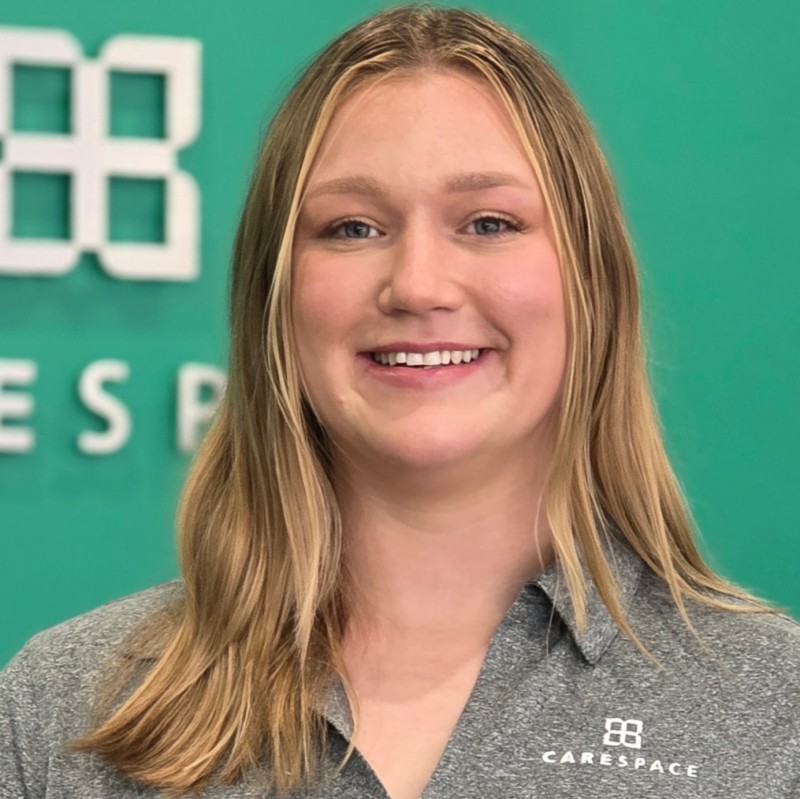
When knowing what to eat isn’t enough, Tilly McKenzie helps you turn advice into everyday habits.
You can know what you’re “supposed” to eat and still struggle when low energy, changing appetite, or a packed schedule gets in the way. You don’t need your efforts judged—you need help making nutrition work outside the appointment. Tilly McKenzie, BSc. (Hons), RD, offers practical, non-judgmental support as a
dietitian in Cambridge, bringing together clinical nutrition training, behaviour-change counselling, and experience making food education accessible.
You may be trying to manage blood sugar, navigate a medication change, feel more comfortable around food, or simply get meals organized during a demanding week. Tilly helps you work out which changes matter for your goals and which advice is creating unnecessary pressure. Her approach leaves room for your budget, culture, preferences, mental health, and everyday responsibilities. The aim is not to build a perfect diet. It is to help you feel informed, supported, and able to take your next step.
Tilly’s broad dietetic background means your care can support both everyday eating and more complex needs.
Tilly McKenzie, BSc. (Hons), RD, provides comprehensive dietetic care at CARESPACE Health+Wellness, with support for meal planning, nutrient intake, digestive concerns, heart health, chronic conditions, and nutrition through different stages of life. You do not need to fit into a particular diagnosis to benefit from working together.
In addition to this broad foundation, she brings focused experience in diabetes education, GLP-1 medication education, and the relationship between nutrition and mental health. Her background includes hospital placements, community cooking programs, and direct support work with adults with developmental disabilities.
That combination matters when knowing the science is only one part of the challenge. Tilly considers not just what would support your health, but what you can afford, access, prepare, and maintain. You get guidance that respects both your nutritional needs and your ability to put a plan into practice.
Your plan starts with your life, and you help decide what changes come next.
Your care begins with understanding what eating looks like for you: your routines, health history, appetite, symptoms, food preferences, and what has or hasn’t helped before. Tilly makes room for practical barriers, including irregular shifts, limited food access, low energy, or the effort involved in feeding a family.
Through
nutrition counselling , she uses clear explanations, collaborative goal-setting, and motivational interviewing to help you identify changes that feel relevant and achievable. Rather than expecting an overnight overhaul, you can work on meal-planning skills, a more manageable eating routine, or strategies for a specific health concern. Follow-ups are a chance to troubleshoot and adjust—not a test you pass or fail.
At
CARESPACE Hespeler Road, your plan can also connect with the wider multidisciplinary team. With your consent, nutrition recommendations can be coordinated with other aspects of your care, including mental health, movement, and medical support. That helps keep your goals connected instead of leaving you to make sense of separate recommendations alone.
Tilly’s hospital and community training helps translate complex nutrition needs into clear next steps.
Tilly earned a Bachelor of Science with Honours Specialization in Nutrition and Dietetics and a Diploma in Dietetic Education & Practical Training through Western University. Her studies provide a foundation for assessing nutritional needs and explaining the reasons behind recommendations, so you can understand your care rather than simply follow instructions.
Her supervised clinical placements included diabetes education at the Boris Clinic, primary care with the Hamilton Family Health Team, inpatient medicine, surgical oncology, and neurotrauma intensive care. Working across these settings involved individualized nutrition assessments and collaboration with other health professionals—a background that supports thoughtful care when nutrition intersects with other health needs.
She has also developed accessible education about GLP-1 medications and reviewed research for mental health nutrition resources. She is pursuing a Master of Science in Foods and Nutrition at Western, with completion expected in August 2027. Her experience delivering budget-conscious cooking demonstrations and infant-feeding education reflects an emphasis on turning knowledge into practical skills you can use.
You can address blood sugar and medication-related eating changes without putting your relationship with food aside.
If you are living with type 1, type 2, or gestational diabetes, Tilly brings experience from supervised diabetes counselling and group education. Her training included reviewing continuous glucose monitor data to identify patterns and connect them with nutrition and lifestyle recommendations. For you, the emphasis is on understanding how your eating patterns fit within your diabetes care and developing a plan you can actually use. You can work on practical meal planning and self-management skills while keeping your preferences and daily responsibilities in view.
When you take a GLP-1 medication, your questions may shift from deciding what to eat to working out how to meet your needs when eating feels different. Reduced appetite, early fullness, nausea, or constipation can become part of the conversation. Tilly offers nutrition support around adequate nourishment, protein, fibre, hydration, and changing food preferences, while keeping medication decisions with your prescribing professional.
Your relationship with food matters throughout that process. During primary-care training, Tilly helped lead a binge-eating disorder group using a non-diet, weight-inclusive framework. That experience informs a supportive approach when guilt, rigid rules, or all-or-nothing thinking make eating more difficult. You can discuss these challenges without having your food choices treated as a measure of willpower. When weight loss is one of your goals, it can be addressed openly while keeping your overall health, nutritional adequacy, and relationship with food central.
Progress can be reflected in more consistent eating, greater confidence planning meals, or a better understanding of your blood glucose patterns—not just a number on the scale. Together, you decide what meaningful progress looks like for you.
Book with Tilly and take the next step toward eating with more confidence.
Book your first appointment with Tilly today and start building a nutrition plan that respects your health, your relationship with food, and the life you actually live—one manageable step at a time.