
Anxiety Treatment in Kitchener, Waterloo & Cambridge — Quiet the Worry. Settle the Body.
Evidence-based multidisciplinary coordinated treatment for anxiety, delivered by regulated health professionals across 9 clinics in Kitchener, Waterloo, and Cambridge. Care for the worry loop, the body symptoms, and the avoidance patterns that keep anxiety going.
Call (519) 208-2273 or book online today.
Free. Online. No referral. No obligation.

Choose Your Anxiety Specialist
Book directly with the CARESPACE practitioner closest to you.
How Anxiety Treatment Helps
The thoughts won’t stop. The chest is tight. Sleep won’t come, and when it does, you wake at 2 a.m. running tomorrow’s worst-case scenario. You’ve tried apps, breathing, the occasional drink. None of it gets at both the racing mind and the body that won’t settle.
That’s what we do.
What is Anxiety?
CARESPACE provides treatment for anxiety and anxiety disorders — including generalized anxiety disorder (GAD), panic disorder, social anxiety disorder, and specific phobias — at 9 clinics across Kitchener, Waterloo, and Cambridge, Ontario. Treatment is delivered by registered psychotherapists, kinesiologists, acupuncturists, registered massage therapists, and naturopathic doctors. Your first online appointment is free.
Anxiety affects the brain, autonomic nervous system, and body together, causing persistent worry, racing thoughts, sleep disruption, and physical symptoms like rapid heartbeat, chest tightness, and muscle tension. It can present as acute (panic episodes) or chronic (generalized worry, social avoidance, phobic response), and is one of the most common mental health conditions in Canada — roughly one in ten adults will live with an anxiety disorder.
No referral required. Many local family physicians and psychiatrists refer their patients to CARESPACE for anxiety because of our coordinated multidisciplinary approach.
Is this you?
- Background worry that won’t switch off, even when nothing’s obviously wrong
- Racing heart, chest tightness, or shallow breathing — sometimes without warning
- Trouble falling asleep because your mind keeps scrolling worst-case scenarios
- Avoiding meetings, calls, or social events that used to be routine
- A panic episode that scared you enough you wondered whether it was your heart
If two or more sound familiar, you’re not the kind of person who white-knuckles forever. The free first online appointment can help you understand what kind of support fits and where to start.
Three things you can do tonight
- Box breathing for 5 minutes. Inhale 4, hold 4, exhale 6, hold 2. The long exhale activates the parasympathetic branch. Many people find it helps settle the body within a few minutes.
- 5-4-3-2-1 sensory grounding. Five things you see, four you hear, three you touch, two you smell, one you taste. Drops you out of the worry loop into the body.
- Phone outside the bedroom tonight. Anxiety + late-night scrolling is the highest-yield sleep saboteur. Charging the phone in the kitchen tonight is a one-decision intervention.
These won’t treat anxiety, but they’ll calm the next hour. Then book the call — it’s free.
How anxiety treatment starts at CARESPACE
- Book your free first online appointment. Choose a time that works; no referral required.
- Talk through what’s been happening. We’ll ask about symptoms, sleep, stress, panic, avoidance, and what you’ve already tried.
- Leave with a recommended starting point. You’ll know which practitioner or treatment pathway makes sense — and what your next step would be — before any paid treatment begins.
If CARESPACE is not the right fit, we will tell you. If you are in immediate danger, call 9-1-1; if you are thinking about suicide or worried about someone who may be, call or text 9-8-8 in Canada.
What Waiting Costs
- Poor sleep makes it harder. Stress can make sleep harder, and disrupted sleep can make stress harder to manage. The pattern reinforces itself.
- Avoidance can grow over time. Each meeting skipped, each call unreturned, can make ordinary situations feel more threatening.
- The body stays on alert. Muscle tension, shallow breathing, and a racing heart can keep the nervous system activated.
- Short-term coping can become its own pattern. What takes the edge off — a drink, late-night scrolling, food — may not solve the pattern underneath.
What changes once you start
- By next Friday. A clear read on what kind of anxiety you’re carrying (cognitive, autonomic, situational, trauma-loaded), and a first-line plan.
- By month 1. Active CBT or ACT work, body-side regulation tools, sleep returning, the worry loop starting to lose grip.
- By month 3. Sustained traction. The avoidance patterns shrink. The window of tolerance widens.
When CARESPACE may not be the right first step
If you are in immediate danger, call 9-1-1. If you are thinking about suicide or worried about someone who may be, call or text 9-8-8 in Canada.
CARESPACE may not be the right first step if:
- You are in acute crisis (active suicidality, psychosis) — community crisis services or specialist psychiatric care first.
- Severe untreated substance use needs specialized treatment first.
- A previously diagnosed condition (PTSD, OCD, bipolar) needs specialist psychiatric care that is not in our scope.
If that is the case, we will tell you clearly on the free call and help point you toward a more appropriate next step.
This is what evidence-based multidisciplinary coordinated treatment can change.
Tonight’s racing thoughts don’t have to be tomorrow’s.
How CARESPACE Treats Anxiety
Anxiety lives in two places at once — the worry loop in the head, and the activated nervous system in the body. The plan addresses both.
- Cognitive and behavioural change. Registered psychotherapists work on the worry loop, panic triggers, avoidance patterns, and behavioural change. Approaches may include CBT, ACT, exposure-based strategies, or other evidence-informed methods chosen based on your presentation.
- Body-side support when anxiety shows up physically. Acupuncture and registered massage therapy can help down-regulate the chest tightness, muscle bracing, and autonomic arousal that talk therapy alone doesn’t fully address.
- Exercise support. Kinesiology programs aerobic and resistance loading at doses that meta-analytic evidence shows can significantly reduce anxiety symptoms compared with control conditions.
- Sleep, recovery, lifestyle factors. Naturopathic medicine addresses sleep, recovery, lifestyle factors, and supplement review where appropriate and within scope.
How Each Practitioner Type Helps
- Registered psychotherapists — CBT, ACT, EMDR, exposure work for the cognitive and behavioural layer.
- Acupuncturists — autonomic down-regulation and pain modulation, useful in acute and chronic anxiety.
- Registered massage therapists — release of chronic muscle bracing in shoulders, neck, jaw, and chest that perpetuates body-anxiety.
- Kinesiologists — exercise programming dosed for anxiety reduction (intensity, duration, frequency).
- Naturopathic doctors — sleep, recovery, lifestyle factors, and supplement review where appropriate and within scope.
Not sure where to start? We’ll help you find the right first step.
For most anxiety clients, a registered psychotherapist is the right starting point — CBT, ACT, EMDR, and exposure work are the evidence-backed core. From there, your practitioner brings in body-side support (acupuncture, massage), exercise programming, or recovery factors when relevant. Your team works from one shared record, so you do not have to repeat your story.
Choose Your Anxiety Specialist

Psychotherapist
Cambridge - Hespeler Road

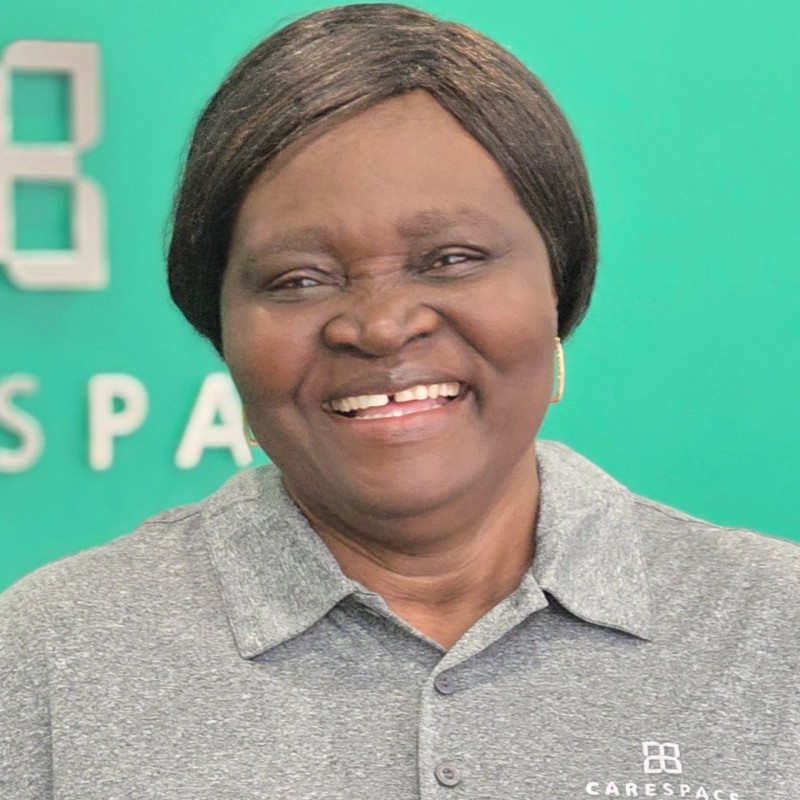

Psychotherapist
Waterloo - Weber North
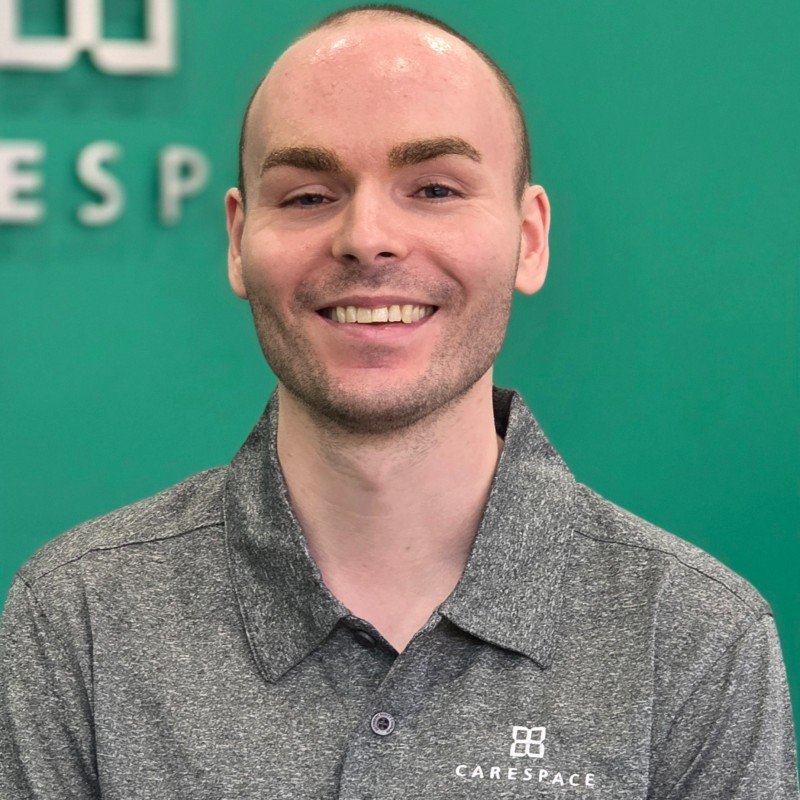
Psychotherapist
Cambridge - Hespeler Road
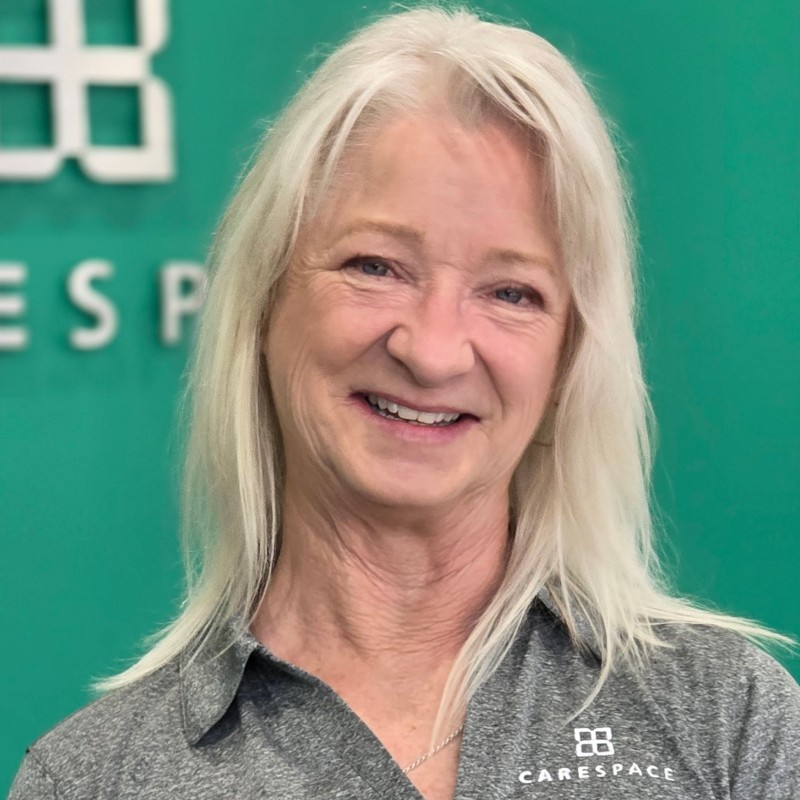
Psychotherapist
Kitchener – Fischer-Hallman


Psychotherapist
Clinic Director
Cambridge - Hespeler Road
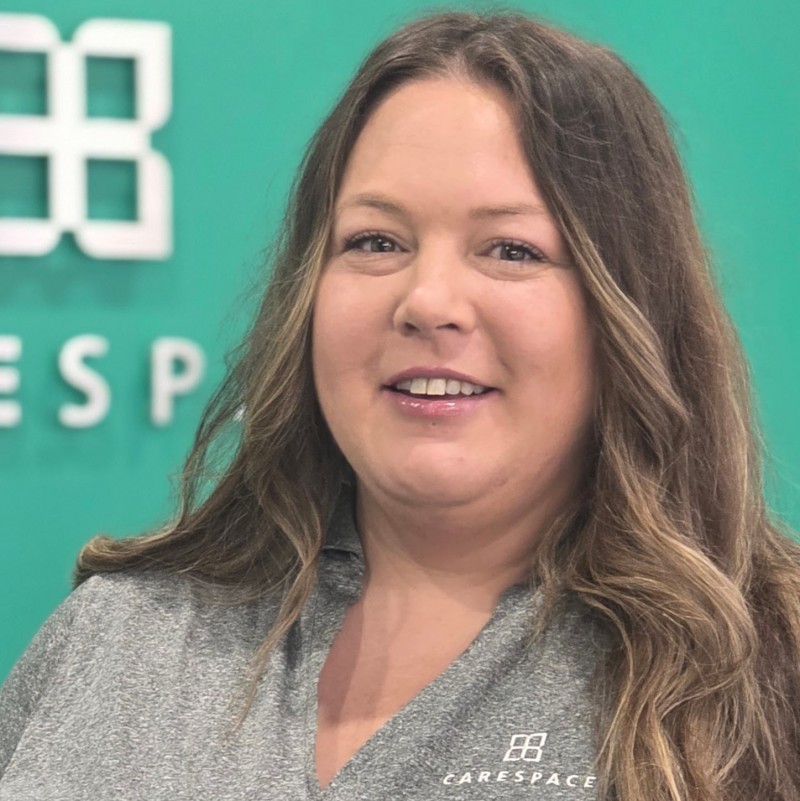
Psychotherapist
Waterloo - Waterloo GoodLife


Psychotherapist
Kitchener – Fischer-Hallman


Psychotherapist
Waterloo - Weber North


Psychotherapist
Kitchener - Westmount East

Psychotherapist
Clinical Director
Kitchener – Fischer-Hallman

Please call us at (519) 208-2273 or book online today.
Book at the location closest to you

Live-answer Reception
Please call us at (519) 208-2273 to talk with our live-answer Reception Team who will be happy to book, reschedule appointments or answer any of your questions, or book online now.
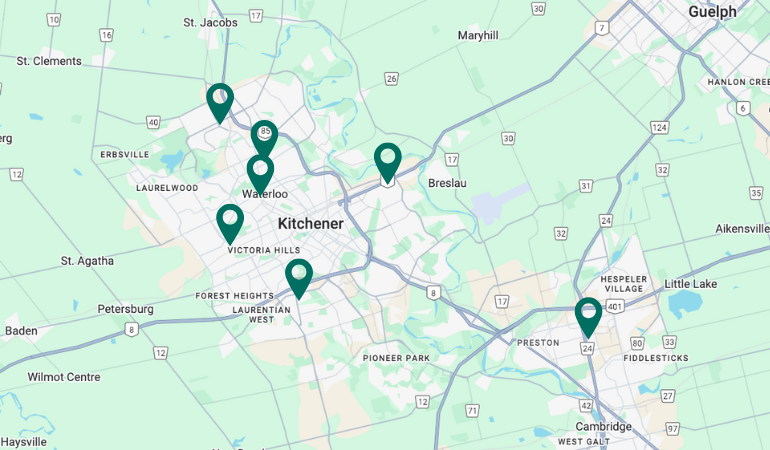
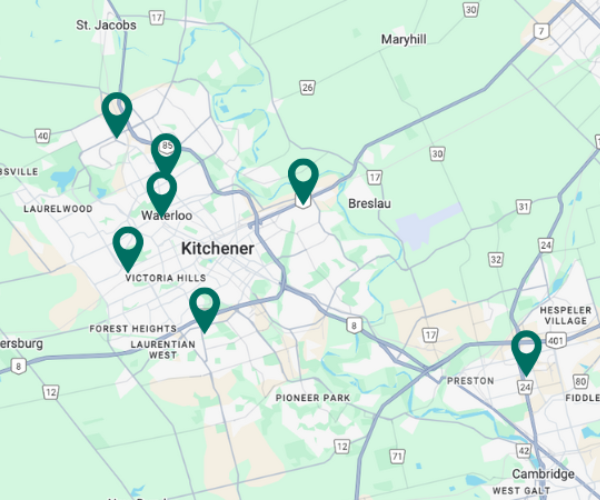
Kitchener Anxiety Treatment
720 Westmount Rd E, Unit 9, Kitchener, ON N2E 2M6
1373 Victoria Street North, #4A, Kitchener, ON N2B 3R6
851 Fischer-Hallman Rd, Unit 201, Kitchener, ON N2M 5N8
4293 King Street East, Unit 6, Kitchener, ON N2P 2E9
1225 Homer Watson Boulevard, Unit 104, Kitchener, ON N2C 0E5
Waterloo Anxiety Treatment
270 Weber St N, Waterloo, ON N2J 3H6
564 Weber Street North #12, Waterloo, ON N2L 5C6
75 King St S, #28B, Waterloo, ON N2J 1P2
Cambridge Anxiety Treatment
529 Hespeler Road, Unit 1, Cambridge, ON N1R 6J2
What Research Tells Us
Anxiety is common, treatable, and often affects both thoughts and the body. Coordinated treatment combining psychotherapy with body-side support and lifestyle factors tends to address more of the pattern than any single intervention alone.
- CBT has one of the strongest evidence bases for anxiety disorders. CARESPACE psychotherapists may use CBT, ACT, exposure-based strategies, or other appropriate approaches depending on your presentation (Hofmann et al., 2012, Cognitive Therapy and Research).
- Meta-analytic evidence shows exercise significantly reduces anxiety symptoms compared with control conditions in people with anxiety or stress-related disorders (Stubbs et al., 2017, Psychiatry Research).
What a coordinated anxiety treatment pathway can look like
Some clients start with psychotherapy to address worry loops, panic triggers, avoidance, or exposure work. If body symptoms are prominent, treatment may also include massage therapy, acupuncture, or exercise programming to support nervous-system regulation, sleep, and physical tension. Your plan depends on your symptoms, goals, health history, and practitioner assessment.
Your specific results will depend on your presentation, treatment plan, engagement, and follow-up care.
What to Expect At Your First Appointment
Online and free. Your free first online appointment is a conversation about what’s been hard, what you’ve already tried, and what you want to be different. Your practitioner will help you identify the right starting point — psychotherapy, body-side support, exercise programming, or coordinated treatment — and explain recommended next steps before any paid treatment begins. No referral required. No pressure. If CARESPACE is not the right fit, we will tell you clearly.
Frequently Asked Questions
How quickly will I feel a difference?
Most clients notice some autonomic calm within the first two to three sessions of body-side work (acupuncture, massage, breath-work), and cognitive shifts in the worry loop typically arrive between weeks 4–8 of CBT. Severe or trauma-loaded presentations take longer; the free call gives you an honest timeline.
Do I need a referral?
No. You do not need a referral to see a psychotherapist, kinesiologist, acupuncturist, RMT, or naturopathic doctor in Ontario. Many family physicians and psychiatrists refer to CARESPACE.
Do I need medication?
That’s a conversation with your family physician or psychiatrist. For mild-to-moderate anxiety, the evidence supports starting with therapy and exercise; for severe or treatment-resistant presentations, medication is part of the plan. We coordinate with your prescriber.
What does it cost?
Your first online appointment is free. If you choose to continue, follow-up fees depend on the practitioner and plan. Some services may be covered in whole or in part by extended health benefits. We’ll explain costs before any paid treatment begins.
Which kind of practitioner should I see first?
For most anxiety clients, a registered psychotherapist is the right starting point — CBT, ACT, EMDR, and exposure work are the evidence-backed core for the worry loop, panic, avoidance, and behavioural patterns. From there, your practitioner brings in body-side support (acupuncture, massage), exercise programming, or recovery factors when relevant. If you already know you’d prefer to start with a kinesiologist, acupuncturist, registered massage therapist, or naturopathic doctor, you can book directly.
What is anxiety?
Anxiety is a normal human response to perceived threat; an anxiety disorder is when that response is disproportionate, persistent, or out of context with the situation. The DSM-5 anxiety disorders include generalized anxiety disorder (GAD), panic disorder, social anxiety disorder, agoraphobia, and specific phobias. Common symptoms include persistent worry, racing thoughts, sleep disruption, rapid heartbeat, chest tightness, muscle tension, and avoidance. Roughly one in ten Canadian adults will experience an anxiety disorder.
Where can I get anxiety treatment in KW?
9 clinics across Kitchener, Waterloo, and Cambridge — daytime, evenings, weekends.
I think I had a panic attack. Was that anxiety?
Probably, yes. Panic attacks are sudden episodes of intense autonomic activation (rapid heartbeat, chest tightness, shortness of breath, fear of losing control or dying) that peak in minutes and resolve. They’re a defining feature of panic disorder and they also occur in other anxiety presentations. The free call helps you map what happened.
You’ve read this far. That’s not someone who is willing to keep white-knuckling forever.
CARESPACE delivers evidence-based multidisciplinary coordinated treatment for anxiety across 9 clinics in Kitchener, Waterloo, and Cambridge — psychotherapy for the worry loop, body-side support when anxiety shows up physically, and exercise and recovery support when lifestyle factors are activating the nervous system.
Book Your Free First Online Appointment
Free online appointment · No referral required · No pressure · If CARESPACE is not the right fit, we will tell you.