
Osteopath in Kitchener, Waterloo & Cambridge
Where it hurts is often not where the problem started.
A CARESPACE osteopath assesses your whole body, not just the painful part, to find the restriction that is actually driving your symptoms. Hands-on treatment, one practitioner, one private room, your full appointment.
Open 7 days a week. Weekdays 8am–8pm, weekends 8am–6pm. No referral needed.
Or call (519) 208-2273 – a real person answers.
People across Kitchener, Waterloo and Cambridge come to CARESPACE for their osteopath.
Trusted Across Waterloo Region for Hands-On Care
Why Choose a CARESPACE Osteopath
Choose Your CARESPACE Osteopath
Simply choose the best osteopath near you to get started and book your first appointment.
Osteopathy is not regulated in Ontario, which means training standards vary widely between practitioners. Knowing what to look for matters more here than in almost any other therapy.
Osteopathic Manual Practitioners With Full Accredited Training
Every osteopath at CARESPACE is an Osteopathic Manual Practitioner who has completed the training standard set by Ontario’s professional associations: a minimum of 4,200 hours of education and 1,000 hours of supervised clinical practice, benchmarked to World Health Organization guidelines.A Full Appointment, One-on-One, in a Private Room
Your practitioner stays with you for the whole appointment. No rotating between tables, no shared treatment bays, no handing you off to an assistant. Your first visit is 60 minutes, most of which is assessment and hands-on treatment.Open 8am–8pm Weekdays and 8am–6pm Weekends
CARESPACE clinics across Kitchener, Waterloo and Cambridge are open seven days a week, including evenings and weekends. You do not have to take time off work to get treated.Osteopathy Coordinated With Physiotherapy, Chiropractic and Massage
If your recovery needs more than manual therapy, your osteopath can bring in a CARESPACE physiotherapist, chiropractor, massage therapist or kinesiologist who already has your assessment findings. One record, one team, one building. A solo practitioner can refer you out; they cannot do this.Find an Osteopath Near You

Live-answer Reception
Please call us at (519) 208-2273 to talk with our live-answer Reception Team who will be happy to book, reschedule appointments or answer any of your questions, or book online now.
Open 7-days a week!
Monday–Friday: 8 AM–8 PM
Saturday–Sunday: 8 AM–6 PM
Kitchener Osteopath Clinics
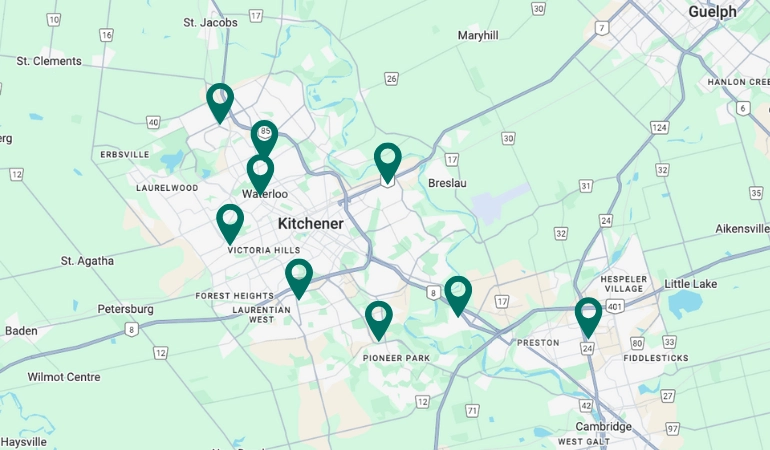
CARESPACE has five clinics in Kitchener offering osteopathy, with appointments seven days a week.
1373 Victoria Street North, #4A, Kitchener, ON N2B 3R6
720 Westmount Rd E, Unit 9, Kitchener, ON N2E 2M6
851 Fischer-Hallman Rd, Unit 201, Kitchener, ON N2M 5N8
4293 King Street East, Unit 6, Kitchener, ON N2P 2E9
1225 Homer Watson Boulevard, Unit 104, Kitchener, ON N2C 0E5
Waterloo Osteopath Clinics
CARESPACE has three clinics in Waterloo offering osteopathy, including Uptown and the Weber Street corridor providing convenience anywhere in the city.
270 Weber St N, Waterloo, ON N2J 3H6
564 Weber Street North #12, Waterloo, ON N2L 5C6
75 King St S, #28B, Waterloo, ON N2J 1P2
Cambridge Osteopath Clinics
CARESPACE offers osteopathy in Cambridge at our Hespeler Road clinic, open seven days a week. Our Deer Ridge location sits on the border of Kitchener and Cambridge providing convenient access to the communities of Preston and Blair.
529 Hespeler Road, Unit 1, Cambridge, ON N1R 6J2
4293 King Street East, Unit 6, Kitchener, ON N2P 2E9
Kitchener Osteopaths
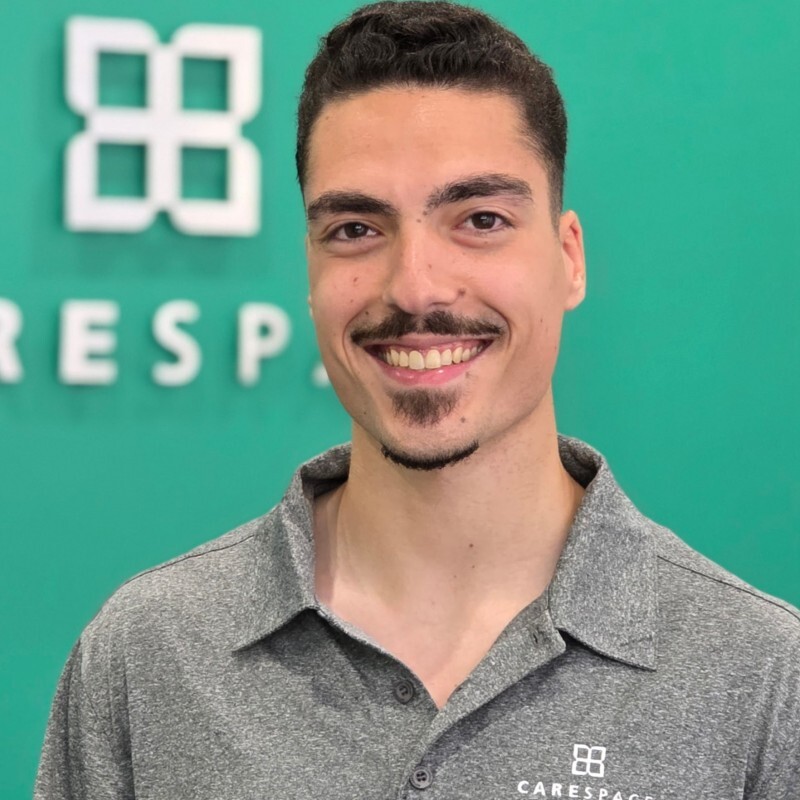
Osteopathic Manual Practitioner
Kitchener - Westmount East
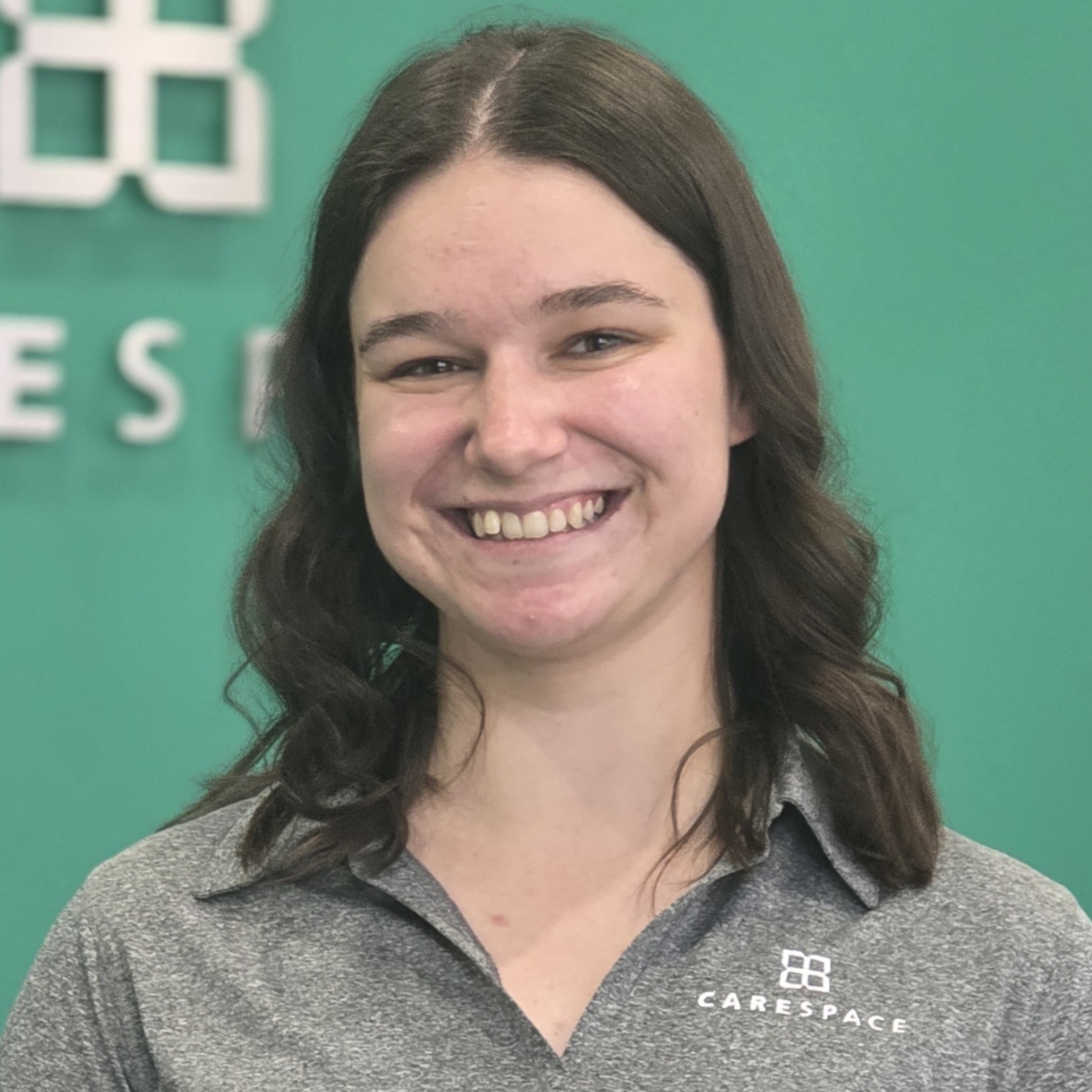
Osteopathic Manual Practitioner
Kitchener – Fischer-Hallman
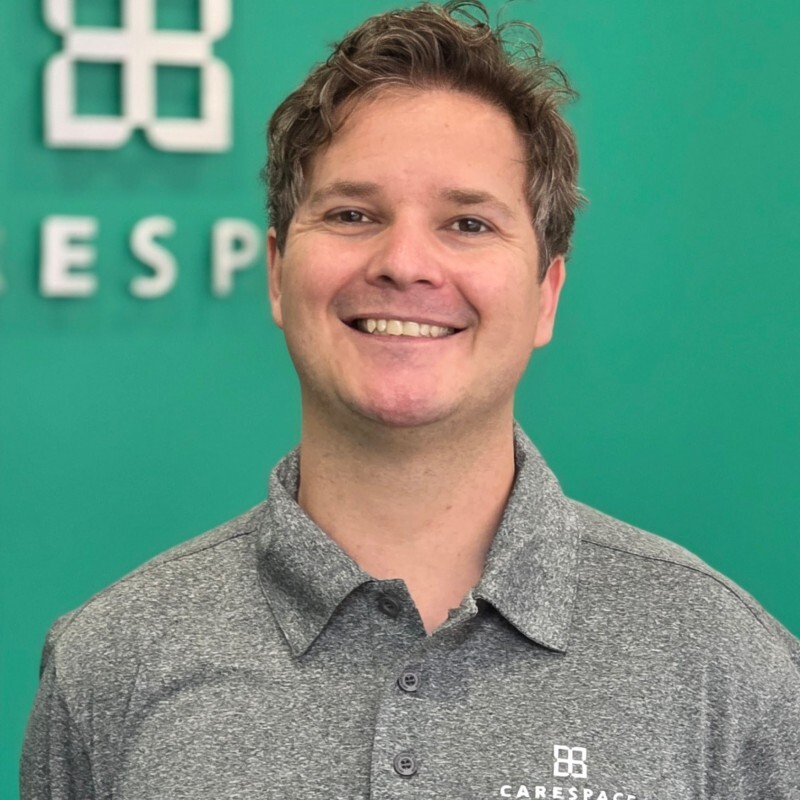
Osteopathic Manual Practitioner
Kitchener – Fischer-Hallman
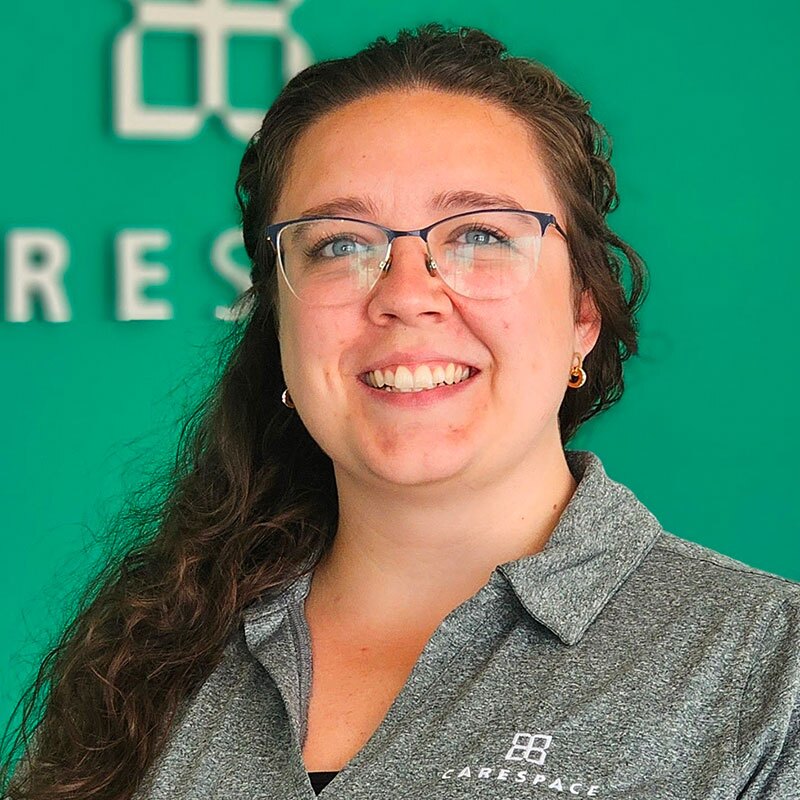
Osteopathic Manual Practitioner
Kitchener - Victoria North

Osteopathic Manual Practitioner
Assistant Director
Kitchener - Westmount East
Waterloo Osteopaths
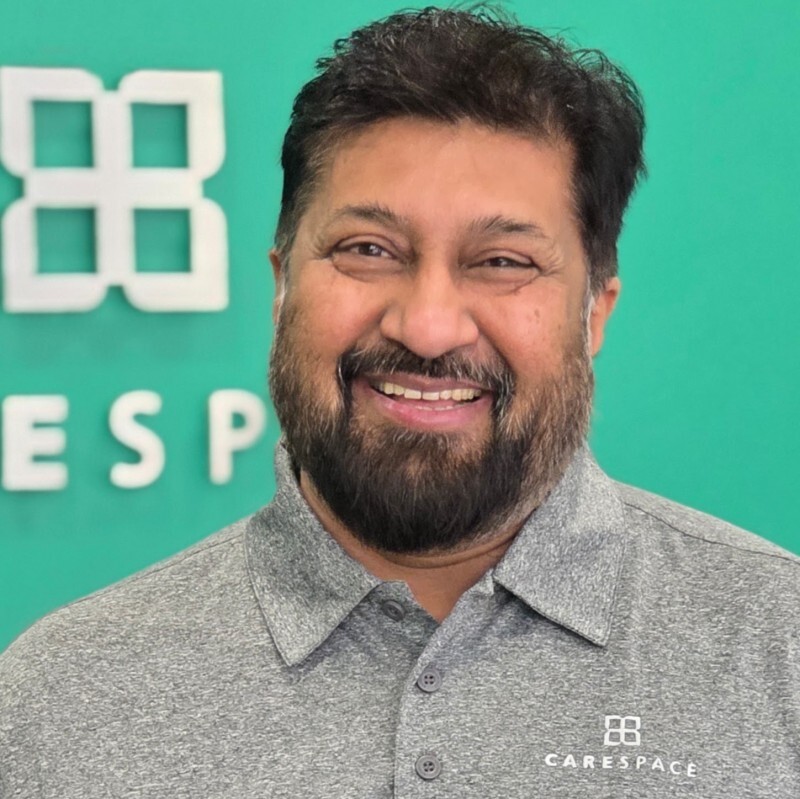
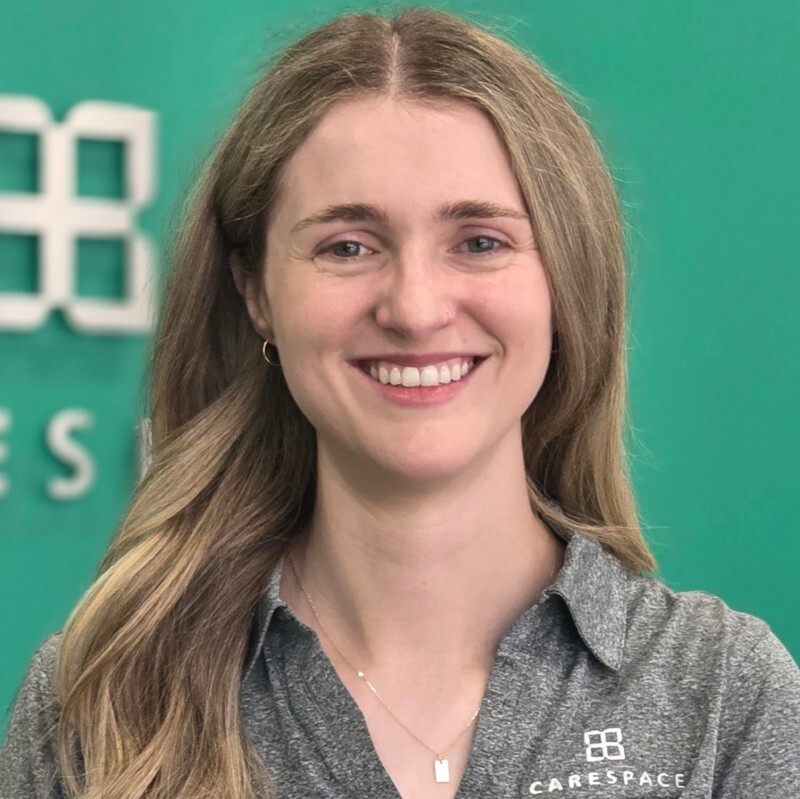
Osteopathic Manual Practitioner
Waterloo - Uptown Waterloo
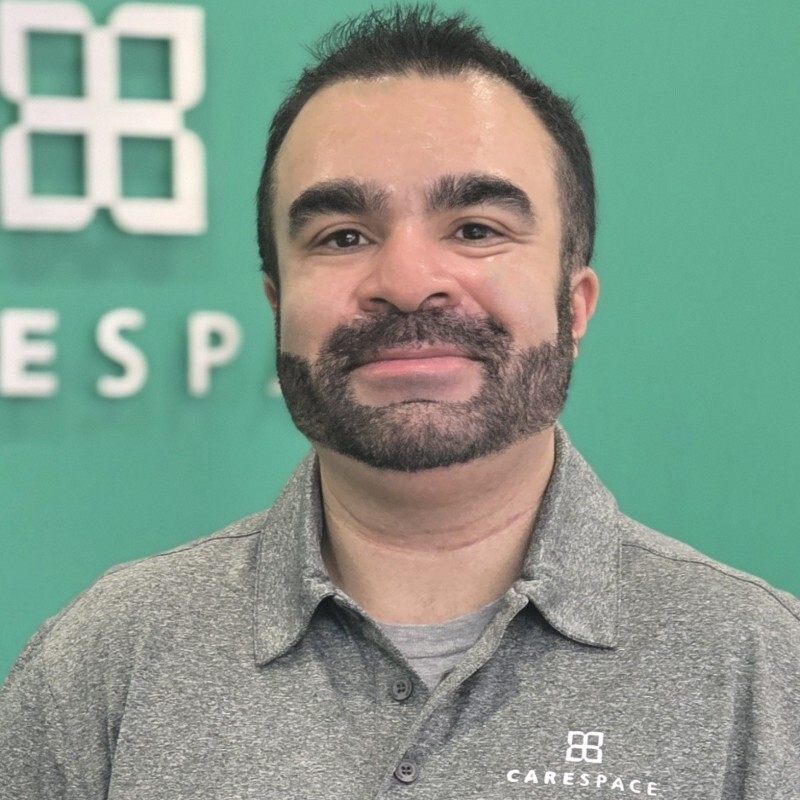
Osteopathic Manual Practitioner
Waterloo - Weber North
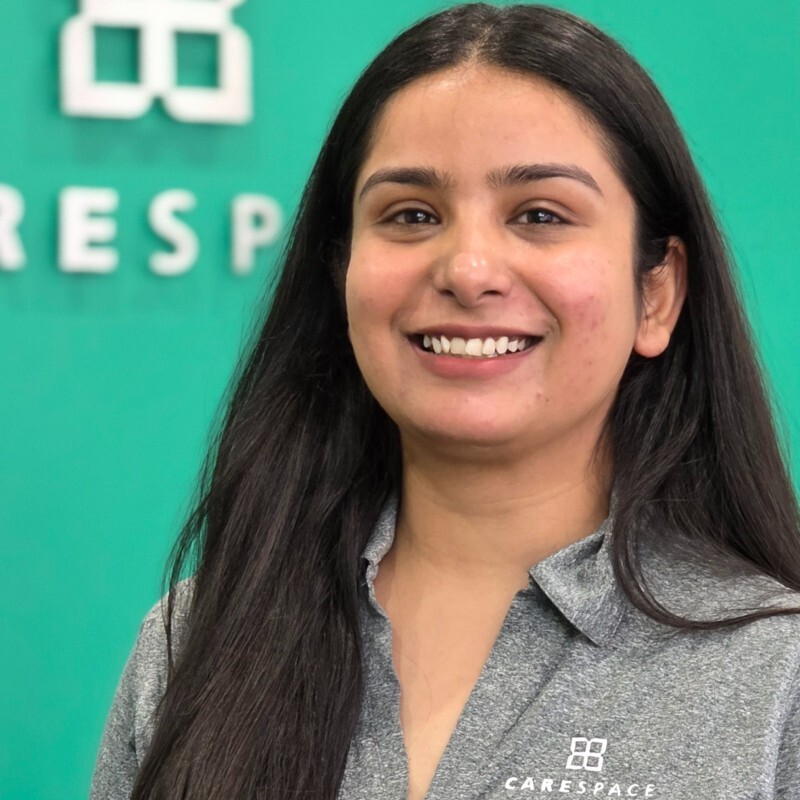
Osteopathic Manual Practitioner
Waterloo - Uptown Waterloo
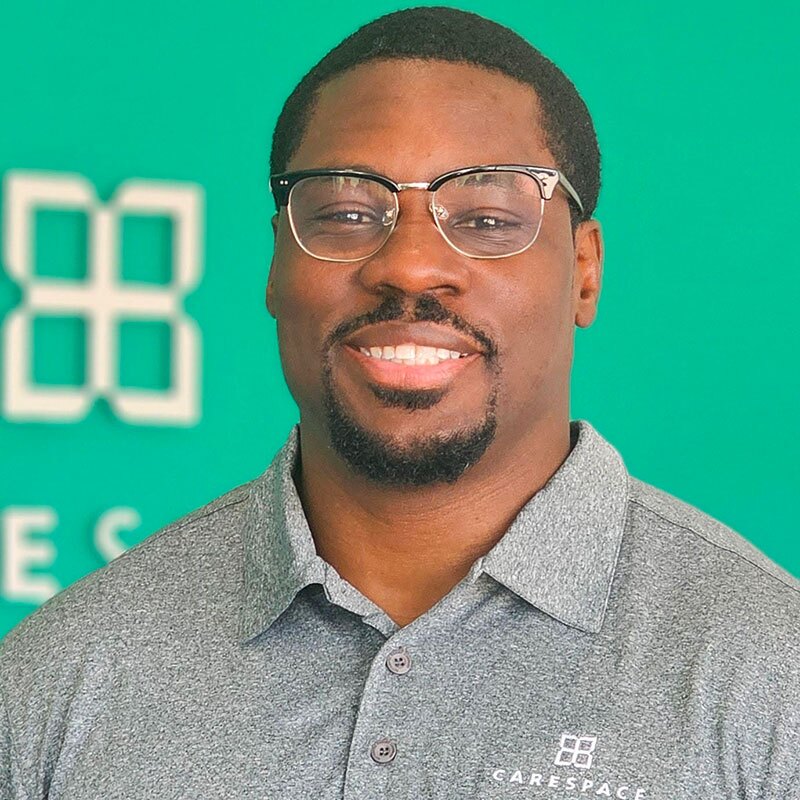
Osteopathic Manual Practitioner
Waterloo - Uptown Waterloo
Cambridge Osteopaths
No data was found
Prefer to talk to someone? Our live answer reception team is happy to help. Please call us at (519) 208-2273.
What Happens at Your First Osteopathy Appointment
Your first visit is 60 minutes and follows the same five steps with every CARESPACE osteopath.
1. A Full Health History
Your practitioner spends real time on your history: current symptoms, past injuries, surgeries, illnesses and periods of significant stress, going back to childhood. An old ankle sprain or a decades-old fall frequently turns out to be the origin of a current complaint.
2. A Whole-Body Hands-On Assessment
You will be asked to stand and move so your practitioner can watch how your body loads and compensates. Most of the assessment is done on the treatment table using palpation, a trained sense of touch, to evaluate joints, muscles, fascia and organ mobility from your feet to your head. You remain clothed in comfortable, loose-fitting clothing throughout.
3. A Clear Explanation of What They Found
Your osteopath explains, in plain language, how the restrictions they found connect to the symptom that brought you in. You should leave understanding why your shoulder hurts, not just that it does.
4. Treatment on the Same Day
Treatment begins during your first appointment. Techniques are gentle and adapted to you: soft tissue work, myofascial release, muscle energy technique, articulation, strain-counterstrain, visceral or cranial work. Most people describe it as gentle pressure and movement rather than anything forceful.
5. A Plan You Can Follow
You leave with a written plan: how many visits are likely, how far apart, and anything simple you can do between appointments. Your osteopath will tell you if osteopathy is not the right treatment for what you have.
Why Would Someone See an Osteopath?
People see an osteopath when pain keeps returning, when the cause is unclear, or when treatment aimed at the painful area has not held. Osteopathy is most useful for persistent back, neck, hip and shoulder pain, recurring headaches, jaw pain, recovery after injury or surgery, pregnancy-related pain, and stiffness that limits what you can do.
Because an osteopath assesses the whole body, it is also a reasonable option when your symptom moves, when it does not match a clear diagnosis, or when several therapies have each helped a little without resolving it.
Is It Better to See an Osteopath or a Chiropractor?
Neither is better in general; they differ in scope and technique. Chiropractic focuses primarily on the spine and nervous system, and its main tool is the high-velocity spinal adjustment. Osteopathy assesses the whole body, including fascia, organs and the craniosacral system, and uses mostly gentle techniques rather than thrust adjustments.
Choose a chiropractor if you want targeted spinal treatment and are comfortable with adjustment. Choose an osteopath if you prefer gentler hands-on work, if your symptoms are diffuse or recurring, or if the cause has not been identified. At CARESPACE you can see both, and they will coordinate rather than duplicate.
Can an Osteopath Help With Headaches?
Osteopathic treatment is used for tension-type headaches and migraines, usually by addressing restrictions in the neck, jaw, upper ribs and cranial structures. A 2017 systematic review found preliminary low-level evidence that osteopathic manipulative treatment may reduce the number of headache episodes per month and reduce medication use.
The evidence base is still developing, so an osteopath should tell you honestly whether your headache pattern is likely to respond. Sudden, severe or unusual headaches need medical assessment first.
What Is Osteopathy?
Osteopathy is a system of manual therapy based on the principle that the body works as a single connected unit and can heal itself when restrictions are removed. An osteopath uses hands-on assessment and treatment to restore movement in joints, muscles, fascia and connective tissue, so that the body functions better as a whole.
The Four Principles of Osteopathy
The body is a unit of body, mind and spirit. The body is capable of self-regulation and self-healing. Structure and function are reciprocally interrelated. Effective treatment applies these three principles to the individual rather than following a protocol for a diagnosis.
Techniques Your Osteopath May Use
Soft tissue manipulation to release muscle tension. Myofascial release, using sustained gentle pressure on connective tissue. Muscle energy technique, where you contract a muscle against resistance to restore joint range. Articulatory technique, using rhythmic movement through a joint’s range. Strain-counterstrain, positioning the body to release a spasm indirectly. Visceral manipulation for restrictions around organs. Cranial osteopathy, a very gentle technique used for headaches, jaw pain and concussion recovery.
Osteopath or Osteopathic Manual Practitioner? What the Titles Mean in Ontario
In Ontario, ‘Osteopath’ is a protected title under the Medicine Act, 1991, reserved for Osteopathic Physicians who hold a D.O. from an accredited United States medical school and are registered with the College of Physicians and Surgeons of Ontario. Very few practise in Ontario.
Almost everyone practising osteopathy in Ontario, including every practitioner at CARESPACE, is an Osteopathic Manual Practitioner. Osteopathic Manual Practitioners are specialists in manual assessment and treatment. They are not physicians and do not prescribe medication or perform surgery.
Manual osteopathy is not currently a regulated health profession in Ontario, so training standards vary between schools. Professional associations including the Ontario Association of Osteopathic Manual Practitioners and Osteopathy Canada set voluntary standards of 4,200 education hours and 1,000 supervised clinical hours. Ask any practitioner you are considering which association they belong to.
What the Research Says About Osteopathy
Osteopathy has a growing but uneven evidence base. Here is what the research currently supports, and where it does not.
Low Back Pain
The strongest evidence. A systematic review and meta-analysis of randomised controlled trials found that osteopathic manipulative treatment significantly reduces low back pain beyond placebo, with effects persisting at least three months. Cochrane reviews of spinal manipulative therapy find it comparable to other recommended treatments such as exercise and physiotherapy for chronic low back pain.
Neck Pain
A 2021 single-blinded randomised controlled trial found osteopathic manipulative treatment safe and effective for reducing pain and disability in chronic neck pain, with additional improvements reported in sleep and fatigue.
Headaches
Developing. A 2017 systematic review found preliminary low-level evidence for reduced headache frequency and medication use.
Safety
Osteopathic manual treatment is considered a low-risk therapy. The most common side effect is mild soreness or stiffness for a day or two afterwards. Serious adverse events are very rare when treatment is delivered by a properly trained practitioner.
Does OHIP Cover Osteopathy in Ontario?
No. OHIP does not cover osteopathic manual treatment in Ontario. Osteopathy is covered by most extended health benefit plans, provided your practitioner belongs to a recognised professional association, which every CARESPACE osteopath does.
You do not need a physician referral. You pay at your appointment and we give you an itemized receipt with everything your insurer needs to reimburse you.
Osteopathy FAQ
Do I need a referral for an osteopath?
No. You can book directly with any CARESPACE osteopath.
Does osteopathic treatment hurt?
Generally no. Most techniques are gentle, and your practitioner works within your comfort level throughout. Mild soreness for a day or two afterwards is common and normal, similar to how you might feel after a workout.
What should I wear to an osteopathy appointment?
Comfortable, loose-fitting clothing you can move in. You stay clothed during assessment and treatment.
Is osteopathy safe during pregnancy?
Yes. Osteopathic techniques are gentle and adapted to each stage of pregnancy, and are commonly used for back pain, pelvic pain and sciatica during pregnancy.
How many appointments will I need?
It depends on how long you have had the problem and what is driving it. Your osteopath gives you an expected number of visits at your first appointment and reassesses as you go.
Can osteopathy help with digestive problems?
Sometimes. The digestive organs are supported by fascia and ligaments and need to move freely. An osteopath may use gentle visceral techniques to address restrictions around them, which can help symptoms such as bloating. This complements medical care rather than replacing it.
Can I see an osteopath and a physiotherapist at the same time?
Yes, and at CARESPACE they will coordinate. Your osteopath addresses the underlying restriction while your physiotherapist rebuilds strength and movement, working from the same assessment findings.
Book an Osteopath in Kitchener, Waterloo or Cambridge
Choose your practitioner and your clinic, and book online in under a minute. Open seven days a week, weekdays 8am–8pm and weekends 8am–6pm. No referral needed, and you will get an insurance receipt at your appointment.
Choose Your Osteopath or call (519) 208-2273 and speak to our reception team.
Osteopath Articles
Explore more expert tips and insights on how osteopaths can support your mobility, recovery, and overall wellness. See all osteopathy articles.