
Finding time for exercise can feel challenging in a busy schedule. Between school, work, commuting, and family responsibilities, many people struggle to fit in long gym sessions or structured workouts. Fortunately, research suggests that shorter bursts of movement—often called “exercise snacks” or mini workouts—can still provide meaningful health benefits. Rather than requiring a full hour at the gym, exercise snacks involve brief periods of physical activity, personal training exercises, or guided movement strategies commonly used in kinesiology spread throughout the day. These mini workouts can help improve fitness, energy levels, cardiovascular health, and overall well-being while making exercise feel more manageable and accessible.
Exercise snacks are short bouts of physical activity that typically last anywhere from 30 seconds to 10 minutes. They are often performed multiple times throughout the day instead of in one long workout session. Examples include climbing stairs for a few minutes, doing bodyweight squats during a study break, taking a brisk walk around the block, or completing a quick circuit of jumping jacks and push-ups. Research commonly defines exercise snacks as brief, structured periods of moderate-to-vigorous activity performed several times per day (Islam et al., 2022).
One of the biggest advantages of exercise snacks is their convenience. Many people avoid exercise because they feel they do not have enough uninterrupted time for a full workout. Mini workouts remove this barrier by allowing movement to fit naturally into everyday routines. Even two to five minutes of exercise between classes, meetings, or homework sessions can contribute to overall physical activity levels. According to the Cleveland Clinic (2023), these short bursts of movement are especially useful for reducing long periods of sitting, which are associated with increased risks of cardiovascular disease, obesity, and poor metabolic health.
Exercise snacks can also improve cardiovascular fitness. A recent systematic review and meta-analysis examining inactive adults found that exercise snacks significantly improved cardiorespiratory fitness and muscular endurance (Jiang et al., 2025). Participants performed short bouts of exercise lasting five minutes or less several times per day over multiple weeks and still experienced measurable fitness improvements. This highlights an important point: exercise does not always need to be lengthy to be effective. Consistency and frequency can be just as valuable.
Another benefit of mini workouts is improved blood sugar regulation and metabolic health. Prolonged sitting can negatively affect blood glucose levels, circulation, and insulin sensitivity. Brief activity breaks throughout the day help interrupt sedentary time and stimulate muscle activity, which improves the body’s ability to regulate blood sugar. Research has shown that exercise snacks may reduce post-meal blood glucose spikes and improve cardiometabolic health markers (Islam et al., 2022). This can be particularly beneficial for individuals who spend large portions of the day sitting at desks or studying.
Mini workouts may also have positive mental health and cognitive benefits. Short bursts of movement can increase blood flow to the brain, improve focus, and boost mood. Many people notice feeling more energized and alert after even a few minutes of activity. Emerging research suggests that exercise snacks may improve cognitive performance, reduce fatigue, and enhance overall mental well-being (Medical News Today, 2024). For students or office workers, adding small movement breaks during the day may help improve concentration and productivity.
Another reason exercise snacks are effective is that they can feel less intimidating than traditional exercise programs. Long workouts may seem overwhelming for beginners or people returning to exercise after time away. Mini workouts provide a simple and approachable starting point. Since these sessions are short, they are often easier to stick with consistently. High adherence rates have been observed in exercise snack research, suggesting people are more likely to maintain this style of activity long-term (Jiang et al., 2025).
There are many ways to incorporate exercise snacks into daily life. Some examples include:
- Walking briskly for five minutes between classes or meetings
- Climbing stairs instead of using the elevator
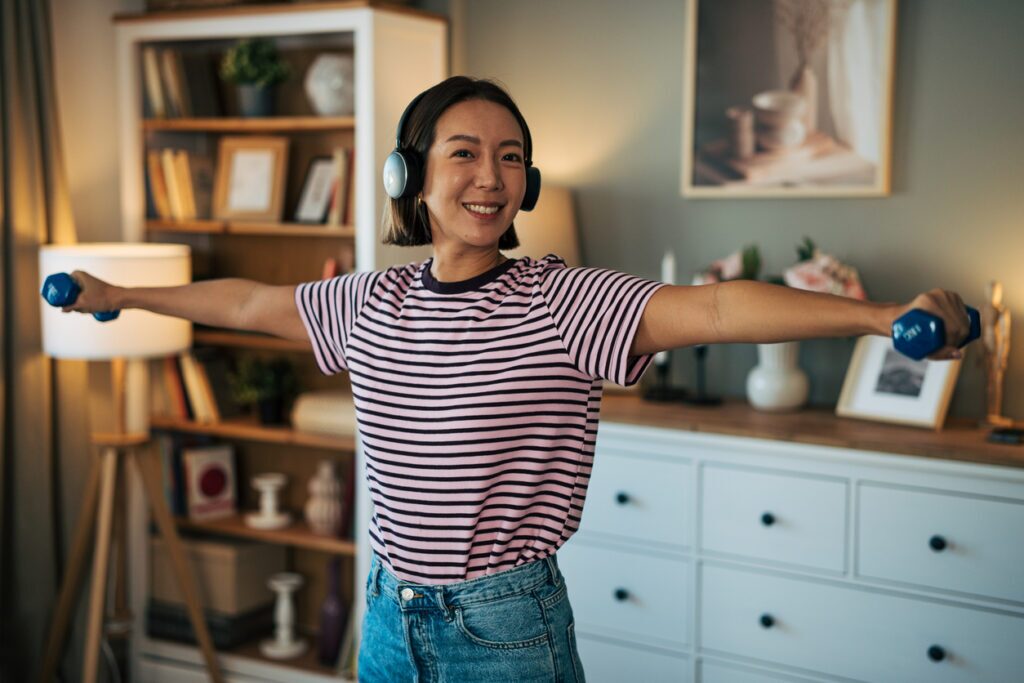
- Performing bodyweight exercises like squats, lunges, or push-ups during breaks
- Doing jumping jacks or jogging in place for one minute
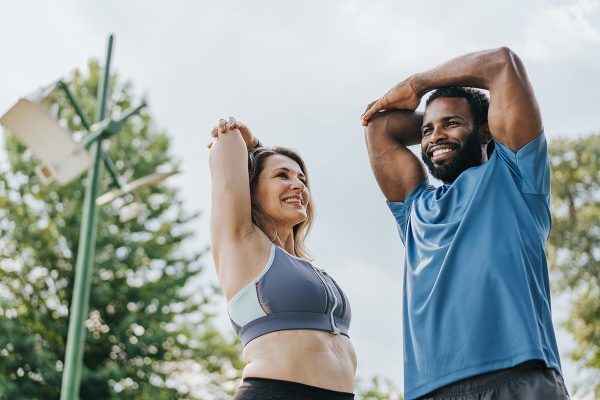
- Stretching or practicing mobility exercises while studying
- Taking short movement breaks during screen time
The best exercise snacks are the ones that fit naturally into a person’s lifestyle and can be performed consistently. They do not require expensive equipment or a gym membership, making them accessible for many individuals.
While exercise snacks are beneficial, they are not necessarily meant to completely replace longer workouts. Structured strength training, aerobic exercise, and recreational sports still offer additional physical and performance benefits. However, mini workouts are an excellent strategy for increasing overall movement, reducing sedentary behavior, and supporting health when time is limited.
How We Can Help
Working with a kinesiologist or exercise professional can help you build realistic and sustainable movement habits that fit your schedule. Exercise snacks can be customized based on your goals, fitness level, and daily routine to help improve consistency and long-term success.
At CARESPACE Health+Wellness, kinesiologists can help design personalized exercise programs that include both structured training and practical movement strategies like exercise snacks to support your overall health and fitness goals.
References
Islam, H., Gibala, M. J., & Little, J. P. (2022). Exercise snacks: A novel strategy to improve cardiometabolic health. Exercise and Sport Sciences Reviews, 50(1), 31–37. https://doi.org/10.1249/JES.0000000000000275
Jiang, Y., et al. (2025). Effect of exercise snacks on fitness and cardiometabolic health in physically inactive individuals: Systematic review and meta-analysis. British Journal of Sports Medicine. https://pubmed.ncbi.nlm.nih.gov/41057224/
Medical News Today. (2024). Exercise snacks: Definition, benefits, and more. https://www.medicalnewstoday.com/articles/exercise-snacks
Cleveland Clinic. (2023). How to work “exercise snacks” into your day. https://health.clevelandclinic.org/exercise-snacks/