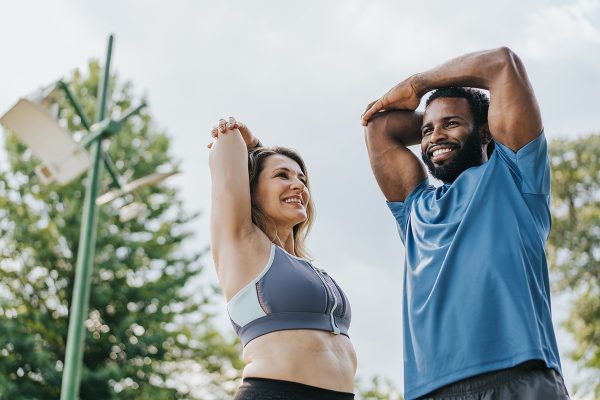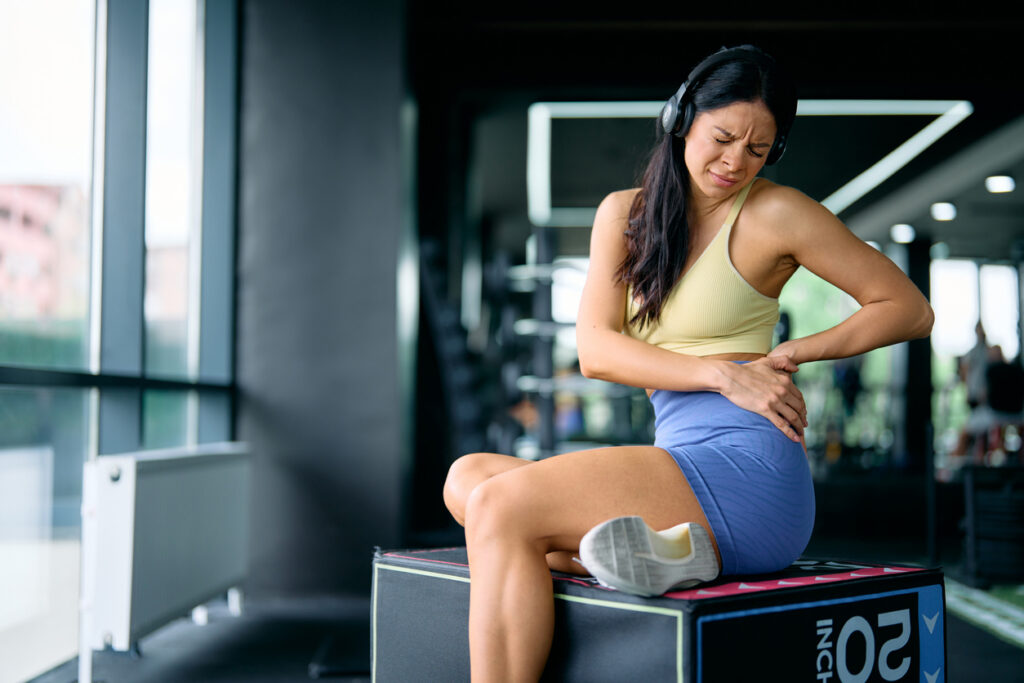

Hip tightness is a common complaint among people who spend long hours sitting, participate in repetitive exercise patterns, or experience mobility restrictions from stress, previous injuries, or inactivity. Tight hips can contribute to discomfort in the lower back, altered walking mechanics, reduced athletic performance, and difficulty performing everyday movements such as bending or climbing stairs (Page et al., 2012). While general advice often includes stretching or squats, addressing hip tightness effectively usually requires a more targeted approach involving mobility, stability, and strength training.
The hips are complex joints surrounded by multiple muscles including the hip flexors, glutes, adductors, abductors, and deep rotators. Improving hip mobility is not always about becoming more flexible—it often involves improving control and strength through greater ranges of motion. Here are several lesser-known but effective exercises that may help reduce hip tightness and improve movement quality.
1. 90/90 Hip Rotations
The 90/90 position targets internal and external hip rotation, two movements often limited in people experiencing hip stiffness. Reduced rotational mobility has been associated with altered movement mechanics and increased injury risk (Lewis et al., 2015).
How to do it:
- Sit with one leg in front and one leg behind, both bent to approximately 90 degrees.
- Keep your chest upright.
- Slowly rotate between sides without using your hands if possible.
- Perform 6–10 repetitions per side.
Benefits:
- Improves hip rotational mobility
- Builds active control through end ranges
- Helps identify asymmetries between hips
Unlike passive stretching, active rotational work teaches the nervous system to use newly available mobility.
2. Hip Airplanes
Hip airplanes are a balance and stability exercise targeting the gluteus medius and deep hip stabilizers while challenging rotational control.
How to do it:
- Stand on one leg with a slight bend in the knee.
- Hinge forward at the hips while extending the opposite leg behind.
- Rotate the pelvis open and closed slowly while maintaining balance.
- Repeat 5–8 times each side.
Benefits:
- Enhances hip stability
- Improves pelvic control
- Develops strength in underused stabilizing muscles
Poor hip stability can contribute to feelings of tightness because surrounding muscles compensate by remaining guarded or overactive.
3. Copenhagen Side Plank (Modified)
Although commonly used in athletic settings, modified Copenhagen planks strengthen the adductors (inner thigh muscles), which play an important role in hip mobility and pelvic stability.
How to do it:
- Support yourself on one forearm.
- Place the top knee on a bench or chair while keeping the bottom leg underneath.
- Lift hips and hold for 10–20 seconds.
- Repeat 2–4 times each side.
Research suggests stronger adductors may improve lower-body function and reduce injury risk (Harøy et al., 2019).
Benefits:
- Builds adductor strength
- Supports hip stability
- Improves control during walking and running
4. Banded Hip Distractions
Joint mobility restrictions can sometimes contribute to sensations of stiffness. Resistance bands may provide temporary decompression and improve movement quality.
How to do it:
- Secure a thick resistance band low to the ground.
- Loop it around the upper thigh close to the hip crease.
- Step away to create tension and move into lunges or gentle hip circles.
Benefits:
- May improve comfort during movement
- Encourages exploration of hip range of motion
- Useful before workouts or prolonged sitting
These should feel relieving rather than painful.
5. Elevated Pigeon Lift-Offs
Traditional pigeon stretches are passive. Adding lift-offs introduces active mobility training.
How to do it:
- Assume a pigeon stretch position with the front leg elevated on a cushion or bench.
- Keeping posture upright, attempt to lift the front shin slightly from the surface.
- Hold 2–3 seconds and repeat.
Benefits:
- Improves active hip external rotation
- Builds strength at end ranges
- Encourages long-term mobility gains
Active mobility tends to produce more sustainable improvements than passive stretching alone (Behm et al., 2016).
6. Reverse Step-Through Lunges
This movement combines balance, hip extension, and mobility while challenging multiple planes of motion.
How to do it:
- Step backward into a reverse lunge.
- Drive the back knee upward and across the body before returning.
- Perform slowly for 8–12 repetitions each side.
Benefits:
- Opens hip flexors dynamically
- Improves coordination
- Strengthens glutes and stabilizers
Dynamic movements often transfer better to daily activities than static stretches.
Why Strength Matters for Tight Hips
Many people assume tight hips mean they simply need more stretching. However, research increasingly shows mobility limitations may stem from insufficient strength and motor control in available ranges rather than tissue shortening alone (Behm et al., 2016). Building strength through controlled movement patterns can help the body feel safer using greater motion, reducing perceived stiffness over time.
Improving hip function also involves addressing prolonged sitting, repetitive exercise patterns, and overall movement variability throughout the day. Standing more frequently, walking, and incorporating multidirectional movements can support healthier hips alongside targeted exercises.
Consistency is more important than intensity. Performing a few mobility and strengthening exercises several times weekly may produce better results than occasional long stretching sessions.
How We Can Help
As a Kinesiologist at CARESPACE Health+Wellness, I can help assess movement patterns contributing to hip tightness and create a personalized exercise program focused on mobility, strength, and long-term function. Whether your goal is reducing discomfort, improving workouts, or moving more comfortably day to day, targeted exercise strategies can make a significant difference.
References
Behm, D. G., Blazevich, A. J., Kay, A. D., & McHugh, M. (2016). Acute effects of muscle stretching on physical performance, range of motion, and injury incidence in healthy active individuals: A systematic review. Applied Physiology, Nutrition, and Metabolism, 41(1), 1–11. https://doi.org/10.1139/apnm-2015-0235
Harøy, J., Clarsen, B., Thorborg, K., Hölmich, P., Bahr, R., & Andersen, T. E. (2019). Groin problems in male soccer players are more common than previously reported. The American Journal of Sports Medicine, 47(6), 1304–1312. https://doi.org/10.1177/0363546519838170
Lewis, C. L., Sahrmann, S. A., & Moran, D. W. (2015). Anterior hip joint force increases with hip extension, decreased gluteal force, or decreased iliopsoas force. Journal of Biomechanics, 48(2), 339–345. https://doi.org/10.1016/j.jbiomech.2014.11.041
Page, P., Frank, C. C., & Lardner, R. (2012). Assessment and treatment of muscle imbalance: The Janda approach. Human Kinetics.