
Speech Pathology
Speech pathology is a regulated healthcare profession focused on assessing and treating communication and swallowing disorders. Speech-language pathologists use evidence-based techniques to support speech, language, voice, fluency, and cognitive-communication skills, helping improve clarity, confidence, and overall function. CARESPACE provides speech therapy services across Waterloo Region, including clinics in Kitchener, Waterloo, and Cambridge.
Call (519) 208-2273 or book online today.
Is Speech Therapy Right for You?
Speech therapy can help individuals of all ages improve how they communicate, understand language, and function in daily life. Whether challenges are recent or long-standing, the right assessment and treatment can make a meaningful difference.
You may benefit from working with a speech-language pathologist if you are experiencing:
- Difficulty speaking clearly or being understood
- Trouble finding words or expressing thoughts
- Delayed speech or language development (children)
- Voice issues such as hoarseness, strain, or fatigue
- Stuttering or disruptions in speech flow
- Difficulty swallowing or discomfort when eating
CARESPACE provides personalized, evidence-based speech therapy designed to improve communication, confidence, and everyday function.
Thousands of people have chosen CARESPACE for care that delivers real results.
How a Speech-Language Pathologist Helps You Communicate at Your Best
Seeing a speech-language pathologist is about more than just addressing specific challenges; it’s about improving how you communicate, connect, and function in everyday life. By focusing on the complex processes behind speech, language, and swallowing, a speech-language pathologist delivers meaningful, life-enhancing outcomes that help you express yourself with confidence.
Improving Communication & Confidence
Difficulty with speech clarity, language understanding, or expression can impact school, work, and relationships. Speech-language pathologists assess and address the underlying causes of these challenges, whether related to articulation, language development, voice, or fluency. Through targeted, evidence-based strategies, they help improve how you speak, understand, and interact—building confidence in both personal and professional settings.
Supporting Recovery & Rehabilitation
Speech therapy plays a key role in recovery following injury or medical events such as stroke, concussion, or neurological conditions. A speech-language pathologist works to restore communication, cognitive-communication skills, and swallowing function where needed. With structured therapy and personalized exercises, they help you regain abilities, adapt to changes, and return to daily activities more effectively.
Building Long-Term Skills & Independence
Strong communication skills are foundational to independence and long-term success. Speech therapy supports individuals of all ages—from children developing language skills to adults maintaining cognitive and communication function. By addressing challenges early and reinforcing effective strategies, speech-language pathologists help prevent ongoing difficulties and support lifelong communication skills.
Enhancing Daily Function & Quality of Life
Clear communication impacts nearly every aspect of life—from social interactions to academic and career success. A speech-language pathologist helps you communicate more effectively, understand others more easily, and navigate everyday situations with greater ease. Whether your goal is to speak more clearly, improve comprehension, or feel more confident expressing yourself, speech therapy helps you function at your best.
What Is Speech Therapy? A Modern, Evidence-Based Approach
Speech therapy has evolved into a modern, evidence-based healthcare profession grounded in research, clinical expertise, and high professional standards. Understanding what speech therapy is, who provides it, and what the process involves is the first step toward making informed decisions about communication and swallowing health.
The Science of Communication and Function
Speech pathology focuses on the complex systems involved in communication and swallowing—integrating the brain, muscles, and structures responsible for speech, language, voice, fluency, and cognition. When any part of this system is disrupted, it can affect how clearly you speak, how well you understand others, or how safely you swallow. Speech-language pathologists assess these underlying factors and use targeted, evidence-based techniques to improve function, restore abilities, and support overall communication.
A Regulated Health Profession in Ontario
In Ontario, speech-language pathologists are regulated healthcare professionals, meaning they must meet strict standards to practice safely and effectively. They are governed by the College of Audiologists and Speech-Language Pathologists of Ontario (CASLPO), which ensures public protection and professional accountability.
The path to becoming a speech-language pathologist includes:
- Advanced University Education: Completion of a relevant undergraduate degree followed by a master’s degree in speech-language pathology from an accredited program.
- Supervised Clinical Training: Extensive hands-on clinical placements to develop practical assessment and treatment skills across a range of populations and conditions.
- Registration with CASLPO: Professionals must meet provincial registration requirements, including demonstrating competency and adherence to ethical standards.
- Ongoing Professional Development: Speech-language pathologists are required to continue learning and stay current with evolving research and best practices throughout their careers.
These requirements ensure that you receive care from a knowledgeable, qualified, and accountable healthcare provider.
Common Speech Therapy Approaches and Techniques
A speech-language pathologist’s goal is to improve communication and swallowing function in a way that is practical and meaningful for your daily life. Treatment is always personalized and may include a combination of approaches:
- Speech and Language Therapy: Targeted exercises and strategies to improve articulation, language comprehension, expression, and overall communication effectiveness.
- Fluency and Voice Therapy: Techniques to support smoother speech, reduce stuttering, and improve vocal quality and endurance.
- Cognitive-Communication Therapy: Support for attention, memory, problem-solving, and executive function—especially following concussion, stroke, or neurological conditions.
- Swallowing (Dysphagia) Therapy: Assessment and treatment strategies to improve swallowing safety and efficiency, when needed.
- Home Practice and Skill Reinforcement: Guided exercises and strategies to support progress outside of sessions and build long-term improvement.
- Education and Strategy Coaching: Practical guidance for communication in real-world settings, including school, work, and social environments.
What to Expect from Speech Therapy
A common question is what speech therapy actually feels like and how progress is measured. Unlike some hands-on therapies, speech therapy is interactive and goal-oriented. Sessions typically involve structured activities, guided practice, and real-life communication strategies tailored to your needs.
Progress is not based on a single moment or quick fix—it’s measured through gradual, meaningful improvements in how you communicate and function day to day. With consistent support and practice, speech therapy helps build lasting skills that improve confidence, independence, and quality of life.
When to Consider Seeing a Speech Pathologist
Speech therapy can be beneficial for a wide range of communication and swallowing challenges. If you are experiencing any of the following signs or symptoms, a comprehensive assessment with a speech-language pathologist may help identify the cause and provide effective support.
- Difficulty pronouncing words clearly or being understood by others
- Delayed speech or language development in children
- Trouble understanding language or following conversations
- Stuttering or disruptions in the flow of speech
- Voice issues such as hoarseness, strain, or vocal fatigue
- Difficulty finding words or expressing thoughts clearly
- Challenges with reading, writing, or language-based learning
- Communication changes following a concussion, stroke, or neurological condition
- Difficulty with memory, attention, or problem-solving affecting communication
- Trouble swallowing (e.g., coughing or choking when eating or drinking)
- A desire to improve communication confidence in social, academic, or professional settings
The CARESPACE Difference: A Higher Standard of Speech Therapy
At CARESPACE, speech pathology is not just a service; it’s a philosophy of integrated, client-centered care. We’ve built a model that goes beyond traditional speech therapy approaches to deliver a higher standard of treatment—focused on meaningful progress, real-world results, and helping you communicate with confidence.
Evidence-Based Practice
We don’t guess; we assess and measure. Our clinical decisions are guided by current research and proven speech therapy methods. CARESPACE speech-language pathologists incorporate evidence from leading clinical guidelines into your care plan, ensuring your treatment is safe, effective, and tailored to your specific communication or swallowing needs.
Multidisciplinary Coordinated Care
Communication challenges are often connected to other aspects of health and function. At CARESPACE, your speech-language pathologist works as part of a collaborative care team. They may coordinate with other practitioners to support areas like cognitive function, recovery, or overall wellness. This integrated approach ensures every aspect of your care is aligned for better, more lasting outcomes.
Personalized, Client-Focused Plans
Effective care starts with understanding your goals. Your speech pathology plan is built around your unique needs—whether that’s supporting development, improving communication, or helping you regain function. We focus on practical, real-world improvements, creating a clear path toward results that matter to you.
Accessible and Convenient
Getting started with speech pathology is simple. No referral is required to book an appointment. We provide detailed receipts after each session for easy insurance submission, and offer flexible options including virtual care so you can access support wherever it’s most convenient.
Conditions Treated by a Speech Pathologist
Our speech-language pathologists are trained to assess, diagnose, and manage a wide range of communication and swallowing disorders. Below is a list of common conditions we support. Each item links to a dedicated resource hub for more detailed information.
- Articulation and Speech Sound Disorders
- Language Delays and Disorders
- Stuttering and Fluency Disorders
- Voice Disorders
- Cognitive-Communication Disorders
- Aphasia
- Apraxia of Speech
- Dysarthria
- Swallowing Disorders (Dysphagia)
- Social (Pragmatic) Communication Disorders
- Autism Spectrum Communication Challenges
- Selective Mutism
- Literacy and Language-Based Learning Difficulties
- Feeding and Swallowing Difficulties
- Neurological Communication Disorders
- Post-Concussion Communication Difficulties
Speech Pathology vs. Other Approaches
Navigating care options for communication and cognitive challenges can be confusing. Understanding the unique role of a speech-language pathologist compared to other professionals can help you make an informed decision. At CARESPACE, we believe the best outcomes often come from combining disciplines to work together in a coordinated, collaborative way.
Speech pathology focuses on the assessment and treatment of communication and swallowing disorders. Speech-language pathologists work with speech clarity, language comprehension and expression, voice, fluency, and cognitive-communication skills. Using evidence-based techniques and structured therapy, this approach is especially effective for challenges such as speech delays, stuttering, voice issues, post-concussion symptoms, and communication changes related to neurological conditions.
Occupational therapy, by contrast, focuses on helping individuals develop or regain the skills needed for daily living and independence. This can include fine motor skills, sensory processing, and cognitive function. Occupational therapists often support children with developmental needs or individuals recovering from injury by improving their ability to perform everyday tasks at home, school, or work.
Psychotherapy addresses emotional, behavioural, and mental health concerns. While it does not directly treat speech or language disorders, it can support individuals experiencing anxiety, social challenges, or confidence issues that impact communication. This makes it a valuable complement to speech pathology, particularly for individuals who feel anxious about speaking or social interaction.
At CARESPACE, we recognize that each approach plays a distinct and valuable role. When combined, speech pathology and related services form a coordinated, client-focused plan that supports stronger communication, improved confidence, and better overall function.
The CARESPACE Advantage: Integrated Care is Better Care
While each discipline is effective on its own, communication challenges often involve multiple factors. A child with delayed speech may also have sensory sensitivities, while an adult recovering from a concussion may experience both cognitive and communication difficulties.
At a traditional clinic, you may need to seek out multiple providers who operate independently. This can lead to fragmented care and slower progress.
The CARESPACE model removes this barrier. Our team collaborates to create a single, unified plan tailored to your needs. Your speech-language pathologist can focus on communication skills, while other practitioners support related areas such as cognitive function, behaviour, or daily living skills. This integrated approach ensures all aspects of your needs are addressed—leading to more efficient, comprehensive, and lasting results.
Speech Pathology Evidence & Outcomes
At CARESPACE, our commitment to you is a commitment to transparency, safety, and results. We believe an informed client is an empowered client. That’s why it’s important to understand the effectiveness, safety, and value of speech pathology through an evidence-based lens.
The Evidence for Speech Pathology
Speech pathology is supported by a strong and growing body of research across a wide range of communication and swallowing disorders. Evidence-based speech therapy interventions are widely recognized as effective for improving function and quality of life.
- Speech & Language Disorders: Research shows that early and targeted intervention can significantly improve speech clarity, language development, and communication skills in both children and adults. Structured, individualized therapy leads to measurable gains in expressive and receptive language abilities.
- Neurological & Cognitive-Communication Conditions: For individuals recovering from stroke, concussion, or neurological conditions, speech pathology plays a critical role in restoring communication, memory, attention, and problem-solving skills. Studies consistently demonstrate improved outcomes with guided therapy compared to no intervention.
- Fluency & Voice Disorders: Evidence-based approaches for stuttering and voice disorders help improve speech fluency, vocal quality, and communication confidence, often with long-term carryover when strategies are consistently applied.
- Swallowing Disorders (Dysphagia): Clinical research supports the role of speech-language pathologists in assessing and managing swallowing safety, reducing risks such as choking or aspiration, and improving overall function.
The Safety and Risk Profile of Speech Pathology
Speech pathology is a safe, non-invasive, and client-centered form of care. Interventions are tailored to each individual and adjusted based on progress and tolerance.
- Minimal Side Effects: Most individuals experience no adverse effects. Some may notice mild fatigue during or after sessions, particularly when working on new or challenging skills.
- Low Risk, High Benefit: Because speech therapy does not involve medication or invasive procedures, it carries very low risk while offering meaningful functional improvements.
- Professional Assessment and Monitoring: CARESPACE speech-language pathologists conduct thorough assessments and continuously monitor progress to ensure therapy remains appropriate, effective, and aligned with your needs.
The Value of Speech Pathology
Speech pathology provides significant long-term value by improving communication, independence, and overall quality of life.
- Improved Daily Function: Stronger communication skills support success in school, work, and social environments, reducing frustration and increasing confidence.
- Early Intervention Benefits: Addressing challenges early can prevent more complex difficulties later, reducing the need for more intensive support over time.
- Support for Lifelong Outcomes: Whether supporting development, recovery, or maintenance of function, speech pathology helps individuals achieve sustainable, meaningful improvements.
At CARESPACE, speech pathology is delivered with a focus on measurable progress, practical outcomes, and helping you communicate at your best.
What to Expect at Your First Speech Pathology Visit
Your first visit to a CARESPACE speech-language pathologist is a comprehensive and supportive experience designed to understand your unique needs and create a clear path forward. We prioritize listening and clear communication so you feel comfortable, informed, and confident in your care.
- A Thorough Conversation: The visit begins with you. Your speech-language pathologist will take the time to understand your history, current challenges, how they impact your daily life, and what you hope to achieve through speech pathology.
- A Comprehensive Assessment: Next, a detailed assessment is completed. This may include evaluating speech clarity, language skills, voice, fluency, cognitive-communication abilities, or swallowing function, depending on your needs. This process helps identify the underlying factors affecting your communication.
- A Clear Explanation and Clinical Impressions: Based on your assessment, your speech-language pathologist will explain their findings in clear, easy-to-understand language. They’ll outline your strengths, areas for improvement, and the recommended approach to support your goals.
- Your First Session: In many cases, you may begin therapy right away. This can include guided exercises, strategies, or techniques tailored to your specific needs—helping you start making progress from day one.
- A Plan for the Future: You’ll leave your first appointment with a clear, personalized plan. This includes recommended session frequency, targeted strategies or exercises to practice at home, and a roadmap for improving your communication and overall function.
Frequently Asked Questions About Seeing a Speech Pathologist
Have questions about speech pathology? Whether you’re wondering how speech therapy works, what to expect at your first visit, or how it can help with communication, swallowing, or cognitive challenges, we’ve got you covered. Below are answers to the most common questions about evidence-based speech pathology at CARESPACE.
What does a speech-language pathologist do?
A speech-language pathologist assesses, diagnoses, and treats communication and swallowing disorders. This includes challenges with speech clarity, language, voice, fluency (stuttering), cognitive-communication, and swallowing. Treatment focuses on improving how you communicate and function in everyday life.
Is speech pathology safe?
Yes, speech pathology is a safe, non-invasive form of care. It does not involve medication or physical manipulation. Therapy is tailored to your needs and progresses at a pace that is appropriate and comfortable for you.
How does speech therapy work?
Speech therapy uses evidence-based techniques to improve communication and swallowing function. Sessions may include structured exercises, guided practice, and practical strategies you can use in daily life. Progress is built over time through consistent practice and support.
What conditions can speech pathology help with?
Speech pathology can help with a wide range of conditions including speech sound disorders, language delays, stuttering, voice issues, cognitive-communication challenges, swallowing disorders, and communication changes related to neurological conditions such as stroke or concussion.
Have questions about safety? Schedule a free first visit and talk directly with a chiropractor.
Do I need a doctor’s referral to see a speech-language pathologist?
No, a referral is not required to start speech pathology at CARESPACE. You can book directly with a speech-language pathologist, who will complete an assessment to determine the most appropriate care plan for you.
How many speech therapy sessions will I need?
The number of sessions varies depending on your goals, the nature of the condition, and how you respond to therapy. Some individuals benefit from short-term support, while others may require ongoing sessions. Your speech-language pathologist will outline a clear plan after your initial assessment.
Is speech pathology covered by insurance?
Many extended health insurance plans provide coverage for speech pathology services. Coverage varies depending on your provider and plan. CARESPACE provides detailed receipts after each visit to make reimbursement simple.
What education and training do speech-language pathologists have?
Speech-language pathologists complete a university undergraduate degree followed by a master’s degree in speech-language pathology. They also complete supervised clinical training and must be registered with the College of Audiologists and Speech-Language Pathologists of Ontario (CASLPO). Ongoing education is required to maintain licensure and stay current with best practices.
Featured CARESPACE Speech Pathologists
No data was found
See all CARESPACE Speech Pathologists
Not sure who to book with? Explore our full speech pathology team and find the right fit for you.
Prefer to talk to someone? Our live answer reception team is happy to help. Please call us at (519) 208-2273.
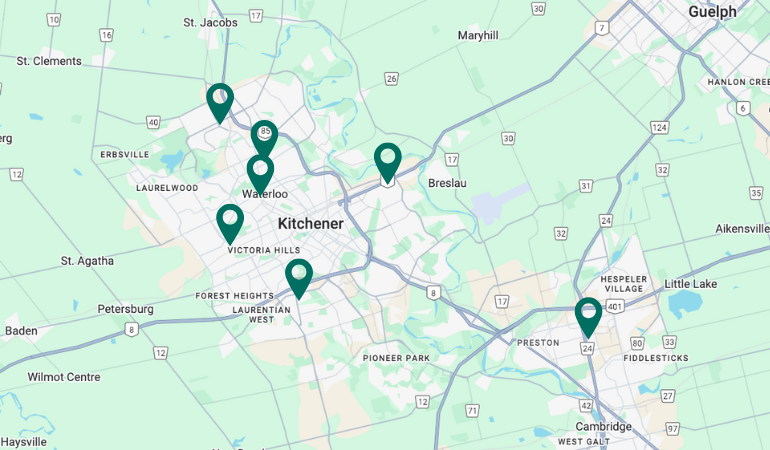
CARESPACE Locations Offering Speech Pathology

Live-answer Reception
Please call us at (519) 208-2273 to talk with our live-answer Reception Team who will be happy to book, reschedule appointments or answer any of your questions, or book online now.
Open 7-days a week!
Monday–Friday: 8 AM–8 PM
Saturday–Sunday: 8 AM–6 PM
Kitchener Speech Pathologist
720 Westmount Rd E, Unit 9, Kitchener, ON N2E 2M6
1373 Victoria Street North, #4A, Kitchener, ON N2B 3R6
851 Fischer-Hallman Rd, Unit 201, Kitchener, ON N2M 5N8
4293 King Street East, Unit 6, Kitchener, ON N2P 2E9
Waterloo Speech Pathologist
564 Weber Street North #12, Waterloo, ON N2L 5C6
75 King St S, #28B, Waterloo, ON N2J 1P2
Cambridge Speech Pathologist
529 Hespeler Road, Unit 1, Cambridge, ON N1R 6J2
Insurance & Payment
Speech pathology services are covered by many extended health plans. At CARESPACE, we make the process simple by providing a detailed receipt after every appointment. This receipt includes all the information needed to submit a claim to your insurance provider for reimbursement. No physician referral is required to begin care, and our pricing is transparent. We are committed to making high-quality care accessible.
Latest Insights on Speech Pathology
See all speech pathology articles and read more expert insights.