Skip to content

Articles for Your Health and Wellness

does long head biceps tendinopathy go away on its own

Does Long Head Biceps Tendinopathy Go Away on Its Own?

Long head biceps tendinopathy commonly known as biceps tendinitis, is a medical condition that causes pain in the shoulder, bicep, and upper arm. The condition is caused by inflammation or damage to the long head of the biceps tendon, which connects the biceps muscle to the shoulder. Many individuals with

Read More
foods to avoid with hand and finger pain

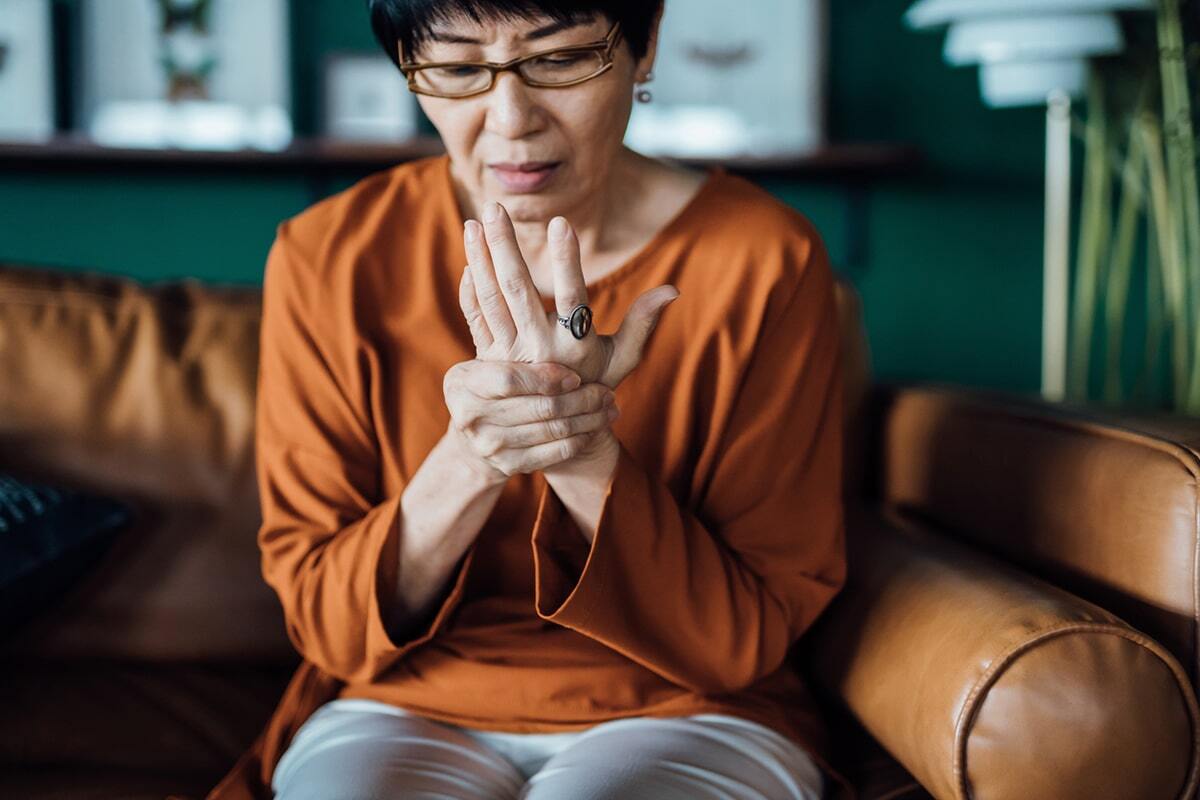
Foods to Avoid with Hand and Finger Pain

For those who suffer from hand and finger pain it’s important to pay attention to your diet as certain foods can exacerbate inflammation and pain. Although physiotherapy and chiropractic care can help your recovery, your diet is a powerful tool in managing your pain levels, and choosing the right foods

Read More
does lower back pain go away on its own?

Does Lower Back Pain Go Away On Its Own?

Lower back pain is a common problem that almost everyone experiences at some point in their life. Sometimes, after a sudden movement or heavy lifting you could experience a sharp pain in your lower back that goes away in a couple of days. However, sometimes the pain continues and you

Read More
foods to avoid with hamstring tendinopathy

Foods to Avoid with Hamstring Tendinopathy

Hamstring tendinopathy is a common condition among athletes especially those who engage in high-powered activities such as jumping and sprinting. While there are a variety of treatments for hamstring tendinopathy, including physiotherapy and chiropractic care, it’s important to pay attention to your diet as well. Your diet plays a vital

Read More
does lumbar disc herniation go away on its own?

Does Lumbar Disc Herniation Go Away On its Own?

Lumbar Disc Herniation, commonly known as “slip-disc,” is a condition that causes lower back and leg pain. It occurs when the cushion-like structure between spinal discs, responsible for shock absorption, bulges out through a weak or torn disc wall. Although this condition can cause excruciating pain, most cases don’t require

Read More
foods to avoid with a lateral ankle sprain

Foods to Avoid With a Lateral Ankle Sprain

If you’ve ever experienced a lateral ankle sprain, you know how challenging it can be to stay mobile — the aching, stiffness, and tenderness often reflect what a lateral ankle sprain feels like as the ligaments heal and movement becomes limited. While rest, ice, and elevation are important recovery techniques,

Read More
do lcl sprains go away on their own

Do LCL Sprains Go Away on Their Own?

The lateral collateral ligament (LCL) is a crucial structure in the knee. It stabilizes the outer part of the knee joint and prevents it from bending inward. An LCL sprain occurs when there is damage or a partial tear of the LCL. This injury is common among athletes and individuals

Read More
foods to avoid with lcl sprains

Foods to Avoid with LCL Sprains

LCL sprains are a common sports injury that occur when the lateral collateral ligament on the outside of the knee is stretched or torn. While rest, ice, chiropractic care and physiotherapy are important for healing, what you eat can also have a significant impact on your recovery time and overall

Read More
does a hamstring strain go away on its own - Blog

Does a Hamstring Strain Go Away on Its Own?

The hamstring muscles are located at the back of the thighs. These muscles are responsible for bending the knee and straightening the hip. Hamstring injuries are quite common especially among athletes and people who engage in physical activities that put a strain on these muscles. One of the most common

Read More
does glute tendinopathy go away on its own - Blog

Does Glute Tendinopathy Go Away on Its Own?

If you are experiencing discomfort in your buttock area, particularly while sitting, walking or standing, you might have a condition called gluteal tendinopathy. This condition typically occurs when the tendons that attach your hip flexor and gluteal muscles to your pelvis become irritation and swollen. Glute tendinopathy does not heal

Read More