Understanding Existential Anxiety

Understanding Existential Anxiety

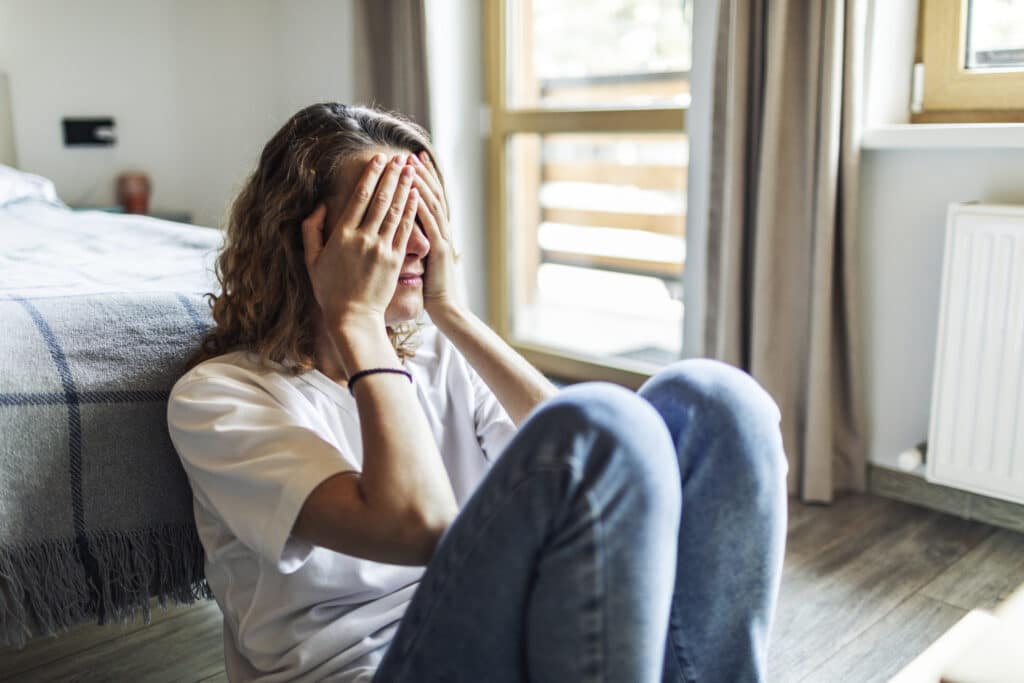
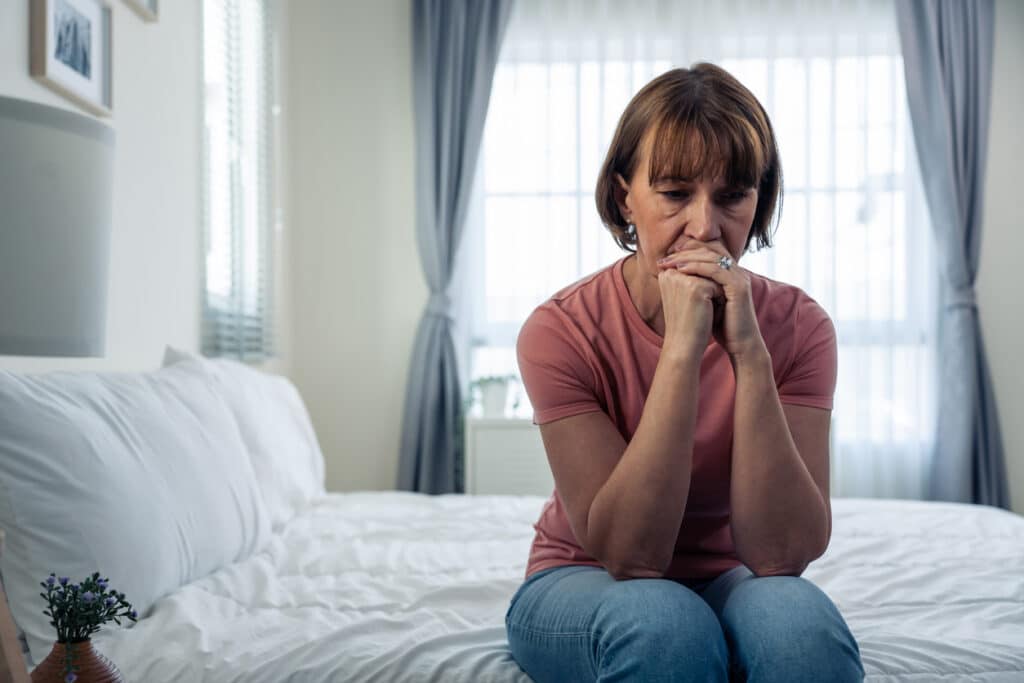
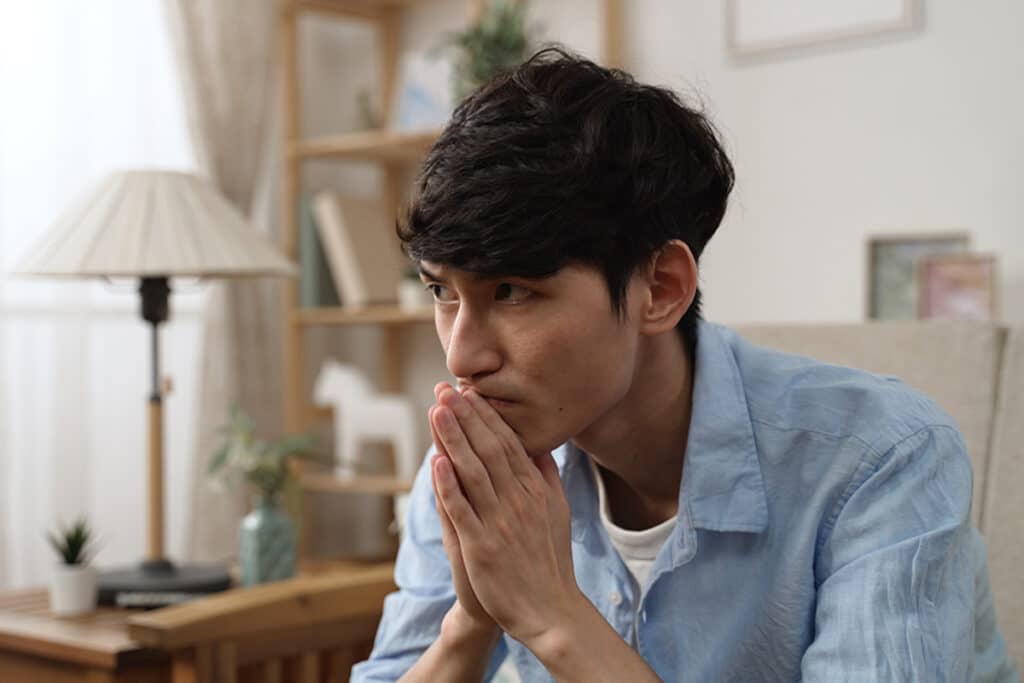
What is the meaning of life? Do I have a purpose? What’s the point? Who am I? If you’ve found yourself asking these questions, you may be experiencing existential anxiety also commonly referred to as an existential crisis

While not a formal diagnosis in the DSM-5, existential anxiety is a recognized and deeply human experience, marked by inner conflict about meaning, purpose, choice, and identity. Mental health professionals often refer to it as one of the core types of anxiety, distinct from general, social, or panic-based anxiety. 

Those who experience existential anxiety are often grappling with fundamental questions about existence. As humans, our brains are wired to contemplate abstract concepts, and during times of stress, transition, grief, or trauma, these questions can become more intense and overwhelming. 

This type of anxiety frequently emerges in adolescence or early adulthood, when identity formation is underway and life paths are still uncertain. However, existential anxiety can surface at any age. During midlife transitions or later in life, when reflections on mortality, legacy, and life choices become more pronounced. 

Symptoms and Effects 

Existential anxiety can result in an overwhelming sense that life lacks meaning or direction. You may find yourself caught in cycles of overthinking or wrestling with questions that seem impossible to answer. This constant mental spinning can be exhausting, leading to emotional burnout and a sense of detachment from yourself or your goals. It may amplify symptoms of

depression or anxiety, especially when you begin to feel trapped by your own thoughts. The experience can be isolating, and it’s not uncommon for people to feel that no one else understands the depth of what they’re going through. 

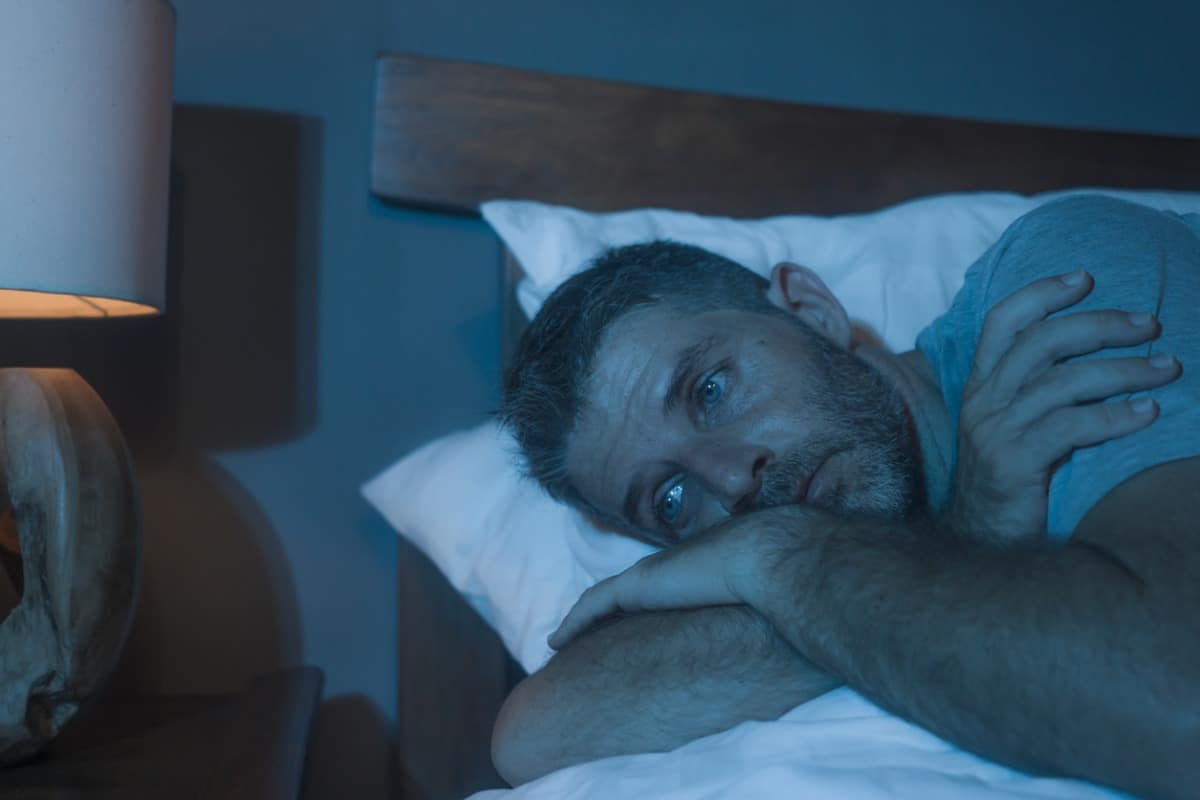
Physically, existential anxiety may present through symptoms such as insomnia, reduced appetite, or low energy. Some individuals also experience panic symptoms like a racing heart, shortness of breath, chest tightness, or trembling. These bodily sensations can be distressing, adding another layer of fear or confusion to what is already a challenging experience. While the specific symptoms will vary from person to person, if you find that you’re constantly questioning your thoughts, your identity, or the point of it all and those thoughts are impacting your well-being it’s worth considering that existential anxiety may be part of what you’re experiencing. 

Nutrition and Lifestyle 

Although existential anxiety doesn’t originate from nutrition or lifestyle choices, attending to these areas can still provide support for your overall mental health. This isn’t to say that dietary changes should replace psychotherapy, but they can help reduce the general symptoms of anxiety that often accompany existential distress. A diet that includes magnesium-rich foods like leafy greens or legumes may reduce anxiety, as well as foods high in omega-3 fatty acids such as salmon. Zinc has also been linked to mood stability, and can be found in foods like egg yolks or beef. 

Lifestyle choices, especially related to sleep, are also important. A lack of sleep can increase feelings of being out of control and disconnected from yourself. When sleep is disrupted, negative self-talk, low mood, and anxious thought patterns tend to become more prominent. This

can heighten existential anxiety by making it harder to feel grounded or secure. Ensuring that you’re resting well, eating regularly, and engaging in daily movement or mindfulness can offer a stabilizing foundation while you explore deeper emotional work. 

Symptom Management 

Managing existential anxiety begins with understanding that your symptoms are trying to tell you something. They can be used as guideposts in your treatment journey. In addition to psychotherapy, CARESPACE Health+Wellness offers a range of multidisciplinary supports. Massage therapy may help reduce the physical tension that builds up in the body due to chronic stress or overthinking. Naturopaths can work with you to explore how diet, hormone balance, or nutrient deficiencies might be contributing to your emotional state. These approaches, when used together, can help ease the body and mind while you engage in the deeper work of psychotherapy. 

Existential anxiety is a deeply personal and often isolating experience but you don’t have to navigate it alone. If any of this resonated with you and you’re curious about exploring your thoughts, identity, or purpose more deeply, consider booking a psychotherapy session at CARESPACE Health+Wellness. I’d be happy to work with you in creating space to process what you’re feeling, explore your inner world, and begin finding clarity and meaning in the uncertainty.

What Does Anxiety Feel Like?

What Does Anxiety Feel Like?

If you’ve ever experienced anxiety you know that it can be an overwhelming feeling that can affect your life in various ways. Anxiety can present itself in different forms, such as panic attacks, phobias, obsessive-compulsive disorder and generalized anxiety disorder to name a few. But what does anxiety feel like? In this article, we’ll explore the symptoms of anxiety, the effects it can have on your body and how to cope with it.

Symptoms of Anxiety

Anxiety can manifest itself in various physical, emotional and behavioral symptoms. Physical symptoms include increased heart rate, sweating, trembling, muscle tension and difficulty breathing. You may also experience nausea, dizziness or feeling faint. Emotional symptoms can include feelings of restlessness, being on edge and irritability. You may find yourself worrying excessively, having intrusive thoughts or feeling overwhelmed or burnt out. Behavioral symptoms can include avoidance of certain situations or activities and difficulty concentrating.

Effects of Anxiety on Your Body

Anxiety can affect your body in several ways. When you experience anxiety your body releases stress hormones such as adrenaline and cortisol which can increase heart rate, breathing rate, and blood pressure. Chronic anxiety can have negative effects on your health, including an increased risk of cardiovascular disease, respiratory disorders, and digestive problems.

Coping with Anxiety

There are various ways to cope with anxiety, including psychotherapy and counseling. A therapist can help you identify patterns of anxious thinking and teach you techniques for managing your symptoms. Other coping strategies include meditation, mindfulness, exercise, and relaxation techniques such as deep breathing. It’s essential to identify and avoid triggers that can cause anxiety, such as stressful situations, caffeine, and alcohol.

Seeking Professional Help

If your anxiety is affecting your daily life and functioning, it’s crucial to seek professional help. Psychotherapy and counseling can be effective treatment options for anxiety. A Kitchener Waterloo therapist at CARESPACE can help you work through your anxiety, learn coping strategies, and develop resilience. Medication may also be prescribed in some cases. It’s essential to work with a mental health professional who can help you identify the best treatment plan for your individual needs.

Anxiety can be a challenging experience, but there are ways to cope with it. It’s crucial to identify the symptoms of anxiety, understand the effects it can have on your body, and seek professional help if necessary. By practicing coping strategies and seeking support, you can manage your anxiety and improve your quality of life. Remember that it’s okay to ask for help and that there is no shame in seeking mental health treatment. You deserve to feel happy and healthy, and there are resources available to help you get there.

How Long Does Anxiety Take to Heal?

How Long Does Anxiety Take to Heal?

Anxiety is a common mental health condition that affects many individuals globally. Panic attacks, phobias, OCD, and general anxiety are some of the common forms of anxiety that most individuals experience. Although anxiety can have severe repercussions on our mental and emotional well-being, many effective therapies can help manage it. One question that those dealing with anxiety often ask is, How long does it take for anxiety to heal? In this blog post, we explore the various healing processes involved in psychotherapy and counselling, two of the most effective treatments for anxiety.

Types of Psychotherapy and Counselling

Anxiety can have different causes, presenting itself in various forms, which can lead to an individual choosing different types of counselling. If anxiety is a kind of phobia, cognitive-behavioural therapy (CBT) is likely the optimal treatment, whereas exposure therapy could be suitable for OCD-related anxiety. On the other hand, if someone is suffering from a specific anxiety-causing event, e.g., going to a party, then solution-focused therapy is ideal. Therapy for anxiety usually begins with an evaluation to identify the stressors or associating factors, which will subsequently be addressed during therapy.

Factors that influence the healing process

Many factors can influence anxiety recovery, which can, in turn, affect the healing timeline. The severity of the anxiety, the underlying conditions, and the efficacy of the treatment, to mention a few, are all significant factors. Therefore, it is essential to consult with your therapist regarding these factors, as they will inform how long it will take for you to fully recover.

The Therapy Process

Psychotherapy and counselling can help us identify and reframe negative thoughts, acquiring tools and coping mechanisms to manage anxiety. By being exposed to the anxiety-inducing triggers, we can help our mind and body to cope with the anxiety progressively. During therapy, you get to understand the sources of your anxiety and how they affect your thinking and behaviour. The therapist then focuses on helping you develop the tools to manage the symptoms. This journey may take a few weeks to several months, depending on the severity of the anxiety and particular therapy.

The presence of anxiety after therapy

Once you start therapy, you may experience immediate changes in the frequency and intensity of the anxiety symptoms. However, complete healing can take some time because anxiety is complex and has a wide range of associated issues. After therapy, you may experience anxiety during particularly challenging situations or dilemmas. However, the coping mechanisms you learned during therapy can help you manage anxiety, and with continuous practice, the intensity and frequency of the remaining anxiety can be reduced until they eventually disappear.

Anxiety healing is a complex journey that may take some time, depending on the severity of your anxiety and the particular treatment. Psychotherapy and counselling can help reframe negative thoughts and develop coping mechanisms to manage the symptoms. Factors such as the effectiveness of the treatment, severity of anxiety, and underlying health conditions can all affect the healing timeline. Therefore, it is essential to stay committed to the therapy process, practice the coping tools, and work collaboratively with your therapist to recover fully. It is possible to overcome anxiety and live a fulfilling life, and psychotherapy and counselling are excellent resources to commence healing.

Does IPT Work for Anxiety?

Does IPT Work for Anxiety?

Anxiety disorders are among the most common mental health issues worldwide, with roughly 40 million adults in the United States alone experiencing them. With various treatment options available, finding the right path to wellness is crucial. One modality that is garnering significant attention is Interpersonal Psychotherapy (IPT). Here, we’ll explore what IPT is, how it works, and most importantly, whether it’s an effective tool in the battle against anxiety.

What Is IPT?

Interpersonal Psychotherapy (IPT) is a structured form of psychotherapy that focuses on resolving interpersonal issues and establishing improved relationships. Unlike other forms of therapy that delve into deep-rooted problems, IPT is generally considered a present-focused and time-limited approach. It helps individuals identify how their interactions with others can affect their mental health and vice versa.

How Does IPT Work?

IPT operates on the premise that psychological symptoms, including anxiety, can be significantly influenced by the quality of relationships in an individual’s life. The therapy generally unfolds in three phases: initial, middle, and termination. Throughout these phases, clients work with their therapists to:

  • Identify emotional problems that occur within the context of the individual’s interpersonal relationships.
  • Examine how their relationships change over time and the role these changes play in their anxiety.
  • Learn and practice new ways of interacting with others to alleviate symptoms.

This evidence-based therapy aims to target specific problem areas without venturing into broader personal history, making it a valuable tool for those primarily struggling with current life challenges.

IPT for Anxiety: The Evidence

Studies have shown that IPT can be an effective treatment for various mental health issues, including anxiety. These studies often focus on Generalized Anxiety Disorder (GAD) and Social Anxiety Disorder (SAD). Results have been promising, with IPT demonstrating an ability to alleviate symptoms and improve overall functioning.

The efficacy of IPT for anxiety can be attributed to several key factors:

  • Focus on Relationships: IPT helps anxiety sufferers recognize the complex interplay between their symptoms and their social sphere. By strengthening social skills and improving emotional expression, clients develop healthier relationships, reducing their anxiety.
  • Problem-Based Approach: By working with patients to resolve issues related to their anxiety symptoms, IPT helps break down problems into manageable components. This approach empowers individuals, giving them focused goals and clear milestones.
  • Short-Term Nature: IPT’s time-limited nature is particularly advantageous for anxiety. Knowing there is a set endpoint can provide a sense of structure and control, addressing two elements often cited by anxiety sufferers as triggers for their symptoms.
  • Long-Term Outcomes: IPT’s benefits have also been observed to extend beyond the end of therapy, with patients reporting sustained improvements in their anxiety levels.

While medication and cognitive-behavioral therapies are more commonly used, IPT’s distinct focus on relationships offers an alternative mechanism to address anxiety effectively.

Who is IPT for?

IPT can be particularly beneficial for individuals who recognize that their anxiety is closely linked to their relationships. This form of psychotherapy is often recommended for those dealing with life transitions, grief, interpersonal disputes, or social isolation.

It’s important to note that IPT, like any therapy, isn’t a one-size-fits-all solution. The compatibility between the client and the therapist, as well as the willingness of the client to participate in improving their relationships, plays a significant role in the therapy’s effectiveness.

The Future of Anxiety Treatment: IPT and Beyond

As society gains a deeper understanding of the multifaceted nature of anxiety, psychotherapy continues to evolve. IPT’s effectiveness adds to the growing body of evidence that a broad approach to mental health, encompassing various psychotherapeutic modalities, may provide the best outcomes.

Clients looking to manage their anxiety should consider IPT in consultation with their mental health professionals. The best path to recovery often involves a combination of interventions, tailored to reflect each individual’s unique needs and circumstances.

In conclusion, Interpersonal Psychotherapy presents a promising and evidence-based approach to managing anxiety. Recognizing the power of our relationships and the role they play in our well-being, IPT offers a pathway to not only understand one’s anxiety but to address it in a meaningful and lasting way.

How Can Online Counselling Help Anxiety?

How Can Online Counselling Help Anxiety?

Anxiety is a common and often overwhelming condition that affects millions of people worldwide. Whether it manifests as social anxiety, generalized anxiety disorder, or panic attacks, the impact can be deeply distressing. While there are many ways to manage anxiety, one of the most effective and accessible methods today is through online counselling.

In recent years, online psychotherapy has become a popular option for those seeking mental health support. It allows individuals to access professional help from the comfort of their homes, offering a sense of privacy, convenience, and flexibility. But how exactly can online counselling assist in managing anxiety?

1. Anonymity and Comfort

One of the key benefits of online psychotherapy is the ability to remain anonymous. For many people struggling with anxiety, the idea of meeting with a therapist in person can feel intimidating or overwhelming. Online sessions eliminate this barrier by allowing you to connect with a qualified online psychotherapist in a comfortable and familiar environment. This can help reduce feelings of vulnerability and create a safe space for you to open up about your struggles.

2. Flexibility and Convenience

Another advantage of online therapy is the flexibility it offers. Traditional in-person therapy requires you to schedule appointments around your busy life, often causing additional stress. With online counselling, you can book online therapist appointments at times that are convenient for you, whether it’s early in the morning, during lunch breaks, or after work. This flexibility ensures that you can prioritize your mental health without sacrificing other commitments.

3. Access to Skilled Professionals

With the growth of online mental health support, more people than ever have access to skilled professionals who specialize in treating anxiety. Whether you’re dealing with generalized anxiety disorder, panic attacks, or social anxiety, you can easily find an online counsellor who suits your needs. CARESPACE offers a team of highly trained psychotherapists who are experienced in helping clients navigate the challenges of anxiety. Through their online platform, you can connect with a therapist who specializes in techniques such as cognitive-behavioral therapy (CBT), mindfulness practices, and exposure therapy to manage and reduce anxiety symptoms.

4. Consistent and Ongoing Support

For individuals with anxiety, consistency is key in managing symptoms. With online counselling, it’s easier to maintain regular sessions without the disruption of travel or scheduling conflicts. You can access therapy on a weekly or bi-weekly basis to ensure you’re staying on track with your mental health goals. This ongoing support can be crucial for building coping strategies and developing resilience in the face of anxiety.

5. Overcoming Geographical Barriers

Geography often plays a role in limiting access to qualified therapists, especially for those living in rural or remote areas. By opting for online psychotherapy, you can see a therapist online regardless of your location. This opens up a world of possibilities for individuals who may not otherwise have access to mental health professionals nearby.

6. Privacy and Confidentiality

Privacy and confidentiality are critical in any therapy setting, and online psychotherapists adhere to the same ethical standards as their in-person counterparts. Online therapy platforms use secure, encrypted video conferencing tools, ensuring that your sessions are confidential and safe from unauthorized access. This peace of mind is essential for individuals with anxiety, who may feel more comfortable sharing their thoughts and feelings when they know they’re in a secure space.

How CARESPACE Online Psychotherapists Can Help

At CARESPACE, we understand the unique challenges that come with anxiety. Our team of professional online psychotherapists specializes in providing tailored support for individuals struggling with anxiety. Whether you’re experiencing constant worry, panic attacks, or social anxiety, we’re here to help.

You can easily book online therapist sessions through our platform, where you’ll be matched with a compassionate and experienced professional who understands your needs. With the flexibility of online therapy, we ensure you can access support whenever you need it most. Don’t let anxiety control your life—take the first step towards healing today by choosing CARESPACE for online mental health support.

If you’re ready to begin your journey toward managing anxiety, don’t hesitate to see a therapist online with CARESPACE. We are committed to providing a safe and effective space for you to explore your mental health and find the tools to thrive.

In Conclusion:

Anxiety can be isolating, but you don’t have to face it alone. Online counselling offers a safe, flexible, and affordable way to seek the support you need. With the help of qualified online psychotherapists like those at CARESPACE, you can find lasting relief from anxiety and regain control over your life. Start your path to healing today—find an online counsellor who understands your needs and is ready to guide you toward a brighter future.

Does Anxiety Ever Fully Go Away?

Does Anxiety Ever Fully Go Away?

Anxiety is a natural part of life. It’s our brain’s way of keeping us alert to danger, helping us prepare for challenges, and motivating us to perform at our best. But when anxiety becomes overwhelming, persistent, or interferes with daily life, it can feel like a constant battle—one that many people wonder if they’ll ever truly win.

So, does anxiety ever fully go away? The short answer is: it depends. For some, anxiety may significantly decrease or even disappear with time, therapy, and lifestyle changes. For others, it might be something they learn to manage rather than eliminate completely. The key is understanding how to work with your anxiety rather than against it.

Understanding Anxiety: A Lifelong Relationship

Anxiety isn’t necessarily something that needs to be “cured.” Instead, it’s about learning how to regulate it effectively. Think of it like stress or sadness—these emotions don’t just vanish forever, but we develop skills to cope with them in healthier ways.

Some people experience situational anxiety, which flares up during stressful life events but subsides when circumstances improve. Others have generalized anxiety disorder (GAD) or other anxiety-related conditions that require long-term management. The good news is that with the right support and tools, anxiety can become far less disruptive in your daily life.

How CARESPACE Psychotherapists Can Help with Anxiety

At CARESPACE, our Waterloo and Kitchener therapists take a holistic and evidence-based approach to help individuals manage anxiety effectively. Rather than simply focusing on symptoms, they work with you to uncover the root causes of your anxiety and develop personalized coping strategies. Here’s how they can help:

1. Cognitive Behavioural Therapy (CBT)

CBT is one of the most effective therapeutic approaches for anxiety. CARESPACE therapists use CBT techniques to help you recognize negative thought patterns, challenge irrational fears, and develop healthier ways of thinking. By changing the way you interpret situations, you can reduce anxious feelings over time.

2. Mindfulness and Relaxation Techniques

Anxiety often thrives on future-focused worry. CARESPACE psychotherapists incorporate mindfulness-based strategies to help you stay present and grounded. Breathing exercises, progressive muscle relaxation, and guided meditation are some of the tools they might introduce to help calm your nervous system.

3. Exposure Therapy for Specific Anxieties

If you experience anxiety related to specific fears (such as social situations, public speaking, or phobias), exposure therapy can be highly effective. This structured approach gradually helps you face your fears in a controlled, supportive environment, reducing their power over you.

4. Lifestyle and Behavioural Coaching

Anxiety is often influenced by lifestyle factors, including sleep, nutrition, exercise, and daily habits. CARESPACE therapists take an integrative approach, offering guidance on self-care strategies that support mental well-being. This may include establishing a consistent sleep routine, incorporating physical activity, or identifying foods that impact mood.

5. Personalized Support for Long-Term Management

Since anxiety looks different for everyone, therapy at CARESPACE is never one-size-fits-all. Whether your anxiety is tied to past trauma, work stress, or social pressures, their psychotherapists tailor their approach to suit your unique needs, empowering you with the tools to navigate life’s challenges with confidence.

The Goal: Managing, Not Erasing Anxiety

The ultimate goal isn’t necessarily to eliminate anxiety altogether but to make it manageable. Through therapy, self-awareness, and lifestyle adjustments, many people find that anxiety becomes less intense and less frequent over time.

If you’re struggling with anxiety, know that you don’t have to face it alone. CARESPACE Health+Wellness offers professional, compassionate support to help you regain control and live with more ease. By working with a psychotherapist, you can develop the skills to manage anxiety in a way that allows you to lead a fulfilling, balanced life.

Ready to Take the First Step?

If you’re interested in learning more about how CARESPACE psychotherapists can help with anxiety, book an appointment today. Relief is possible—you just need the right tools and support to get there.

What is Good for Anxiety?

What is Good for Anxiety?

Anxiety can be a debilitating condition making it challenging for people to live their lives to the fullest. If left untreated anxiety can significantly impact mental and physical health, work and relationships. It is essential to treat anxiety as early as possible. While there are many treatments for anxiety two of the most common are psychotherapy and counselling. In this blog, we will discuss what psychotherapy and counselling are, their differences and which one is better for anxiety.

Psychotherapy and counselling are types of mental health treatments that aim to help individuals manage their emotions, feelings, thoughts and behaviors. The primary difference between the two treatments is the focus of the therapy.

Psychotherapy is a long-term, in-depth and intensive form of therapy that focuses on the underlying causes of anxiety. During psychotherapy a certified mental health professional explores the root of the anxiety and addresses past traumas, deep-seated feelings and patterns of behavior. Psychotherapy sessions are often weekly and can last for months or years depending on the individual’s needs.

On the other hand, counselling is focused on solving specific problems in a person’s life. It is generally a shorter-term therapy that can help people understand their anxiety symptoms, provide coping strategies for different situations, and improve communication skills. Counselling sessions can be weekly or bi-weekly and can generally last from a few months to a year.

Both psychotherapy and counselling have their unique benefits and can be effective in helping people manage anxiety. However, psychotherapy may be more suitable for people who are experiencing severe anxiety or have a history of trauma. Counselling may be a more appropriate option for people who are experiencing more mild anxiety symptoms, and need help in specific areas of their life.

In addition, psychotherapy treatments differ in techniques depending on the type of psychotherapy. Psychodynamic psychotherapy, for example, explores the unconscious mind and how early experiences can affect our current behaviors. Cognitive-behavioral therapy (CBT), on the other hand, focuses on the relationship between our thoughts and behaviors. These psychotherapies can be combined with medication to help manage anxiety symptoms.

It is important to remember that each individual is unique, and what may work for one person may not work for another. If you are experiencing anxiety, it is crucial to seek professional help from a trained mental health professional who can provide guidance in choosing the best option for therapy. In summary, psychotherapy provides a more in-depth, underlying focus on anxiety, while counselling focuses on addressing specific issues in one’s life. Both can be beneficial in managing anxiety, and it is up to the individual, with advice from a therapist, to determine which is the best option.

Is Kinesiology Good for Anxiety?

Is Kinesiology Good for Anxiety?

Anxiety is a common mental health condition that affects millions of people worldwide. It can manifest in various ways, such as constant worry, racing thoughts, and physical symptoms like rapid heartbeat and shortness of breath. While traditional treatments like therapy and medication are effective for many individuals, alternative treatments like kinesiology have also gained popularity for their ability to reduce anxiety and promote overall well-being. In this blog post, we will explore the benefits of kinesiology for anxiety relief.

Kinesiology is a holistic therapy that uses muscle testing to identify imbalances in the body’s energy systems. By applying gentle pressure to specific muscles, a trained practitioner can determine where energy blockages are occurring and work to restore balance. This process can help alleviate physical tension and reduce stress levels, which are often heightened in individuals with anxiety disorders. Additionally, kinesiology can help individuals become more aware of their body’s responses to stress triggers, allowing them to develop coping mechanisms for managing anxiety in real-time.

One of the key benefits of kinesiology for anxiety relief is its ability to address the root cause of the condition rather than just treating the symptoms. Traditional therapies often focus on managing anxiety through medication or cognitive-behavioral techniques, but kinesiology takes a more holistic approach by looking at the underlying imbalances in the body’s energy systems. By restoring balance to these systems, individuals may experience long-lasting relief from their anxiety symptoms without relying on medications or other interventions.

In addition to addressing physical imbalances, kinesiology can also help individuals identify and release emotional traumas that may be contributing to their anxiety. Through muscle testing and other techniques, a kinesiologist can guide individuals towards uncovering unresolved emotions that are stored in the body and causing stress. By acknowledging and releasing these emotions, individuals can experience a sense of emotional freedom and reduced anxiety levels.

Another benefit of kinesiology for anxiety relief is its focus on promoting overall well-being and self-care. In addition to addressing specific imbalances related to anxiety symptoms, kinesiologists often provide recommendations for lifestyle changes that can support mental health and reduce stress levels. These recommendations may include dietary changes, exercise routines, mindfulness practices, or other self-care strategies that can enhance an individual’s ability to manage anxiety effectively.

In conclusion, kinesiology offers a unique approach to addressing anxiety by focusing on restoring balance to the body’s energy systems and promoting overall well-being. By identifying and releasing physical tension, emotional traumas, and lifestyle factors that contribute to anxiety symptoms, individuals may experience significant relief from their condition without relying solely on traditional treatments like therapy or medication. If you are struggling with anxiety and looking for alternative treatments that promote holistic healing, consider exploring the benefits of kinesiology in Kitchener Waterloo at CARESPACE as part of your mental health journey towards greater peace and well-being.

Why Anxiety is Not a Problem but a Useful Emotion?

Why Anxiety is Not a Problem but a Useful Emotion?

In a world that often tells us to “stay positive” and “think happy thoughts,” anxiety gets a bad rap. It’s seen as something to conquer, a foe to vanquish. But what if we flipped that narrative? What if anxiety isn’t the enemy but rather an ally—a signal that can guide, protect, and even help us grow? Let’s explore why anxiety isn’t a problem to fix, but a useful emotion that plays an essential role in our lives.

Anxiety Is a Messenger, Not a Threat

At its core, anxiety is your body’s way of alerting you to potential risks. When you have anxiety it can bring on feelings which might make your heart race or your palms sweat, has deep evolutionary roots. Thousands of years ago, our ancestors depended on this heightened state of alertness to evade predators or make quick decisions in dangerous situations. While you’re not likely to encounter a saber-toothed tiger on your morning commute, anxiety still serves as an internal radar for modern challenges, whether it’s preparing for a big exam, addressing a conflict, or navigating a life change. Instead of viewing anxiety as something to squash, try asking yourself: What is my anxiety trying to tell me? If you have anxiety, it might be pointing out something important that deserves your attention.

Anxiety Fuels Growth and Preparedness

Think about the moments in life where anxiety kicks in—before a job interview, while delivering a presentation, or when making a major decision. While the sensation can be uncomfortable, it’s also what drives you to prepare, stay alert, and perform well. In fact, a certain level of anxiety, called optimal stress or eustress, can enhance focus, problem-solving, and creativity. Imagine walking into a test completely indifferent—you likely wouldn’t study or put in much effort. A dash of anxiety reminds you that something matters and pushes you to do your best.

Anxiety Encourages Self-Reflection

Anxiety can also be a signpost for areas of your life that need attention or change. If you’re constantly worried about deadlines, for instance, it might signal the need to reassess your workload or time management. If social situations trigger your anxiety, it could be an opportunity to reflect on underlying fears, unmet needs, or personal boundaries. Far from being a problem, anxiety is often a cue to pause, reflect, and take intentional steps toward improving your mental and emotional well-being.

Anxiety Helps Us Connect With Others

While anxiety can feel isolating, it’s also an emotion that connects us to others. When we’re anxious about a loved one’s well-being, it reflects care and empathy. When we share our anxieties with others, it can open doors to vulnerability and deeper relationships. Anxiety is part of what makes us human—it reminds us that we’re not alone in our fears, and it creates opportunities to offer and receive support.

Redefining Anxiety as a Partner

So, how can we embrace anxiety as a useful emotion rather than a problem?

1. Listen to Your Anxiety: Instead of pushing it away, get curious. What is it trying to tell you about your needs, values, or environment?
2. Reframe the Narrative: Remind yourself that anxiety isn’t a flaw but a natural response designed to help you.
3. Use It Productively: Channel anxious energy into preparation, problem-solving, or creativity.
4. Seek Balance: While anxiety is useful, chronic or overwhelming anxiety may need professional support. Learning when to embrace it and when to seek help is key.

Anxiety as a Guide, Not an Enemy

Anxiety is not the villain of your story; it’s a character that shows up to nudge you toward growth, safety, and awareness. By working with a therapist we can change how we perceive and respond to it, we can transform anxiety from a source of dread into a tool for living more intentionally. The next time anxiety pays you a visit, remember: it’s not here to harm you. It’s here to help.

What is the Gold Standard Treatment for Anxiety?

What is the Gold Standard Treatment for Anxiety?

Anxiety can be a debilitating condition that affects millions of people worldwide. While there are many treatment options available, finding the gold standard treatment for anxiety is crucial in providing relief and improving quality of life. In this blog post, we will delve into the most effective and widely recommended treatment for anxiety – psychotherapy.

Psychotherapy, also known as talk therapy, is considered the gold standard treatment for anxiety by many mental health professionals. This form of therapy involves working with a trained therapist to identify and address the root causes of anxiety, as well as develop coping strategies to manage symptoms. Cognitive Behavioural Therapy (CBT) is one of the most common types of psychotherapy used to treat anxiety. CBT helps individuals recognize and change negative thought patterns that contribute to their anxiety, teaching them healthier ways to cope with stress and fear.

Another type of psychotherapy that has shown great success in treating anxiety is Exposure Therapy. This form of therapy involves gradually exposing individuals to feared situations or objects in a controlled environment, helping them learn how to confront their fears and reduce anxiety over time. By facing their fears in a safe setting with the guidance of a therapist, individuals can build confidence and resilience in managing their anxiety.

In addition to individual therapy sessions, group therapy can also be an effective fix for anxiety. Group therapy allows individuals with similar struggles to come together in a supportive environment, sharing experiences and learning from one another. This sense of community and understanding can help reduce feelings of isolation and provide valuable insights into different coping mechanisms.

It’s important to note that while psychotherapy is often considered the gold standard treatment for anxiety, it may not be suitable for everyone. Some individuals may benefit from a combination of therapy and medication, depending on the severity of their symptoms. It’s essential to work closely with a qualified mental health professional to determine the best course of treatment for your specific needs.

In conclusion, psychotherapy stands out as the gold standard treatment for anxiety due to its effectiveness in addressing underlying issues and providing practical tools for managing symptoms. Whether through cognitive-behavioral techniques or exposure therapy, individuals can find relief from anxiety by working with a trained therapist. By seeking help and exploring different therapeutic approaches, you can take steps towards overcoming your anxiety and reclaiming control over your mental health. Remember that you are not alone in this journey, and there are resources available to support you every step of the way.

Does Anxiety Happen When Resting

Does Anxiety Happen When Resting

Anxiety is a pervasive mental health condition that can range from mild to severe. Despite its prevalence, many people still don’t know or understand that anxiety can strike when we are resting or even sleeping. This can lead to a lot of confusion and suffering, making it essential to shed some light on this subject. In this blog post, we’ll explore the connection between anxiety and rest, how it happens, and what you can do about it. Let’s get started.

What is Anxiety?

Anxiety is the body’s natural response to stress and perceived danger. It’s a feeling of fear or apprehension about what’s to come, and it’s a normal human emotion. However, when anxiety becomes overwhelming and constant, it can interfere with daily life and our ability to function. When anxiety happens at night, it can affect a person’s sleep health. Anxiety can manifest in physical, emotional, and behavioural symptoms, including excessive worrying, restlessness, mood swings, and even panic attacks.

Can Anxiety Happen When Resting?

Anxiety can happen at any time, even when we’re resting or sleeping. Some people may experience anxiety when they wake up in the morning, anticipating the challenges of a new day. Others may feel anxious when they’re trying to relax or wind down after a long day. Racing thoughts, heart palpitations, muscle tension, and other physical symptoms can all occur during rest.

What Causes Anxiety to Happen While Resting?

Several factors can contribute to anxiety happening during periods of rest. For one, the brain does not shut down during rest, and any stressors or worries we were experiencing earlier in the day may resurface. Additionally, many people are so used to being in a constant state of stress and worry that they have a hard time relaxing, and this can lead to anxiety symptoms. Also, some people may feel guilty or anxious about taking time off, or they may have a fear of missing out on something essential.

How Can You Address Anxiety When Resting?

If you’re experiencing anxiety when resting, there are several things you can do to address it. For one, it’s vital to establish healthy sleep habits, such as creating a calm and relaxing bedtime routine, avoiding stimulating activities before bed, and maintaining a consistent sleep schedule. Practicing relaxation techniques like deep breathing, mindfulness, or meditation can also be helpful in reducing anxiety symptoms. It may also be beneficial to speak to a mental health professional, such as a counsellor or psychotherapist, to address any underlying anxiety issues and learn coping skills to manage anxiety symptoms effectively.

In conclusion, anxiety can happen at any time, including periods of rest. Understanding what causes anxiety during rest and exploring ways to manage these symptoms is key to improving one’s mental health and overall wellbeing. If you’re struggling with anxiety when resting, know that you’re not alone, and there are effective strategies to help you manage this condition. Don’t hesitate to seek help from mental health professionals or try out self-care techniques to help you relax and reduce anxiety symptoms. Remember, you deserve to feel calm, grounded, and at peace, even during periods of rest.

What is the Quickest Way to Get Rid of Anxiety?

What is the Quickest Way to Get Rid of Anxiety?

Anxiety is a common mental health concern affecting millions of people worldwide. While it is natural to feel anxious in certain situations, excessive worry or fear that often accompanied by symptoms like restlessness, fatigue, difficulty concentrating, and sleep disturbance can become debilitating, if not addressed. Some of the most common ways that people deal with anxiety include spending time with loved ones, exercise, meditation, deep breathing, and medication. However, you may be wondering what the quickest way to get rid of anxiety is? In this blog post, we explore the fastest, evidence-based approaches for managing anxiety.

Psychotherapy: Also known as talk therapy, it is an effective, fast treatment for anxiety recovery and other mental health problems. It involves meeting with a therapist to talk about your feelings, thoughts, and behaviors while exploring how they affect your daily life to give you skills to permanently remove your anxiety. There are various forms of psychotherapy, including cognitive-behavioral therapy (CBT), psychodynamic therapy, and humanistic therapy. CBT is often recommended for managing anxiety as it seeks to identify negative thought patterns fueling anxiety and replaces them with positive, realistic ones to help stop the progression of anxiety.

Mindfulness meditation: This technique involves paying attention to the present moment without judgment. Mindfulness-based interventions have been found to reduce anxiety and depression symptoms. In one study, participants with high levels of anxiety who completed an eight-week program of mindfulness-based stress reduction reduced their anxiety levels by almost 60%.

Exercise: Exercise has many benefits for physical health, but it is also effective in reducing anxiety symptoms. Exercise promotes the release of endorphins, the feel-good neurotransmitters that reduce stress and promote a positive mood. A 2017 meta-analysis found that exercise was beneficial for people with anxiety disorders and had a significant effect on reducing anxiety symptoms.

Guided Imagery: This technique involves using your imagination to create a calming, peaceful, or safe visual, auditory, or sensory experience. Guided imagery can help reduce anxiety by shifting your focus away from stressors and promoting relaxation and positive outlook. For example, imagining yourself floating on a cloud, walking through a forest, or listening to calming sounds can help reduce feelings of anxiety.

Anxiety can be overwhelming, but with the right tools and support, it can be managed. While there is no one quick fix for anxiety, multiple evidence-based approaches can help you reduce symptoms and improve your quality of life. Psychotherapy, mindfulness meditation, exercise, and guided imagery are just some of the fast-acting techniques for managing anxiety. If you are struggling with anxiety, don’t hesitate to seek help from a mental health professional who can guide you in selecting the most effective treatment for your unique needs. Remember, you don’t have to suffer alone.

What is the Fastest Way to Recover from Anxiety?

What is the Fastest Way to Recover from Anxiety?

In today’s fast-paced world, anxiety has become a common companion for many. Whether triggered by work pressure, personal relationships, or societal expectations, anxiety can feel overwhelming and exhausting. The quest for relief is often urgent, leading many to wonder: What is the fastest way to recover from anxiety?

Understanding Anxiety:

Before delving into solutions, it’s crucial to grasp what anxiety truly entails. Anxiety is more than just feeling stressed or worried; it’s a complex interplay of emotional, cognitive, and physiological factors. From racing thoughts to physical tension, its effects can be debilitating, affecting both mental well-being and physical health.

Quick Fixes vs. Sustainable Solutions:

In the pursuit of relief, it’s tempting to seek quick fixes for anxiety like medication or distraction. While these may offer temporary respite, true recovery from anxiety requires a holistic approach addressing its root causes to manage/remove anxiety permanently. Sustainable solutions prioritize long-term well-being, aiming not just to alleviate symptoms but to cultivate resilience and inner calm.

CARESPACE: A Holistic Approach to Anxiety Recovery:

Enter CARESPACE Health+Wellness, a beacon of hope for those navigating anxiety’s tumultuous waters. CARESPACE stands out for its client-focused coordinated care, offering a multifaceted approach rooted in evidence-based practices. At CARESPACE, anxiety recovery is not a one-size-fits-all endeavor but a personalized journey tailored to each individual’s needs and goals.

How CARESPACE Can Help:

1. Multidisciplinary Collaboration: CARESPACE boasts a team of regulated health professionals, including psychotherapists, who collaborate to craft comprehensive care plans to help stop the progression of anxiety. By leveraging diverse perspectives and expertise, CARESPACE addresses anxiety from all angles, ensuring a well-rounded approach to recovery.

2. Personalized Care Plans: Recognizing that every individual’s experience with anxiety is unique, CARESPACE designs personalized care plans tailored to specific needs and preferences. Whether it’s integrating mindfulness practices, exploring dietary adjustments, or incorporating exercise routines, each plan is meticulously crafted to foster holistic well-being.

3. Evidence-Based Interventions: Informed by the latest research and best practices, CARESPACE’s interventions are grounded in evidence, offering clients peace of mind in their journey towards anxiety recovery. From cognitive-behavioral techniques to somatic therapies, every modality employed at CARESPACE is rigorously vetted for its efficacy.

Psychotherapy: A Pillar of Anxiety Recovery:

Within CARESPACE’s arsenal of healing modalities, psychotherapy stands as a cornerstone in anxiety recovery. Psychotherapists, equipped with specialized training and expertise, guide clients through the intricate terrain of their inner world, helping them navigate and transcend anxiety’s grip.

How Psychotherapists Help:

1. Unpacking Root Causes: Psychotherapists provide a safe and nonjudgmental space for clients to explore the underlying factors contributing to their anxiety. By delving into past experiences, thought patterns, and relational dynamics, psychotherapy sheds light on the roots of anxiety, empowering clients to address them head-on.

2. Cultivating Coping Strategies: Armed with an array of therapeutic techniques, psychotherapists equip clients with practical coping strategies to manage anxiety symptoms effectively. From relaxation exercises to cognitive restructuring, these strategies empower clients to regain a sense of control over their emotional landscape.

3. Fostering Resilience: Beyond symptom management, psychotherapy fosters resilience by nurturing inner resources and enhancing emotional regulation skills. Through the therapeutic process, clients cultivate a deeper understanding of themselves, building resilience that withstands life’s inevitable challenges.

While the journey to anxiety recovery may seem daunting, it’s a path paved with hope, resilience, and transformation. With CARESPACE’s holistic approach and the guidance of skilled psychotherapists, individuals can embark on a journey of healing, reclaiming their inner peace and vitality. Remember, recovery is not just about reaching a destination; it’s about embracing the journey, one step at a time, towards a brighter, calmer tomorrow.

Does Anxiety Happen All the Time?

Does Anxiety Happen All the Time?

Anxiety is a common mental health issue that affects people of all ages. It’s characterized by feelings of worry, fear or unease that can negatively impact a person’s daily life. Many individuals believe that anxiety is something that happens all the time but that’s not the case. In this blog post, we’ll explore whether anxiety occurs all the time or if it comes and goes. We’ll also discuss why understanding anxiety is an essential step in managing your mental health.

First, it’s vital to understand that anxiety isn’t something that happens all the time. It’s common for people to experience anxiety in certain situations, like before an important meeting or during a job interview. In these instances anxiety is a natural response to stress. However if anxiety starts to affect your daily life it’s essential to seek help from a mental health professional. Some people will feel anxiety when resting during the day; others may experience anxiety at night.

Second, anxiety can come and go depending on the individual. Some people may experience anxiety for a short period, while others may deal with it for longer stretches of time. You may experience anxiety during specific times such as when dealing with life changes such as moving, changing jobs, or getting married. Anxiety can also be situational and related to difficult situations like health concerns, social interactions, or financial problems.

Third, anxiety can be treated with various methods, including psychotherapy and counselling. Psychotherapy focuses on the root cause of anxiety and how to adjust behaviors and thinking. Counseling is a specific type of therapy that helps to address current challenges. Discussing specific problems with your therapist and learning how to manage difficult emotions is an essential part of treatment.

Fourth, some strategies an individual can use to manage anxiety on a day-to-day basis are practicing deep breathing exercises, practicing meditation and mindfulness, and seeking social support from loved ones. Getting regular exercise, maintaining a healthy diet, and getting enough sleep can also help to reduce anxiety levels.

Finally, it’s essential to understand that anxiety is a common mental health issue that affects millions of people every day. Seeking help from a mental health professional is essential, as they can provide the right treatment to help manage anxiety levels. Therapy can be a crucial part of the journey to managing anxiety, and it can help encourage realistic thinking and desensitize a patient from symptomatic triggers.

In conclusion, anxiety is not something that happens all the time. However, it can occur without warning and persist for long periods, significantly affecting a person’s daily life. Understanding that anxiety is something that can be managed is an essential step in getting the care you need. Psychotherapy and counseling can be helpful treatments for managing anxiety symptoms. It’s important to remember that anxiety is a medical condition, and with appropriate treatment, it’s possible to lead a normal life.

How to Permanently Get Rid of Anxiety?

How to Permanently Get Rid of Anxiety?

Anxiety, in its various forms, affects millions worldwide, manifesting in worry, fear, and sometimes even panic. While it’s a common experience, the journey to overcome anxiety can feel overwhelming. However, there is hope. By understanding its roots and adopting holistic approaches, it’s possible to find lasting relief and stop the progression of anxiety. In this guide, we delve into strategies to permanently alleviate anxiety, exploring how multidisciplinary practices like those at CARESPACE Health+Wellness can play a pivotal role.

Understanding Anxiety:

Anxiety is more than just fleeting worry; it’s a complex interplay of biological, psychological, and environmental factors. Genetics, brain chemistry, personality, and life events all contribute to its development. It’s crucial to recognize that anxiety isn’t a sign of weakness but rather a natural response to stressors.

Identifying Triggers:

The first step in overcoming anxiety is identifying its triggers. These can range from specific situations or thoughts to underlying health conditions. Keeping a journal can help pinpoint patterns and triggers, providing insight into the root causes of the condition to help quickly address and fix anxiety.

Holistic Lifestyle Changes:

At CARESPACE, the approach to anxiety is holistic, focusing on lifestyle modifications that promote overall well-being. This includes adopting healthy eating habits, regular exercise, prioritizing sleep, and practicing relaxation techniques like mindfulness and deep breathing exercises. Small changes in daily routines can yield significant improvements in managing anxiety.

Professional Support:

Psychotherapists play a crucial role in the treatment of anxiety. Through various therapeutic modalities like cognitive-behavioral therapy (CBT), mindfulness-based therapy, and exposure therapy, psychotherapists help individuals understand and reframe negative thought patterns, develop coping strategies, and gradually face their fears in a supportive environment.

CARESPACE’s Multidisciplinary Approach:

CARESPACE offers a unique multidisciplinary approach to anxiety treatment, bringing together a team of regulated health professionals dedicated to client-focused care. Chiropractors, kinesiologists, fitness trainers, dietitians, RMTs, naturopathic doctors, physiotherapists, and psychotherapists collaborate to create personalized plans tailored to each client’s needs.

Chiropractors and RMTs can help alleviate physical tension and promote relaxation, while kinesiologists and fitness trainers design exercise regimens to reduce stress and boost mood. Dietitians offer nutritional guidance, emphasizing the role of diet in mental health, while naturopathic doctors explore natural remedies and supplements that support emotional well-being.

Integration of Therapeutic Modalities:

What sets CARESPACE apart is the integration of therapeutic modalities. Rather than offering isolated treatments, practitioners collaborate to address the root causes of anxiety comprehensively. For instance, a client may receive chiropractic adjustments to relieve physical tension, coupled with psychotherapy sessions to explore underlying emotional triggers.

Long-Term Success:

The goal at CARESPACE isn’t just to provide temporary relief but to facilitate long-term success in managing anxiety. By empowering clients with tools and strategies to navigate life’s challenges, individuals can build resilience and thrive.

Overcoming anxiety is a journey that requires patience, commitment, and support. With a holistic approach that addresses the mind, body, and spirit, lasting relief is possible. At CARESPACE Health+Wellness, individuals can access a multidisciplinary team of professionals dedicated to helping them achieve their health goals and reclaim their lives from anxiety’s grip. With the right support and strategies, anxiety doesn’t have to dictate one’s life.

Can I Live a Long Life with Anxiety?

Can I Live a Long Life with Anxiety?

The fast-paced life and pressures of the modern world have resulted in a rise in anxiety levels in people. More than 284 million people worldwide experience some form of anxiety disorder. The most common symptoms of anxiety include excessive worry, restlessness, irritability, fear, and panic. Anxiety not only disturbs mental health but also affects physical health leading to several health problems. Individuals with anxiety are often concerned about their longevity and whether they can live a long life with anxiety. The good news is that with the right treatment, anxiety can be managed effectively, which can help individuals live a longer and healthier life.

The Impact of Anxiety on Life Expectancy

Studies show that anxiety can negatively impact an individual’s life expectancy, as it increases the risk of developing chronic health conditions such as heart disease, stroke, and hypertension, among others. Anxiety also leads to poor sleep patterns, which can increase the risk of developing sleep-related disorders. However, this is not to say that people with anxiety are destined for a shorter lifespan. With the right treatments, individuals can learn to manage their anxiety symptoms, which can help improve their overall health and longevity.

Using therapy to help Anxiety

One of the most effective ways to manage anxiety is through therapy. Therapy can help individuals identify their triggers, thought patterns, and behaviors that contribute to their anxiety. Through therapy, individuals can learn how to modify their negative thoughts and behaviors, which can help reduce anxiety levels. Cognitive-behavioral therapy (CBT) and mindfulness meditation are two popular therapies used to treat anxiety disorders.

Self-Help Methamolodies one can Try

In addition to therapy, several self-help methods can be employed to manage anxiety. These include engaging in physical activity, practicing relaxation techniques, such as yoga and meditation, eating a healthy diet, avoiding caffeine and alcohol, getting enough sleep, and socializing. These activities help to take the mind off of worries and focus on activities that promote relaxation, positivity, and happiness.

Seeking Professional Help to manage anxiety

If you experience intense anxiety symptoms that interfere with your daily activities and affect your quality of life, it’s recommended to seek professional help from a qualified mental health practitioner. A professional can help you develop a personalized treatment plan that suits your unique needs and goal.

Reflection and Coping Daily

It is essential to develop healthy coping mechanisms and a positive outlook on life to manage anxiety. Learn to reflect on situations, understand and tackle issues that contribute to anxiety. Developing resilience is crucial in developing a positive outlook on life, and this is possible by forming strong social and emotional connections with loved ones.

Anxiety can impact one’s health and affect longevity if not well managed. However, people with anxiety can live a long life by taking the right steps to manage anxiety effectively. This includes seeking professional help, engaging in therapy, developing healthy coping mechanisms, and living a healthy lifestyle. Managing anxiety is a gradual process that requires patience, resilience, and determination. With time, individuals can learn to manage their anxiety effectively, leading to a longer, healthier, and happier life with anxiety.

How Do You Fix Anxiety?

How Do You Fix Anxiety?

Anxiety can be overwhelming and exhausting affecting every aspect of a person’s life. It can make seemingly simple tasks feel impossible affecting relationships, work and a person’s quality of life. However it’s essential to note that anxiety is treatable and seeking help is the first step towards overcoming it. In this blog post, we’ll explore two common forms of therapy that can help in treating anxiety: psychotherapy and counselling.

Understanding Psychotherapy:

Psychotherapy also known as talk therapy is a form of gold standard anxiety treatment that involves talking to a trained mental health professional about your thoughts, feelings and behaviors. The therapist will work with you to identify the cause of your anxiety and develop coping skills to manage it. This treatment is usually carried out in sessions and the number of sessions needed depends on the severity of the anxiety. Psychotherapy is an effective treatment option for anxiety because it helps individuals identify and challenge negative thoughts that contribute to anxiety. It is often combined with medication and other forms of treatment to help people manage anxiety symptoms and prevent relapse.

Understanding Counselling:

Counselling is another treatment option for anxiety that involves talking to a qualified professional about your concerns. Counselling sessions are designed to help individuals develop coping mechanisms and strategies for dealing with anxiety. The counselling process is client-centred meaning that the therapist works with the client to determine their individual needs and preferences. Counselling is a useful treatment option because it helps individuals manage anxiety symptoms in a safe and supportive environment. It allows individuals to develop and practice new coping skills and provides support and guidance as they work to overcome anxiety.

The Role of Mindfulness in Treating Anxiety:

Mindfulness is a practice that involves paying attention to the present moment without judgment. It helps individuals develop an awareness of their thoughts and feelings and teaches them to accept them without getting caught up in them. Mindfulness-based therapy is often used in combination with other forms of treatment to help individuals manage anxiety. Research has shown that mindfulness-based therapy can help reduce the symptoms of anxiety and improve overall quality of life. It teaches individuals to redirect their attention away from intrusive thoughts and helps them develop a more positive outlook on life.

Choosing the Right Therapist:

Choosing the right therapist is essential for effective treatment of anxiety. It’s essential to find a therapist who is trained and experienced in treating anxiety disorders. It’s important to find someone who can establish a comfortable and trusting relationship with the client to ensure effective treatment. Additionally, it’s crucial to find a therapist who uses evidence-based treatments and approaches that are backed by scientific research. This will ensure that the client receives the most effective treatment options available.

Anxiety can be exhausting and overwhelming, but it’s important to remember that it’s treatable. Psychotherapy and counselling are two effective treatment options for anxiety that can help individuals manage anxiety symptoms and improve their overall quality of life. By understanding these treatment options and choosing the right therapist, individuals can take the first step towards overcoming anxiety.

Does Inactivity Make Anxiety Worse?

Does Inactivity make anxiety worse?

In today’s fast-paced world, anxiety has become a common issue affecting millions of people globally. While many factors contribute to anxiety, one often overlooked aspect is physical inactivity. The link between inactivity and anxiety is complex, but understanding it can help individuals make informed decisions about their lifestyle and mental health.

The Connection Between Inactivity and Anxiety

Physical inactivity can exacerbate anxiety in several ways. Firstly, lack of exercise can lead to poor physical health, which can, in turn, impact mental well-being. Regular physical activity is good for anxiety as it is known to release endorphins, which are chemicals in the brain that act as natural painkillers and mood elevators. When we are inactive, we miss out on these benefits, which can lead to an increase in stress and anxiety levels.

Moreover, inactivity can lead to weight gain and a decrease in self-esteem, both of which are closely linked to anxiety. When individuals feel dissatisfied with their physical appearance, they may become more anxious about social interactions and their overall self-worth. This can create a vicious cycle where anxiety leads to further inactivity, which then exacerbates anxiety even more. Additionally, regular exercise can improve sleep quality. Poor sleep is a common symptom and contributor to anxiety. Without sufficient physical activity, the body may struggle to fall asleep or stay asleep, leading to sleep deprivation, which can significantly worsen anxiety symptoms.

The Role of CARESPACE in Addressing Anxiety

CARESPACE Health+Wellness offers a unique, client-focused approach to managing anxiety through coordinated care that combines various functional integrative treatments. The team at CARESPACE includes chiropractors, kinesiologists, fitness trainers, dietitians, RMTs, naturopathic doctors, physiotherapists, osteopaths, and psychotherapists. This multidisciplinary approach ensures that each client receives a personalized care plan tailored to their specific needs. For individuals struggling with anxiety, CARESPACE can provide comprehensive support that addresses both physical and mental health aspects. For instance, a combination of exercise, nutrition, mental health coaching, counseling, and manual treatment can be particularly effective.

Exercise and Mental Health

At CARESPACE, fitness trainers and kinesiologists work with clients to develop personalized exercise programs that cater to their fitness levels and health goals. Regular physical activity is a powerful tool in managing anxiety. It not only improves physical health but also promotes the release of endorphins, reduces stress hormones like cortisol, and enhances overall mood. A structured exercise program can help clients build a routine that fosters both physical and mental resilience.

Nutrition and Anxiety

Dietitians at CARESPACE play a crucial role in managing anxiety through nutrition. Certain foods can have a significant impact on mood and anxiety levels. For example, diets high in refined sugars and processed foods can lead to spikes and crashes in blood sugar levels, which can affect mood and energy levels. On the other hand, a diet rich in whole foods, including fruits, vegetables, lean proteins, and healthy fats, can help stabilize blood sugar levels and provide essential nutrients that support brain health.

The Importance of Psychotherapy

While physical health is a crucial component of managing anxiety, addressing the mental aspects is equally important. Psychotherapists at CARESPACE work closely with clients to understand their primary concerns and long-term health goals. Through evidence-based therapies, psychotherapists help clients develop coping strategies, improve emotional regulation, and address the root causes of their anxiety.

Cognitive Behavioral Therapy (CBT)

One of the most effective forms of psychotherapy for anxiety is Cognitive Behavioral Therapy (CBT). CBT focuses on identifying and challenging negative thought patterns and behaviors that contribute to anxiety. By working with a trained psychotherapist, clients can learn to reframe their thoughts, develop healthier coping mechanisms, and gradually reduce their anxiety symptoms.

Integrating Psychotherapy with Physical Health

The multidisciplinary approach at CARESPACE ensures that psychotherapy is integrated with other aspects of health care. For instance, a psychotherapist might work with a fitness trainer to develop an exercise program that not only improves physical health but also addresses anxiety-specific goals. Similarly, a dietitian might collaborate with a psychotherapist to create a nutrition plan that supports mental well-being.

Inactivity can indeed make anxiety worse, but the good news is that it is a modifiable risk factor. By incorporating regular physical activity, proper nutrition, manual therapies, and psychotherapy, individuals can significantly reduce their anxiety symptoms and improve their overall quality of life. CARESPACE Health+Wellness offers a comprehensive, multidisciplinary approach to managing anxiety, ensuring that clients receive personalized and coordinated care that addresses all aspects of their health. Through the combined efforts of fitness trainers, dietitians, manual therapists, and psychotherapists, CARESPACE helps individuals achieve their health goals and live their best lives.

Will You Have Anxiety for the Rest of Your Life?

Will You Have Anxiety for the Rest of Your Life?

Anxiety is a common mental health issue that impacts millions of people worldwide. It can manifest in various forms, such as panic attacks, social anxiety or generalized anxiety disorder. For some individuals, anxiety may be a lifelong struggle leading them to wonder if they will ever find relief. In this blog post, we will explore the role of psychotherapy in managing and overcoming anxiety and discuss how it can help individuals regain control over their mental health.

Psychotherapy, also known as talk therapy, is a proven method for treating anxiety disorders. Through regular sessions with a licensed therapist individuals can explore the root causes of their anxiety and develop coping strategies to manage their symptoms. Cognitive-behavioral therapy (CBT) is one of the most commonly used approaches in treating anxiety. It focuses on identifying and challenging negative thought patterns that contribute to feelings of fear and worry. By learning to reframe these thoughts in a more positive light individuals can reduce their anxiety levels and improve their overall well-being.

In addition to CBT, other forms of psychotherapy such as exposure therapy and mindfulness-based therapy have also been effective in treating anxiety disorders. Exposure therapy involves gradually exposing individuals to feared situations or objects in a safe environment, helping them confront their fears and learn to manage their anxiety responses. Mindfulness-based therapy teaches individuals how to stay present in the moment and cultivate self-compassion, reducing feelings of stress and worry.

It’s important to note that while psychotherapy can be highly effective in managing anxiety, it may not completely eliminate it for everyone. Some individuals may experience periodic flare-ups of anxiety or require ongoing therapy to maintain their mental health. However, with dedication and commitment to the therapeutic process, many people find significant relief from their symptoms and are able to lead fulfilling lives despite their anxiety.

In conclusion, while it’s natural to wonder if you will have anxiety for the rest of your life, know that there is hope for healing through psychotherapy. By working with a skilled therapist and actively engaging in treatment, you can learn valuable tools for managing your anxiety and reclaiming control over your mental health. With the right treatment and social support, you can live a long life with anxiety. Remember that recovery is a journey filled with ups and downs, but with perseverance and support, you can overcome your anxiety challenges and live a more peaceful life.

What is the Success Rate of Psychotherapy for Anxiety?

What is the Success Rate of Psychotherapy for Anxiety?

Anxiety can be a debilitating condition that affects millions of people worldwide. While there are various treatment options available psychotherapy is often recommended as a first-line treatment for anxiety disorders. But what is the success rate of psychotherapy for anxiety? In this blog post, we will explore the effectiveness of psychotherapy in treating anxiety and provide insights into how it can help individuals overcome their symptoms.

Types of Psychotherapy for Anxiety: Several types of psychotherapy have been found to be effective in treating anxiety disorders. Cognitive-behavioral therapy (CBT) is one of the most commonly used forms of therapy for anxiety. CBT helps individuals identify and challenge negative thought patterns and behaviors that contribute to their anxiety symptoms. Other types of therapy such as exposure therapy and mindfulness-based therapy have also been shown to be beneficial in treating anxiety. The therapist will choose the type of therapy best for anxiety after assessing the condition.

Effectiveness of Psychotherapy for Anxiety: Research has consistently shown that psychotherapy is an effective treatment option for diagnosed anxiety disorders. Studies have found that up to 60-80% of individuals who undergo psychotherapy experience significant improvement in their symptoms. Additionally many individuals report long-lasting benefits from psychotherapy even after they have completed treatment.

Factors Influencing Success Rates: The success rate of psychotherapy for anxiety can vary depending on several factors. One important factor is the type and severity of the individual’s anxiety disorder. Those with mild to moderate symptoms tend to respond better to therapy compared to those with severe symptoms. Additionally the quality of the therapeutic relationship between the therapist and client can also influence the success rate of therapy.

Benefits of Psychotherapy for Anxiety: In addition to reducing symptoms of anxiety, psychotherapy offers several other benefits for individuals struggling with this condition. Therapy can help individuals learn coping skills, improve self-esteem, enhance problem-solving abilities, and increase resilience in dealing with life stressors. Furthermore, therapy provides a safe space for individuals to explore their thoughts and feelings without judgment.

In conclusion, psychotherapy has been shown to be an effective treatment option for individuals struggling with anxiety disorders. With success rates ranging from 60-80%, many individuals experience significant improvements in their symptoms after undergoing therapy. By addressing negative thought patterns and behaviors, learning coping skills, and enhancing self-awareness, individuals can overcome their anxiety and lead healthier lives. If you or someone you know is struggling with anxiety, consider reaching out to a mental health professional to explore the benefits of psychotherapy in managing this condition.

Does Sleeping Heal Anxiety?

Does Sleeping Heal Anxiety?

In the fast-paced world we inhabit, where stress seems to be an ever-present companion, the importance of quality sleep cannot be overstated. Beyond just physical rejuvenation, sleep plays a crucial role in our mental well-being, particularly in managing anxiety. But does sleeping actually heal anxiety? Let’s delve into this intriguing question.

Understanding Anxiety and Its Impact

Anxiety, characterized by persistent worry, fear, and apprehension, can significantly impair one’s quality of life. It affects millions worldwide, manifesting in various forms from generalized anxiety disorder (GAD) to panic disorder and social anxiety. The impacts of anxiety extend beyond mere feelings of unease; they can disrupt sleep patterns, exacerbating the problem in a vicious cycle.

The Science of Sleep and Anxiety

Research has established a bidirectional relationship between sleep and anxiety. Poor sleep can heighten anxiety levels, while anxiety can disrupt sleep, leading to a detrimental feedback loop. During sleep, the brain processes emotions and consolidates memories, crucial functions for managing anxiety. Disrupted sleep patterns can impair these processes, leaving individuals more vulnerable to anxiety disorders.

How Sleep Affects Anxiety

Quality sleep promotes emotional regulation, enhancing our ability to cope with stressors effectively. Moreover, adequate rest strengthens the brain’s cognitive functions, enabling better decision-making and problem-solving skills—essential tools in managing anxiety-inducing situations, therefore promoting the natural healing of anxiety. Conversely, sleep deprivation can exacerbate anxiety symptoms, leading to heightened emotional reactivity and decreased resilience.

The Role of CARESPACE in Supporting Mental Health

At CARESPACE Health+Wellness, we recognize the intricate connection between sleep and mental health. Our holistic approach emphasizes personalized care plans that address the root causes of anxiety, incorporating evidence-based practices from various disciplines. Our multidisciplinary team, comprising psychotherapists, naturopathic doctors, and other regulated health professionals, collaborates to provide comprehensive support tailored to each client’s unique needs.

How CARESPACE Can Help

Through coordinated care plans, CARESPACE empowers individuals to take charge of their mental well-being. Our services encompass a range of modalities, including counseling, nutritional guidance, and stress management techniques, all of which contribute to better sleep hygiene and reduced anxiety levels. By addressing both physical and psychological aspects, we strive to equip our clients with the tools they need to achieve lasting relief from anxiety.

The Role of Psychotherapists in Anxiety Management

Psychotherapy, particularly cognitive-behavioral therapy (CBT), is widely recognized as an effective treatment for anxiety disorders. Psychotherapists at CARESPACE provide a safe, non-judgmental space for clients to explore their thoughts, feelings, and behaviors, empowering them to develop healthier coping mechanisms. They provide treatments like CBT, DBT, and interpersonal therapy to help anxiety. By challenging negative thought patterns and implementing practical strategies, psychotherapy can significantly alleviate anxiety symptoms and improve overall well-being.

Embracing the Healing Power of Sleep

In conclusion, while sleep alone may not “cure” anxiety, its role in managing and alleviating symptoms cannot be understated. By prioritizing quality sleep and adopting healthy sleep habits, individuals can enhance their resilience to stress and cultivate better mental health. At CARESPACE Health+Wellness, we are committed to supporting our clients on their journey towards holistic well-being, providing them with the tools and resources they need to thrive. In the pursuit of optimal health, let us not overlook the transformative power of a good night’s sleep. For more information on how CARESPACE can help you manage anxiety and improve sleep quality, please visit our website or schedule a consultation with one of our experienced practitioners. Sleep well, live well.

Can a Psychotherapist Diagnose Anxiety?

Can a Psychotherapist Diagnose Anxiety?

Anxiety is a common mental health condition that affects millions of people worldwide. It can manifest in various ways, such as excessive worry, fear, or panic attacks. Many individuals who experience symptoms of anxiety seek help from psychotherapists to better understand and manage their condition. But can a psychotherapist actually diagnose anxiety? In this blog post, we will explore the role of psychotherapists in diagnosing anxiety and discuss the importance of seeking professional help for mental health concerns.

Psychotherapists are trained professionals who specialize in treating mental health disorders through talk therapy and other therapeutic techniques. While they are not medical doctors, psychotherapists can assess and evaluate symptoms of anxiety to determine if a diagnosis is necessary, therefore making psychotherapists a successful treatment type for anxiety. They may use standardized assessment tools, conduct interviews with clients, and observe behavior patterns to make an informed diagnosis.

It is important to note that only qualified healthcare providers, such as psychiatrists or psychologists, can officially diagnose mental health conditions like anxiety. However, psychotherapists play a crucial role in identifying and addressing symptoms of anxiety through therapy sessions. They work closely with clients to explore underlying causes of their anxiety, develop coping strategies, and provide support throughout the treatment process.

In some cases, psychotherapists may refer clients to psychiatrists or other healthcare professionals for further evaluation and diagnosis. This collaborative approach ensures that individuals receive comprehensive care for their mental health concerns. By working together as a team, psychotherapists and other providers can offer effective treatment options tailored to each client’s unique needs.

When seeking help for anxiety or any other mental health issue, it is important to find a therapist who is experienced in treating these conditions. Look for licensed therapists with specialized training in cognitive-behavioural therapy (CBT), mindfulness-based therapies, or other evidence-based practices for managing anxiety symptoms. The psychotherapist will decide what form of therapy is best for the client’s anxiety. A good therapist will create a safe and supportive environment for you to explore your thoughts and feelings without judgment.

Ultimately, while psychotherapists cannot formally diagnose anxiety on their own, they play a vital role in helping individuals understand and manage their symptoms effectively. If you are experiencing persistent feelings of worry or fear that interfere with your daily life, it may be beneficial to seek help from a qualified therapist who can provide guidance and support through therapy sessions. Remember that you are not alone in your struggles with anxiety, and there are resources available to help you feel better.

In conclusion, while psychotherapists cannot diagnose anxiety independently, they can still provide valuable support and guidance for individuals struggling with this condition. By working collaboratively with other healthcare providers and using evidence-based therapeutic approaches, psychotherapists can help clients manage their symptoms effectively and improve their overall quality of life. If you are experiencing symptoms of anxiety or any other mental health concern, do not hesitate to reach out for professional help – you deserve care and support on your journey toward healing and recovery.

Why is Anxiety So Hard to Heal?

why is anxiety so hard to heal

Anxiety, in its various forms, has become an increasingly prevalent issue in today’s fast-paced world. It’s not just a passing worry or momentary stress; it’s a pervasive feeling of unease that can disrupt daily life, relationships, and overall well-being. Despite the myriad of treatments available, many individuals find that anxiety is stubborn and resistant to healing. So, why is it so challenging to overcome?

The Multifaceted Nature of Anxiety

At its core, anxiety is a complex interplay of biological, psychological, and environmental factors. It’s not simply a matter of “mind over matter.” Instead, anxiety can stem from a combination of genetic predispositions, brain chemistry imbalances, past traumas, ongoing stressors, and learned behaviors. This intricate web of influences makes it difficult to pinpoint a single cause or solution.

The Vicious Cycle of Anxiety

Anxiety often operates in a vicious cycle, reinforcing itself through negative thought patterns and physiological responses. When faced with a stressor, the body’s fight-or-flight response kicks in, flooding the system with stress hormones like cortisol and adrenaline. While this response is essential for survival in acute situations, chronic activation can lead to heightened anxiety levels and physical symptoms like rapid heartbeat, sweating, and muscle tension.

Moreover, the cognitive aspect of anxiety feeds into this cycle, as individuals experiencing anxiety tend to engage in rumination, catastrophizing, and avoidance behaviours. These patterns further perpetuate the feeling of fear and worry, creating a self-reinforcing loop that’s challenging to break, making anxiety serious.

The Stigma Surrounding Mental Health

Despite growing awareness and advocacy efforts, there remains a lingering stigma surrounding mental health issues like anxiety. Many individuals hesitate to seek help due to fears of judgment, misconceptions about therapy, or cultural beliefs that prioritize self-reliance over seeking professional support. This reluctance can delay or inhibit the healing process, allowing anxiety to persist and worsen over time.

How CARESPACE Can Help

CARESPACE Health+Wellness understands the complexity of anxiety and takes a comprehensive, client-focused approach to healing. By bringing together a team of multidisciplinary practitioners, CARESPACE offers personalized coordinated plans of care that address the root causes of anxiety and provide effective, long-lasting results.

At CARESPACE, clients have access to a range of evidence-based therapies, including psychotherapy, counseling, mindfulness practices, and holistic modalities. By integrating various treatment modalities, CARESPACE aims to empower individuals to take an active role in their healing journey and cultivate resilience in the face of anxiety.

The Role of Psychotherapists in Anxiety Treatment

Psychotherapists play a crucial role in the treatment of anxiety by providing a safe and supportive space for individuals to explore their thoughts, emotions, and behaviours. Through techniques such as cognitive-behavioural therapy (CBT), mindfulness-based approaches, and exposure therapy, psychotherapists help clients challenge negative thought patterns, develop coping strategies, and gradually confront their fears.

Moreover, psychotherapists at CARESPACE work collaboratively with other members of the healthcare team, such as naturopathic doctors and RMTs, to ensure holistic and integrated care. By addressing the physical, emotional, and spiritual aspects of wellness, psychotherapists help clients achieve greater balance and resilience in their lives.

Breaking the Stigma, Embracing Healing

Ultimately, overcoming anxiety requires a multifaceted approach that acknowledges the interconnectedness of mind, body, and spirit. By destigmatizing mental health issues, promoting access to quality care, and fostering a culture of compassion and understanding, we can create a world where healing from anxiety is not only possible but achievable for all. Make sure to listen to your body and not push through anxiety, get help today!

If you or someone you know is struggling with anxiety, remember that you are not alone, and help is available. Reach out to CARESPACE Health+Wellness to learn more about our integrative approach to anxiety treatment and embark on a journey toward greater well-being and vitality.

In conclusion, while anxiety may be challenging to heal, it is not insurmountable. With the right support, resources, and dedication, individuals can learn to manage their anxiety effectively and reclaim control over their lives. Let’s continue to break the silence, challenge the stigma, and embrace the journey of healing together.

What Makes Anxiety Worse?

What Makes Anxiety Worse?

Anxiety is a common mental health issue that affects millions of people worldwide. While it is normal to experience feelings of anxiety from time to time, chronic or severe anxiety can have a significant impact on a person’s quality of life. In order to effectively manage anxiety, it is important to understand what factors can make it worse. In this blog post, we will explore some common triggers that can exacerbate anxiety and offer tips on how to cope with these challenges.

One factor that can make anxiety worse is stress. When we are under high levels of stress, our bodies release cortisol, also known as the stress hormone. Elevated cortisol levels can trigger feelings of anxiety and make existing symptoms more intense. To combat this, it is important to practice stress-reducing techniques such as deep breathing exercises, meditation, or yoga. Additionally, engaging in regular physical activity can help reduce stress and improve overall mental health.

Another common trigger for anxiety is lack of sleep. Sleep plays a crucial role in regulating our emotions and managing stress levels. When we are sleep deprived, our bodies are unable to function optimally, leading to increased feelings of anxiety and irritability. To improve sleep quality and reduce anxiety symptoms, it is essential to establish a consistent bedtime routine, limit screen time before bed, and create a relaxing environment conducive to restful sleep.

Social isolation can also contribute to worsening anxiety symptoms. Humans are social beings by nature, and having strong social connections has been shown to have a positive impact on mental health. When we feel lonely or isolated, our risk for developing or exacerbating anxiety increases. To combat feelings of loneliness and isolation, it is important to reach out to friends and family members for support, join community groups or clubs, or consider seeking therapy from a licensed professional.

Additionally, substance abuse can significantly worsen anxiety symptoms. Alcohol and drugs may provide temporary relief from anxious thoughts and feelings but ultimately contribute to a vicious cycle of dependency and increased anxiety levels. It is important to avoid self-medicating with substances and seek healthier coping mechanisms such as therapy, exercise, mindfulness practices, or prescribed medication under the guidance of a healthcare provider.

Finally, negative thought patterns and rumination can fuel anxious thoughts and behaviours. When we constantly dwell on worst-case scenarios or engage in self-critical thinking patterns, our brains become wired for negativity, which perpetuates feelings of anxiety. It’s best to avoid this with anxiety to make sure it does not worsen. Cognitive-behavioural therapy (CBT) can be an effective tool for challenging irrational thoughts and replacing them with more balanced perspectives.

In conclusion, understanding what makes anxiety worse is crucial for effectively managing this common mental health condition. By addressing triggers such as stress, lack of sleep, social isolation substance abuse, and negative thought patterns head-on through healthy coping mechanisms like therapy, mindfulness practices, and social connection, you can take control of your mental well-being and lead a more fulfilling life free from the grips of excessive worry and fear.

If you have any questions or would like to explore further, please book a free, no-charge online appointment with either myself, Josh Zettel, BA (Hons), MA, RP (Qualifying) CCC, or another Kitchener therapist at CARESPACE. We are happy to listen and are here to help!

What Type of Therapy is Best for Anxiety?

What Type of Therapy is Best for Anxiety?

Dealing with anxiety can be a challenging and overwhelming experience. Whether you’re feeling constantly on edge, struggling with racing thoughts, or experiencing panic attacks, finding the right therapy can make a world of difference in managing your symptoms and improving your overall well-being. With so many different types of therapy available, it can be difficult to know which one is best suited for your unique needs. In this comprehensive guide, we’ll explore some of the most effective therapies for anxiety and help you navigate the options to find the best fit for you.

Cognitive Behavioral Therapy (CBT): One of the most widely used and highly effective therapies for anxiety is cognitive behavioural therapy (CBT). CBT focuses on identifying and changing negative thought patterns and behaviors that contribute to anxiety. By working with a therapist to challenge these patterns and develop healthier coping mechanisms, individuals can learn to better manage their anxiety symptoms. Research has consistently shown that psychotherapy for anxiety is successful, with CBT being an effective treatment for various forms of anxiety disorders, making it a popular choice among mental health professionals.

Exposure Therapy: Another type of therapy commonly used to treat anxiety is exposure therapy. This approach involves gradually exposing individuals to feared situations or objects in a controlled environment, allowing them to confront their fears and learn that they are not as threatening as they may seem. Through repeated exposure, individuals can desensitize themselves to their triggers and reduce their anxiety responses over time. Exposure therapy has been found to be particularly effective for phobias, social anxiety disorder, and post-traumatic stress disorder (PTSD).

Mindfulness-Based Therapies: Mindfulness-based therapies, such as mindfulness-based stress reduction (MBSR) and mindfulness-based cognitive therapy (MBCT), have gained popularity in recent years as effective psychotherapy treatments for anxiety. These approaches focus on cultivating present-moment awareness and acceptance of one’s thoughts and emotions without judgment. By practicing mindfulness techniques, individuals can learn to observe their anxious thoughts without becoming overwhelmed by them, ultimately reducing their overall levels of anxiety.

Acceptance and Commitment Therapy (ACT): Acceptance and commitment therapy (ACT) is another therapeutic approach that has shown promise in treating anxiety disorders. ACT combines elements of mindfulness with strategies aimed at helping individuals clarify their values and take committed action towards living a meaningful life despite their anxieties. By learning to accept uncomfortable thoughts and feelings rather than trying to avoid or control them, individuals can develop greater psychological flexibility and resilience in the face of anxiety-provoking situations.

Individualized Therapy: Ultimately, the best type of therapy for anxiety will depend on your individual needs, preferences, and goals for treatment. It’s important to work closely with a qualified therapist who can diagnose your anxiety, assess your specific symptoms and tailor a treatment plan that addresses your unique challenges. Don’t be afraid to try out different types of therapy or combination approaches until you find what works best for you.

Managing anxiety can feel like an uphill battle at times, but with the right therapeutic support, it is possible to regain control over your mental health and live a more fulfilling life. Whether you choose cognitive behavioral therapy, exposure therapy, mindfulness-based therapies, acceptance and commitment therapy, or a combination of approaches, know that there is hope for managing your anxiety effectively. Remember that seeking help is a sign of strength rather than weakness, and taking proactive steps towards addressing your mental health concerns is an important investment in yourself. Don’t hesitate to reach out to a therapist today to begin your journey towards healing and empowerment.

If you have any questions or would like to explore further, please book a free, no-charge online appointment. Brendan Monroy is a psychotherapist at CARESPACE in Kitchener.

What Happens When You Have Anxiety?

What Happens When You Have Anxiety?

Anxiety is a common mental health condition that affects millions of people worldwide. It can manifest in various ways, such as excessive worry, panic attacks, and physical symptoms like rapid heartbeat and sweating. Living with anxiety can be challenging, but it’s essential to understand what happens when you have anxiety so that you can seek help and manage your symptoms effectively.

When you have anxiety, your body goes into fight or flight mode, triggering the release of stress hormones like cortisol and adrenaline. This physiological response is meant to protect you from perceived threats by increasing your heart rate, sharpening your senses, and preparing your muscles for action. However, when this response is activated too frequently or intensely due to anxiety, it can lead to chronic stress and negative health consequences.

Anxiety can also affect your thoughts and emotions, leading to racing thoughts, irrational fears, and feelings of dread or impending doom. These cognitive symptoms can be overwhelming and interfere with your ability to focus, make decisions, and engage in daily activities. Additionally, anxiety can cause irritability, restlessness, and difficulty sleeping, further impacting your overall well-being.

In addition to the physical and cognitive symptoms of anxiety, this mental health condition can also manifest in behavioral changes. For example, some individuals may avoid certain situations or places that trigger their anxiety symptoms. They may also engage in repetitive behaviors like checking locks or washing hands as a way to alleviate their fears temporarily. These avoidance behaviors can worsen anxiety over time and limit one’s ability to participate fully in life.

Another consequence of living with anxiety is the impact it can have on relationships with others. Anxiety may cause you to withdraw from social interactions out of fear of judgment or rejection. It can also lead to misunderstandings with loved ones due to communication difficulties or emotional dysregulation. As a result, relationships may suffer as a result of untreated anxiety unless appropriate support is sought.

Living with anxiety is not easy, but it’s essential to recognize the anxiety signs and symptoms so that you can take steps towards managing this condition effectively. By understanding what happens when you have anxiety – from the physical responses to the cognitive distortions – you can seek therapy or other forms of treatment that are tailored to address your specific needs. Remember that you are not alone in this journey; there are resources available to help you navigate through the challenges of living with anxiety. Anxiety can be a useful emotion when managed correctly. With the right support system in place, you can learn coping strategies and tools to reduce your symptoms and improve your quality of life.

If you have any questions or would like to explore further, please book a free, no-charge online appointment. Maycee Dias is a psychotherapy practitioner in Kitchener.

How Do You Know if You Have Anxiety?

how do you know if you have anxiety

Anxiety is a feeling of unease and can be caused by different factors. It’s common to feel anxious now and then, but if it persists and causes distress, it could be a sign of an anxiety disorder. Unfortunately, most people assume that anxiety is just a feeling that will go away on its own, but it requires attention and care. In this blog post, we explore the key signs and symptoms of anxiety. We’re hoping that this post will help people to recognize when they are experiencing anxiety and to seek help.

Physical Symptoms

Anxiety symptoms often appear with physical conditions. Common signs include tension in the muscles, rapid heartbeat, hyperventilation (breathing fast), sweating, shaking, and dizziness. These symptoms can occur in different cases, for example, when in situations that trigger fear or stress. If you notice that these symptoms come frequently without any reasonable cause and persist, it could be an indication of anxiety.

Changes in Behavior

Anxiety often results in significant changes in behavior. You may find yourself avoiding situations that trigger stress or anxiety. For example, you might start skipping social gatherings or events, or you may become reluctant to leave home. These behavioral characteristics can point to underlying anxiety.

Intrusive Thoughts

Intrusive thoughts are unwanted or unwelcome thoughts that invade your mind. When anxiety strikes, you might find yourself thinking of worst-case scenarios. These fears can be paralyzing, and they can cause you to lose focus and productivity. If you are experiencing intrusive thoughts that prevent you from engaging fully in life and work, it’s time to seek help.

Negative Emotional Responses

Anxiety can cause you to experience negative emotional responses. You can feel tense, irritable, anxious, and even short-tempered. You might experience unexplained outbursts of anger or lash out at those around you. If you find yourself experiencing negative emotions frequently, coupled with other anxiety symptoms, it’s essential to consider seeking help.

Sleep Disturbances

Sleep disturbances are a common symptom of anxiety. You might find it difficult to fall asleep, frequently wake up in the middle of the night, or experience restlessness. In extreme cases, you can experience changes in appetite, leading to overeating or under-eating. If you’re having difficulty sleeping and noticing other anxiety symptoms, it’s critical to seek help.

If you are experiencing anxiety, it’s essential to seek help from a qualified therapist or counselor. These symptoms can be debilitating and can negatively impact your life. In psychotherapy, therapists use various techniques to counsel people with anxiety disorders, including cognitive-behavioral therapy (CBT), dialectical behavior therapy, and exposure therapy. A therapist or counselor can evaluate your condition and develop a personalized treatment plan that will help you manage your anxiety effectively. Remember, anxiety can be a useful emotion, but if it gets out of control, it is important to seek help. Don’t suffer in silence; seek help today.

If you have any questions or would like to explore further, please book a free, no-charge online appointment with either myself, Maycee Dias, BSc (Hons), MSW, RSW, or another Kitchener therapist at CARESPACE. We are happy to listen and are here to help!

Does Anxiety Happen More at Night?

Does Anxiety Happen More at Night?

Anxiety is a constant companion for some people. However, for some, anxiety is constant, and for others, it seems to worsen at night. Nocturnal anxiety refers to anxiety symptoms that are more intense or debilitating during nighttime. Nighttime anxiety can range from mild to severe and can interfere with a person’s sleep and daily activities. As psychotherapists and counselors, we often encounter clients who report increased anxiety during nighttime. In this article, we’ll explore the causes of anxiety and ways to cope with it.

Biological factors: There are several biological explanations as to why anxiety may be worse at night. Our bodies have a built-in “fight or flight” response that helps us respond to potential threats. The chemical cortisol, which is released during times of stress, naturally decreases at night, making it harder for the body to fend off anxiety-induced symptoms. Additionally, sleep disorders such as sleep apnea and restless leg syndrome can trigger anxiety symptoms and interfere with sleep.

Environmental factors: External factors such as noise, light, and temperature can cause anxiety at night. People who live in noisy or unsafe areas may feel more anxious at night. Being exposed to light from electronic devices before bed can also hinder sleep and cause anxiety. Likewise, a room that is too hot or too cold can cause discomfort and trigger anxiety.

Psychological factors: Psychological factors such as negative thoughts, worries, and rumination can worsen anxiety at night. During the day, individuals may have many distractions, but at night, when everything is quiet, negative thought patterns can become amplified. People with anxiety disorders may also fear nighttime activities such as sleeping or being alone, which can worsen their symptoms.

Lifestyle factors: Lifestyle factors such as diet, exercise, and substance use can affect anxiety symptoms. Consuming caffeine or alcohol, especially in the evening, can keep you awake at night and exacerbate anxiety symptoms. Regular exercise and a healthy diet can help relieve stress and anxiety.

Coping Strategies: Nighttime anxiety can be exhausting, but there are several strategies that can help individuals manage their symptoms. Meditation, deep breathing exercises, and relaxation techniques can calm the mind and body. Establishing a nighttime routine and limiting electronic device use before bed can promote better sleep hygiene. Additionally, cognitive-behavioral therapy (CBT) and other forms of  can help identify trigger points and teach clients new ways to cope with anxiety.

Nighttime anxiety can disrupt an individual’s rest and interfere with daily activities. There are several biological, environmental, and lifestyle factors that can contribute to increased anxiety symptoms at night. By understanding the triggers and implementing coping strategies, individuals with anxiety can develop a toolkit to manage their symptoms and improve their quality of life.

If you have any questions or would like to explore further, please book a free, no-charge online appointment with either myself, Maycee Dias, BSc (Hons), MSW, RSW, or another Kitchener therapist at CARESPACE. We are happy to listen and are here to help!

Is it OK to Push Through Anxiety?

Is it OK to Push Through Anxiety?

Anxiety is a prevalent mental health condition that affects millions of people worldwide. Defined as an intense and persistent fear or worry about certain situations or objects, anxiety can make even the simplest of tasks feel incredibly challenging. It’s not uncommon for those with anxiety to question whether pushing through their fears is the right way to handle it. In this blog post, we’ll explore this topic with a psychotherapist’s perspective on whether it’s okay to push through different types of anxiety.

First off, it’s essential to understand that everyone is different when it comes to anxiety. While some may find pushing through their fears beneficial, others may find it only exacerbates their anxiety. It’s vital to evaluate your unique situation and what triggers your anxiety before deciding to push through it. It’s best to consult with a professional, through psychotherapy or counselling, to receive appropriate guidance. A therapist can help you identify the root cause of your anxiety and provide personalized coping strategies.

Secondly, pushing through your anxiety can sometimes be helpful in situations where your anxiety triggers are not life-threatening. For example, if public speaking gives you anxiety, pushing through and giving a speech could be rewarding and boost your confidence. However, you need to set reasonable expectations for yourself. Pushing through a situation that is way beyond your capabilities could lead to negative outcomes and potentially worsen your anxiety.

Thirdly, some individuals find that pushing through and exposing themselves repeatedly to their anxiety triggers helps them overcome them. This process is known as exposure therapy and is often used in treating phobias and obsessive-compulsive disorder (OCD). It’s a gradual process where one is gradually exposed to their fears, helping to desensitize the individual to them. Exposure therapy can be beneficial, but it should always be carried out under the guidance of a professional therapist.

Fourthly, it is essential to note that pushing through anxiety continuously can be serious and harmful, and lead to burnout, leaving you feeling overwhelmed and exhausted. Anxiety is a mental health condition that requires self-care and rest to prevent it from consuming you. Breaks are necessary for your mental health, and it’s okay to take time off from situations that trigger your anxiety to do something that can help you relax and recharge.

In conclusion, whether pushing through your anxiety is okay or not depends on your unique situation and triggers. Anxiety can be hard to heal, so seeking guidance from a professional psychotherapist or counsellor can help you evaluate your situation and identify coping strategies that work for you. It’s important to understand that pushing through anxiety can sometimes be beneficial in some cases like exposure therapy. However, overburdening yourself continuously can lead to burnout and worsen your symptoms. Always remember to prioritize your self-care and take breaks when necessary.

If you have any questions or would like to explore further, please book a free, no-charge online appointment with either myself, Josh Zettel, Psychotherapist, or another psychotherapist in Waterloo or Kitchener at CARESPACE. We are happy to listen and are here to help!

How Do You Stop Anxiety from Progressing?

How Do You Stop Anxiety from Progressing?

Anxiety is a common human emotion that can range from mild to severe. It is normal to feel anxious about the things that matter to us, such as our health, family, finances or career. However, when anxiety becomes excessive, uncontrollable and disruptive to our daily lives it can develop into an anxiety disorder. Anxiety disorders affect millions of people worldwide and can lead to physical, emotional and social difficulties if left untreated. In this blog post, we will explore how to stop anxiety from progressing through psychotherapy and counseling.

Psychotherapy for Anxiety

Psychotherapy, also known as talk therapy, is a useful approach to managing anxiety. It involves talking to a trained mental health professional who can help you explore your thoughts, feelings, and behaviors related to anxiety. There are several types of psychotherapy that can be used for anxiety, including cognitive-behavioral therapy (CBT), psychodynamic therapy, interpersonal therapy, and mindfulness-based therapy.

CBT is the most evidence-based and widely used psychotherapy for quickly treating anxiety. CBT helps you identify and change negative thought patterns and behaviors that contribute to anxiety. It teaches you practical skills to manage anxiety, such as relaxation techniques, problem-solving, and exposure therapy. Psychodynamic therapy explores the root causes of anxiety, such as childhood experiences or unconscious conflicts. Interpersonal therapy focuses on improving your relationships and communication skills to reduce stress and improve social support. Mindfulness-based therapy helps you stay present and non-judgmental in the face of anxiety-provoking situations, offering a great way to remove anxiety permanently.

Counselling for Anxiety

Counselling is another form of talk therapy that can help you manage anxiety. Counselling is typically shorter and focuses on specific issues or crises, such as grief, trauma, or life transitions. Counselling can help you identify your strengths and coping skills, set goals, and make changes in your life to reduce anxiety. Counselling can be provided by trained mental health professionals, such as counsellors, social workers, or psychologists.

Combining Psychotherapy and Counseling for Anxiety

Combining psychotherapy and counselling can be a powerful way to manage anxiety fast. Psychotherapy can help you understand and change the underlying causes of anxiety, while counseling can help you cope with specific stressors or difficulties in your life. For example, if you have social anxiety, CBT can help you challenge your negative thoughts and beliefs about social situations, while counseling can help you practice social skills and build social support.

Self-Care for Anxiety

Self-care is an essential part of managing anxiety. Self-care includes any activity that helps you promote physical, emotional, and mental health and well-being. Self-care can include exercise, healthy eating, sleep hygiene, relaxation techniques, hobbies, social support, and self-reflection.

Self-care can help you reduce the effects of stress and anxiety on your body and mind, improve your self-esteem, and enhance your resilience.

Seeking Professional Help for Anxiety

If you are struggling with anxiety, it is essential to seek professional help. Anxiety can be overwhelming and challenging to manage on your own. A mental health professional can provide you with a safe and supportive environment to explore your anxiety, develop coping skills, and improve your quality of life. You can seek professional help through your primary care provider, a mental health clinic, or online counseling services.

Anxiety is a treatable condition that can be managed with psychotherapy, counseling, and self-care. If you are struggling with anxiety, it is essential to seek professional help and develop a personalized treatment plan that suits your needs and goals. Remember, you are not alone in your struggle with anxiety, and there is hope for recovery and healing. With the right tools and support, you can stop anxiety from progressing and live a fulfilling and meaningful life.

If you have any questions or would like to explore further, please book a free, no-charge online appointment with either myself, Josh Zettel, Psychotherapist, or another Kitchener psychotherapist at CARESPACE. We are happy to listen and are here to help!

What to Avoid with Anxiety

Anxiety is a mental condition that can affect anyone, and it can feel like a debilitating experience. Fortunately, therapy and counseling are effective treatments for anxiety. But, it’s important to know what can trigger or worsen anxiety symptoms, and avoid those things as much as possible. There are certain habits that can be detrimental to those who suffer from anxiety, and in this blog post, we will share some of the things that people with anxiety should avoid.

Avoid Consuming Caffeine: Many of us enjoy a cup of coffee or tea in the morning to start our day. However, for people with anxiety, consuming caffeine can increase their heartbeat, cause restlessness, and trigger panic attacks. Therefore, it’s recommended that those with anxiety limit their caffeine intake or opt for decaf since it can make anxiety worse.

Avoid Isolating Yourself: Social isolation is a common trigger among people with anxiety. It’s important to maintain healthy social connections since social support can help decrease stress and anxiety symptoms. People with anxiety are encouraged to seek out social events, connect with family and friends, join clubs, or volunteer in their communities.

Avoid Using Drugs and Alcohol: There is no evidence to suggest that recreational drugs can relieve anxiety symptoms; in fact, they can make anxiety symptoms worse. People with anxiety are also advised to limit or avoid alcohol since it can worsen anxiety symptoms when consumed in high amounts.

Avoid Excessively Checking Social Media: Social media can trigger anxiety in a few ways. For example, exposure to people’s curated lives can cause feelings of inadequacy or envy, leading to depression and anxiety. Additionally, excessive and mindless checking of social media can lead to an addiction that can negatively affect mood, attention, and one’s mental and emotional well-being.

Avoid Overthinking and Ruminating: Overthinking and ruminating on negative thoughts are common for people with anxiety. It’s important to consider whether overthinking or rumination is helpful or harmful. People with anxiety should monitor their thoughts and practice mindfulness. Mindfulness can help people learn to be present in the moment and cultivate a non-judgmental awareness of their thoughts and emotions.

In conclusion, managing anxiety can be challenging, but avoiding certain habits can make a significant difference in reducing anxiety symptoms. People with anxiety should consider avoiding caffeine, social isolation, drugs, excessive social media use, and overthinking to minimize anxiety triggers. A combination of psychotherapy and counseling can help people with anxiety in developing coping mechanisms and creating a long-term management plan. Remember, anxiety is treatable, and everyone deserves to live a happy and fulfilling life.

If you have any questions or would like to explore further, please book a free, no-charge online appointment with either myself, Josh Zettel, BA (Hons), MA, RP, (Qualifying) CCC, or another Kitchener psychotherapist at CARESPACE. We are happy to listen and are here to help!

What Are the Best Ways to Treat Anxiety?

What Are the Best Ways to Treat - What Are the Best Ways to Treat Anxiety?

Anxiety is a common mental health condition that affects millions of people worldwide, and it can manifest itself in different ways such as social anxiety, panic attacks and generalized anxiety disorder. While it’s common to feel anxious from time to time, chronic anxiety can interfere with daily activities and decrease the quality of life. Fortunately, there are several ways to treat anxiety and live a fulfilling life. In this blog, we will explore some of the best ways to manage and treat anxiety including psychotherapy and counseling.

Psychotherapy: Also known as “talk therapy,” psychotherapy is a form of gold-standard anxiety treatment that involves talking with a trained mental health professional. The aim of psychotherapy is to identify the root cause of anxiety and develop coping strategies to manage anxiety symptoms. Different forms of psychotherapy can be used to treat anxiety including cognitive-behavioral therapy (CBT), exposure therapy and acceptance and commitment therapy (ACT). CBT is the most common therapy used to treat anxiety and it teaches people how to reframe negative thoughts and develop positive behaviors to manage anxiety.

Counseling: Counseling is another form of mental health treatment that is similar to psychotherapy that offers a great fix for anxiety. It involves talking with a licensed counselor or therapist who specializes in anxiety treatment. Counseling can help people with anxiety learn new coping skills and develop strategies to manage anxiety symptoms effectively. Like psychotherapy, there are different types of counseling available, including individual counseling, group counseling and family counseling.

Mindfulness meditation: Mindfulness meditation is a technique that involves focusing one’s attention on the present moment. It can be an effective way to manage anxiety as it helps reduce rumination, worry, and negative thinking patterns. Mindfulness meditation can be practiced by anyone, and it involves sitting in a quiet place and focusing on your breath or a chosen object for a specific period.

Exercise: Regular exercise has been linked to lower anxiety levels. Exercise can help reduce stress, boost mood, and improve overall physical and mental health. Any form of physical activity can be helpful in managing anxiety, including walking, yoga, cycling, and swimming. Regular exercise can also help improve sleep quality, which is critical in managing anxiety symptoms.

Medication: In some cases, medication may be recommended to manage anxiety symptoms. There are different types of medications available to treat anxiety, including antidepressants, benzodiazepines, and beta-blockers. Antidepressants are the most commonly prescribed medication for anxiety, and they work by balancing the chemicals in the brain that regulate mood.

Anxiety can be a debilitating mental health condition that can significantly impact daily life. However, there are several ways to manage and treat anxiety, including psychotherapy, counseling, mindfulness meditation, exercise, and medication. If you’re struggling with anxiety, it’s essential to seek professional help from a mental health provider who can recommend the best form of treatment for your individual needs. Remember, anxiety is treatable, and with the right support, you can overcome it and live a full and happy life.

If you have any questions or would like to explore further, please book a free, no-charge online appointment with either myself, Josh Zettel, BA (Hons), MA, RP (Qualifying) CCC, or another Kitchener psychotherapist in Waterloo or Kitchener at CARESPACE. We are happy to listen and are here to help!

What Supplements Work for Anxiety?

What Supplements Work for Anxiety?

Anxiety is a common mental disorder that affects millions. It can be triggered by various factors such as stress, trauma, genetic predisposition and lifestyle. While medication and psychotherapy are conventional treatments for anxiety some people opt to use supplements as an alternative or complementary approach. In this blog post, we will explore some natural remedies that can help alleviate anxiety by boosting serotonin levels.

5HTP: 5-Hydroxytryptophan or 5HTP is a natural amino acid that converts to serotonin in the brain. Serotonin is a neurotransmitter that regulates mood, sleep, appetite, and pain perception. According to research, 5HTP supplementation can reduce anxiety symptoms, improve sleep quality, and enhance mood. However, 5HTP may interact with certain medications, such as antidepressants, and should be used with caution.

Magnesium: Magnesium is a mineral that plays a crucial role in several bodily functions, including the nervous system. Low magnesium levels have been associated with an increased risk of anxiety disorders. Supplementing with magnesium can reduce stress, promote relaxation, and improve sleep. Magnesium is available in various forms, such as magnesium glycinate, oxide, and citrate.

Ashwagandha: Ashwagandha is an adaptogenic herb used in Ayurvedic medicine for centuries. Adaptogens are substances that help the body cope with stress and maintain balance. Ashwagandha has been shown to decrease cortisol levels, a hormone released in response to stress. Cortisol can cause inflammation, elevate blood sugar, and affect mood. Ashwagandha supplementation can reduce anxiety symptoms, promote relaxation, and improve cognitive function.

L-Theanine: L-Theanine is an amino acid found in green tea leaves. It has been shown to increase alpha waves in the brain, which is associated with relaxation and alertness. L-Theanine can also boost serotonin levels and reduce stress hormones, such as cortisol and adrenaline. L-Theanine supplementation can enhance mental performance, promote calmness, and improve sleep quality.

Omega-3 Fatty Acids: Omega-3 fatty acids are essential fats that play a crucial role in brain function. They are found in oily fish, such as salmon, mackerel, and sardines, as well as in supplements. Omega-3 fatty acids can reduce inflammation, promote neuronal growth, and improve mood. Research suggests that omega-3 supplementation can alleviate anxiety symptoms, especially in people with high inflammation levels.

Supplements can be a safe and effective alternative or complementary approach to conventional treatments for anxiety. However, it is essential to consult with a healthcare professional before starting any supplementation, especially if you are taking medications or have underlying health conditions. The above-mentioned supplements can help boost serotonin levels and promote relaxation, which can alleviate anxiety symptoms. Moreover, adopting a healthy lifestyle, such as exercise, a balanced diet, and stress management techniques, can also support mental health and complement supplement use.

If you have any questions or would like to explore further, please book a free, no-charge online appointment with either myself, Dr. Kaitlyn Zorn, BSc (Hons), ND, or another Kitchener Naturopathic Doctor at CARESPACE. We are happy to listen and are here to help!

Finding the Best Treatment for Anxiety: Options and Considerations

finding the best treatment for anxiety: options and considerations

Living with anxiety can be debilitating. It can prevent you from living your life to the fullest, from achieving your goals and aspirations, and from enjoying the simple things that calm and soothe others. But anxiety doesn’t have to be a lifelong condition. There are treatments available that can help reduce or manage anxiety symptoms, depending on the type of anxiety disorder you have, its severity and your personal preferences and needs.

In this blog post, we’ll explore some of the best treatment options for anxiety, their benefits and drawbacks, and factors you should consider when choosing the best treatment for you. We’ll cover both evidence-based and complementary approaches so you can make an informed decision and start your journey toward healing and recovery.

Cognitive-Behavioural Therapy (CBT)

CBT is one of the most widely researched and effective psychotherapies for anxiety disorders. It focuses on changing negative thinking patterns and behaviours that fuel anxiety and replacing them with more adaptive and positive ones. Cognitive Behavioural Therapy typically involves weekly sessions with a therapist, who will teach you coping skills, relaxation techniques, and exposure therapy if necessary. CBT is short-term (around 12-20 sessions) and can be delivered in a group or individual setting. CBT has high success rates, leads to long-lasting improvements, and is endorsed by many professional organizations. It also teaches you skills that you can use on your own and empowers you to take control of your anxiety.

Mindfulness-Based Therapies

Mindfulness-based therapies such as mindfulness-based stress reduction (MBSR) and mindfulness-based cognitive therapy (MBCT) have shown promise for reducing anxiety symptoms and improving quality of life. These therapies teach you mindfulness meditation, body awareness, and mindful breathing to help you become more present and aware of your thoughts and emotions. Mindfulness-based therapies are non-invasive, low-risk, and can improve overall well-being and resilience. They also don’t require you to talk about your past traumas or beliefs.

Complementary Approaches

Complementary approaches such as yoga, acupuncture, massage, and herbal remedies have also been used to treat anxiety. Although there is less scientific evidence for their effectiveness, many people report benefits from these approaches, especially when combined with other treatments. Complementary approaches can be relaxing, promote self-care, and provide a sense of control and empowerment.

Self-Help and Lifestyle Changes

Finally, it’s important to remember that self-help and lifestyle changes can also play a role in managing anxiety. Some examples include regular exercise, healthy nutrition, good sleep hygiene, stress management techniques, avoiding alcohol and caffeine, and seeking social support. Self-help and lifestyle changes are low-cost, accessible, and can improve overall health and well-being. They also empower you to take charge of your own healing process.

How to Treat Anxiety

Anxiety affects millions of people worldwide and can significantly impact a person’s quality of life. One effective way to treat anxiety is through psychotherapy, with the help of a trained therapist or counselor. Talking to a professional can help individuals understand the root cause of their anxiety and learn coping mechanisms that work for them. Psychotherapists can also provide a safe space for patients to express their worries and fears without judgment. With the right guidance and support many people with anxiety can effectively manage their symptoms and live happier, healthier lives.

Who Should I See For Anxiety?

When experiencing anxiety, it can be difficult to determine who to turn to for help. People often get confused between different terms such as psychotherapy, therapist, and counselling. Eventually, it all boils down to your personal preference and type of condition. Psychotherapy is a subfield of psychology that focuses on helping people with mental health issues by exploring their past experiences that may be contributing factors to their present state of mind. Psychotherapy can be considered the gold standard treatment for anxiety.

On the other hand, a therapist could represent any professional dealing with emotional disorders that require medical attention. Seeking counselling can give you someone to confide in that will help task them to find the right ways to manage your anxiety. Although there is no right or wrong place to seek help, speaking with your family doctor or seeking a specialized therapist is the best place to start. They can then guide you to the right path for getting the appropriate care you need.

10 Best Ways to Treat Anxiety

1. Cognitive-Behavioral Therapy (CBT): CBT is a widely recognized and evidence-based therapy for fixing anxiety. It helps identify and modify negative thought patterns and behaviors that contribute to anxiety, promoting healthier and more adaptive ways of thinking and responding.
2. Exposure Therapy: This form of therapy gradually exposes individuals to anxiety-provoking situations or triggers in a controlled and safe manner, helping them develop coping strategies and reduce their fear or avoidance response.
3. Mindfulness-Based Therapies: Practices like Mindfulness-Based Stress Reduction (MBSR) or Mindfulness-Based Cognitive Therapy (MBCT) can help individuals develop present-moment awareness and acceptance, reducing anxiety symptoms and increasing overall well-being.
4. Acceptance and Commitment Therapy (ACT): Acceptance and Commitment Therapy focuses on accepting anxiety and learning to live a meaningful life despite its presence. It emphasizes values clarification and developing psychological flexibility to reduce the impact of anxiety.
5. Dialectical Behavior Therapy (DBT): Originally developed for borderline personality disorder, Dialectical Behaviour Therapy incorporates mindfulness, emotional regulation, distress tolerance, and interpersonal effectiveness skills to manage anxiety and improve emotional well-being.
6. Psychodynamic Therapy: This form of therapy explores unconscious conflicts and early life experiences that contribute to anxiety. By gaining insight into underlying causes, individuals can work towards resolving them and reducing anxiety symptoms.
7. Interpersonal Therapy (IPT): Interpersonal Therapy focuses on improving interpersonal relationships and communication skills to alleviate anxiety symptoms associated with interpersonal conflicts or life transitions.
8. Group Therapy: Participating in group therapy provides an opportunity to share experiences and learn from others facing similar challenges. It can provide support, encouragement, and a sense of belonging, reducing feelings of isolation and anxiety.
9. Relaxation Techniques: Learning and practicing relaxation techniques such as deep breathing exercises, progressive muscle relaxation, or guided imagery can help manage anxiety symptoms and promote a sense of calm.
10. Lifestyle Changes: Adopting a healthy lifestyle can positively impact anxiety levels. Regular exercise, a balanced diet, sufficient sleep, avoiding excessive caffeine and alcohol, and engaging in activities that promote relaxation and self-care can all contribute to managing anxiety.

Remember that everyone’s experience with anxiety is unique, and it’s important to work with a qualified mental health professional to determine the most appropriate treatment approach for you. They can tailor the therapy to your specific needs and provide ongoing support throughout your journey.

Finding the best treatment for anxiety requires a personalized approach that considers your unique needs and preferences, as well as the evidence-based options available. It’s important to work with a qualified mental health professional who can guide you through the process of choosing and implementing a treatment plan and to be open to trying different approaches until you find what works for you. Remember that there is no one-size-fits-all solution for anxiety and that healing is a journey that involves both ups and downs. Be kind to yourself, seek support when you need it and believe in your capacity to overcome anxiety and create a more fulfilling life.

If you have any questions or would like to explore further, please book a free, no-charge online appointment with a Kitchener psychotherapist at CARESPACE. We are happy to listen and are here to help!

The Benefits of Strength-Based Therapy for Adolescents with Anxiety

The Benefits of Strength-Based Therapy for Adolescents with Anxiety

Anxiety is a common issue that many adolescents face, and it can be difficult to know where to turn for help. Fortunately, strength-based therapy is an effective tool in combating anxiety in teenagers. Strength-based therapy focuses on the strengths and abilities of the individual in order to build resilience and self-efficacy. This blog post will explore why this type of therapy is so beneficial for adolescents who suffer from anxiety.

What Is Strength-Based Therapy?

Strength-based therapy is a type of psychotherapy that focuses on identifying the strengths and abilities of the individual in order to overcome issues such as anxiety. It is based on the belief that everyone has internal resources that can be used to create positive change in their lives. This type of therapy does not focus on pathology or weaknesses; instead, it emphasizes what individuals can do rather than what they cannot do. By helping them identify their own strengths, individuals are better able to cope with stressors, build self-confidence, and become more resilient overall.

How Does Strength-Based Therapy Help Adolescents With Anxiety?

Strength-based therapy helps individuals gain insight into their own capabilities which helps them develop a healthier view of themselves and their life situation. This type of therapy also provides adolescents with a sense of control over their lives which can help reduce feelings of helplessness or hopelessness often associated with anxiety disorders. Additionally, strength-based therapists are often trained to provide a safe space for adolescents to talk about their feelings without judgment or criticism which can help them open up more easily about difficult topics such as anxiety. Finally, this type of counselling allows adolescents to practice problem-solving skills which can help them develop better coping mechanisms when faced with stressful situations in the future.

What Are The Benefits Of Strength-Based Therapy For Adolescents With Anxiety?

Strength-based psychotherapy is an empowering form of counseling for adolescents struggling with anxiety. It is based on the idea that emphasizing personal strengths and celebrated qualities, teaching helpful coping strategies, and providing better problem-solving skills can help alleviate symptoms related to anxiety. Through strength-based therapy, adolescents are encouraged to tap into their innate wisdom, resources, and ideas with the guidance and support of a therapist. This kind of focused help from someone who is trained in talking about emotions and mental health can be immensely beneficial for adolescents seeking relief from anxiety.

What Can An Adolescent With Anxiety Expect From Strength-Based Therapy?

Strength-based therapy can provide an adolescent with anxiety great benefits as it focuses on their strengths and resiliency. It is an approach to psychotherapy that looks for the positive rather than dwelling on weaknesses, giving adolescents the framework to identify their inner resources, build resiliency and develop strategies for managing anxiety. Adolescents’ experiences of strength-based therapy vary, but in general, they will likely meet with a therapist or counsellor and work together to set goals and create action plans. This may include regular check-ins, activities assigned to do outside of sessions, conversations that help bring into focus existing strengths, and a supportive environment. Adolescents can expect personalized support as well as an increased understanding of how to overcome challenges or obstacles related to anxiety.

How Long Will Strength-Based Therapy Take To Work For An Adolescent Suffering/Dealing With Anxiety?

Strength-based therapy can be an effective way for adolescents suffering from anxiety to gain control and manage their condition. It is important, however, to find a competent therapist who specializes in this type of psychotherapy and counselling. Ultimately, the length of time it will take for strength-based therapy to work for any individual adolescent depends on several factors. This includes the duration and frequency of the sessions, as well as the attitude and openness of the patient during treatment. While results may not be immediately noticeable, with a dedicated effort on both sides, emotional growth, and better coping mechanisms are achievable within a relatively short amount of time.

How Do I Know If Strength-Based Therapy Is The Right Treatment For An Adolescent With Anxiety?

When deciding whether or not strength-based psychotherapy is the right treatment for an adolescent with anxiety, seeking out professional counselling can help. A trained therapist is equipped to assess the individual’s needs and history and can advise on the most effective form of treatment. Strength-based therapy focuses on building up positive emotions, reinforcing self-compassion, and honing in on existing strengths to assist in overcoming challenges. This can be especially beneficial for adolescents as it places emphasis on growth instead of evaluation. It is generally recommended to gather more information about different approaches before making a decision, speaking with a therapist can give further insight into whether strength-based therapy could be an appropriate tool for helping manage the adolescent’s anxiety.

In addition to strength-based therapy, adolescents with anxiety can benefit from several other therapeutic approaches that focus on building resilience and emotional regulation. Compassion-focused therapy (CFT) helps adolescents with anxiety develop self-compassion, reducing negative self-judgment and fostering a sense of safety in their emotional experiences. EMDR is effective in addressing trauma-related anxiety in adolescents by helping individuals process distressing memories and reducing their emotional charge. CBT equips adolescents with tools to identify and challenge negative thought patterns that contribute to their anxiety, promoting healthier thinking and coping strategies. Attachment-based therapy for adolescents with anxiety also plays a crucial role by addressing the impact of early relationships on an adolescent’s sense of security and emotional regulation, helping them form healthier connections and trust in themselves and others. These therapies, when used together with a strength-based approach, provide a comprehensive framework for empowering adolescents to manage anxiety and enhance their overall well-being.

Strength-based therapy is an effective tool for treating anxiety in adolescents as it helps them identify their own strengths and gain insight into their capabilities. By focusing on building resilience and self-efficacy rather than pathology or weaknesses, strength-based therapists are able to provide adolescents with a safe space where they feel comfortable discussing difficult topics such as anxiety without fear of judgment or criticism. In addition to providing insight into their capabilities, strength-based therapies also teach problem-solving skills that can equip teens with better-coping mechanisms when faced with stressful situations in the future. If your teen suffers from anxiety, consider speaking with a licensed therapist who specializes in strength-based therapies today!

If you have any questions or would like to explore further, please book a free, no-charge online appointment with a Kitchener psychotherapist at CARESPACE. We are happy to listen and are here to help!

Emotionally-Focused Therapy for Adults with Anxiety: What You Need to Know

Emotionally-Focused Therapy For Adults With Anxiety: What You Need To Know

Dealing with anxiety can be an exhausting and overwhelming experience that impacts every aspect of your life. You might have tried several coping strategies or pharmaceutical interventions, but nothing seems to work. Thankfully, there is a type of therapy that may be a game-changer in your journey toward healing and recovery. Emotionally-Focused Therapy (EFT) is a powerful, evidence-based approach that has helped thousands of people release the grip of anxiety and reclaim their lives. In this blog, we will explore EFT and how it can benefit adults with anxiety.

What is Emotionally-Focused Therapy?

Emotionally-Focused Therapy is a short-term, holistic approach that aims to help individuals regulate their emotions, overcome negative patterns of thinking, and improve their relationships. It focuses on addressing emotional barriers to physical and cognitive responses to anxiety. As such, EFT can be particularly helpful for those who have experienced trauma or attachment issues. The primary principle of EFT is that our emotions are responses to unmet needs and past hurts in our relationships. Psychotherapy tries to create a safe space where those emotions are explored and expressed. By addressing key emotional needs and processing past hurts, individuals can identify and transform their problematic patterns and relieve their anxiety symptoms.

How Does EFT Treat Anxiety In Adults?

In EFT, anxiety is not seen as a standalone disorder. It is rather a response to underlying emotional unmet needs that have not been adequately addressed. EFT therapists take time to understand how anxiety manifests for the individual and what it’s trying to communicate about their unmet needs. By making sense of the client’s inner struggles and underlying beliefs, psychotherapists can target intervention approaches to improving the client’s anxious tendencies. EFT helps individuals learn new ways of coping with emotional distress and identifying and communicating their needs to their social networks effectively. It creates a deeper understanding and awareness surrounding the client’s emotional responses to trigger situations, and helps them to label and dissect different emotional responses, and the underlying thought patterns in these responses. As accountability is assigned and reassurance is given through EFT, clients often find their triggers less threatening, which lessens the panic response and over time decreases anxiety rates.

What Can An Adult Expect in EFT Sessions?

In EFT sessions, you may be asked to reflect on your past and present relationships, beliefs, and responses to triggers. The therapist provides guidance and support to understand, transform, and manage negative thoughts and emotional reactions. EFT does also involve the exploration of the feelings and values that motivate anxiety and other negative emotions in the client. The therapist will use tools and experiential techniques, including visualization, emotion tracking, and reflective conversation to help clients process their emotions effectively. Even though EFT is a relatively short-term therapy, it can have long-lasting impacts, producing significant shifts in how clients experience themselves, others, and their emotional responses.

What Are The Benefits Of Emotionally-Focused Therapy For Adults With Anxiety?

Emotionally-focused therapy (EFT) is a form of counselling that has shown promising results in helping adults with anxiety. This modality focuses on improving emotional regulation and attachment bonds to reduce anxiety symptoms. EFT counsellors believe that anxiety and other negative emotions arise from unmet attachment needs, and work to create secure emotional connections that promote healing and growth. In EFT sessions, the therapist works collaboratively with the client to identify triggers and build skills to manage and overcome anxiety. EFT can be a powerful tool for those seeking counselling for anxiety, helping them to develop more positive and fulfilling relationships with themselves and others.

How Long Does Emotionally-Focused Therapy Take To Work For An Adult Suffering/Dealing With Anxiety?

Emotionally-Focused Therapy, or EFT, is a specialized form of psychotherapy that aims to address emotional distress and improve relationship patterns. When it comes to addressing anxiety in adults, EFT can help individuals to become more aware of their emotional needs and learn how to communicate them effectively. However, the amount of time it takes for EFT to work can vary depending on a number of factors, including the individual’s readiness and willingness to participate, the severity of their anxiety, and the skill of the therapist. Generally, EFT can be effective in as little as 8-20 sessions, but some individuals may require longer counselling periods to fully experience the benefits of this form of therapy. Ultimately, working with an experienced counsellor who is well-versed in EFT can help individuals to achieve a greater understanding of their emotions, build stronger relationships, and manage their anxiety in a healthy and sustainable way.

How Do I Know If Emotionally-Focused Therapy Is The Right Treatment For An Adult With Anxiety?

Emotionally-focused therapy can be an effective treatment option for adults with anxiety. This type of psychotherapy focuses on exploring and processing emotions, while also improving communication and connection within relationships. A skilled therapist can help an individual with anxiety identify and understand their emotions, leading to increased self-awareness and the ability to manage anxious thoughts and behaviors. During counselling sessions, the therapist will guide the individual through exercises designed to identify and address underlying emotional needs and patterns. Ultimately, if you are struggling with anxiety and seeking a more effective treatment option, emotionally-focused therapy may be a beneficial approach for you to consider with the help of a qualified therapist.

In addition to emotionally-focused therapy, adults with anxiety can benefit from a variety of therapeutic approaches that target different aspects of their emotional and psychological well-being. Attachment-based therapy helps adults with anxiety explore the impact of early relationships and attachment patterns, promoting healthier emotional connections and reducing anxiety. EMDR is another effective method for adults with anxiety, helping to process distressing memories and reduce the emotional charge associated with anxiety-provoking experiences. Strength-based therapy for adults with anxiety focuses on identifying and utilizing personal strengths, fostering resilience and confidence in managing anxiety. Solution-Focused Brief Therapy (SFBT) for adults with anxiety offers a practical, goal-oriented approach, encouraging clients to identify solutions and build on existing resources to address their anxiety. Compassion-focused therapy for adults with anxiety fosters self-compassion, helping individuals with anxiety cultivate a kind and understanding relationship with themselves. Lastly, Cognitive Behavioral Therapy (CBT) for adults with anxiety is a well-established treatment that helps individuals identify and reframe negative thought patterns contributing to anxiety, providing tools to manage and reduce symptoms effectively. Together, these therapies can offer a comprehensive approach to healing and managing anxiety.

In conclusion, EFT is a clinically proven treatment option for adults with anxiety. Its focus on emotional regulation, identifying underlying issues, and reshaping the beliefs that hinder healing and anxiety relief can provide hope and freedom. As with any therapy, success in EFT is based on the willingness and dedication of the client to engage in the therapy process. When you are ready to take the first step towards healing and long-term change, seeking the guidance of an EFT therapist could be the game-changer that you need.

If you have any questions or would like to explore further, please book a free, no-charge online appointment with a Kitchener psychotherapist at CARESPACE. We are happy to listen and are here to help!

How Strength-Based Therapy Can Help Seniors with Anxiety

How Strength-Based Therapy Can Help Seniors with Anxiety

Anxiety is a common problem among seniors. It can take the form of worry, fear, or panic and can interfere with social activities, daily functioning, and even relationships. While medication is an option for managing anxiety, research shows that strength-based therapy is a great way to help seniors deal with their anxiety in a more effective and long-lasting way.

What Is Strength-Based Therapy?

Strength-based therapy is an approach to psychotherapy that focuses on identifying and building on the strengths of individuals rather than focusing on weaknesses or deficits. The goal of this type of therapy is to help people identify the resources they have within themselves that will enable them to manage their anxiety in more positive ways. This form of therapy also helps people develop more adaptive coping strategies for dealing with stress and other challenging situations.

How Does Strength-Based Therapy Help Seniors With Anxiety?

The goal of strength-based therapy is to help seniors recognize their existing strengths and then use these strengths to better manage their anxiety. This could include things like developing stronger problem-solving skills, becoming aware of triggers or warning signs that indicate anxiety may be present so they can take steps to prevent it from escalating, and learning how to reframe negative thoughts into positive ones that are helpful instead of damaging. Additionally, strength-based therapists will work with seniors to identify underlying issues such as unresolved trauma or feelings of loneliness that may be contributing to the development or maintenance of their anxiety symptoms.

Benefits of Strength-Based Therapy For Seniors With Anxiety

In addition to helping seniors better manage their anxiety symptoms in the short term, strength-based therapies offer numerous long-term benefits as well. For instance, by utilizing these strengths throughout the course of treatment, seniors can learn how to better regulate their emotions, build resilience against future stressors, improve communication skills, strengthen relationships with family members and friends, and develop healthier coping mechanisms for dealing with difficult life events. These skills can be incredibly beneficial for older adults who need additional support during stressful times.

What Are The Benefits Of Strength-Based Therapy For A Senior With Anxiety?

Strength-based therapy can be an effective way to help seniors manage anxiety. The technique encourages the client to focus on their own internal strengths and resources, rather than dwelling on personal problems or shortcomings. In psychotherapy sessions with a qualified counsellor or therapist, the senior is supported in exploring how those strengths can be used to create positive outcomes and meaningful life connections, helping them recognize hidden possibilities in the face of their anxiety. This approach is incredibly powerful because it helps build independence and effective coping strategies based on individual values, resilience, and experience. With strength-based therapy as part of an integrated treatment plan, seniors can develop greater self-awareness so they can more effectively approach aging-related anxiety issues.

What Can A Senior With Anxiety Expect From Strength-Based Therapy?

Strength-based therapy is a type of counselling that focuses on helping those with anxiety to identify and build upon their own personal strengths. Through sessions with a counsellor, the senior can find ways to reduce anxiety while developing healthier coping mechanisms. Counseling will be used to look at previous life experiences, identify spiraling thoughts and behaviours, highlight areas of strengths, establish realistic goals and modify any negative thinking patterns. This type of therapy brings awareness about the differences between fear and danger, encourages mindfulness, and helps tackle irrational worries. With strength-based therapy, seniors can prevent their negative thoughts from spiraling out of control and develop positive coping strategies for managing their anxiety.

How Long Will Strength-Based Therapy Take To Work For A Senior Suffering/Dealing With Anxiety?

Strength-based therapy is a form of psychotherapy that focuses on building on what an individual already possesses rather than on problems or weaknesses. Generally, the length of the process to reduce anxiety levels for seniors will vary depending on multiple factors such as the individual’s mental health history, their environment, and the type of counselling sessions they attend. Clearly, no two paths are exactly the same, so it is impossible to say how long it may take for them to see effective results from strength-based therapy with their counselor. However, older people often have a greater capacity to accept constructive feedback when presented in an appropriate manner, allowing them to move through their situation more quickly than with other types of psychotherapy. With proper care and attention by a qualified counsellor in a nonjudgmental setting, seniors can learn to recognize and strengthen their existing skills while also breaking free from unhelpful thoughts common with dealing with anxiety.

How Do I Know If Strength-Based Therapy Is The Right Treatment For A Senior With Anxiety?

When considering psychotherapy as a treatment for a senior with anxiety, strength-based therapy is an excellent choice. Strength-based therapy focuses on helping to identify key strengths and personal resources in order to maximize the individual’s potential. It is important to understand that knowing whether strength-based therapy is the right treatment for a senior begins with connecting with a qualified therapist, as they can offer necessary guidance based on their experience. Professionals of counselling are particularly helpful in offering support during this process. Ultimately, this type of method can be incredibly beneficial placing emphasis on assessing valuable qualities and capabilities rather than deficits.

In addition to strength-based therapy, seniors with anxiety can benefit from CBT, Eye Movement Desensitization and Reprocessing (EMDR), Dialectical Behavior Therapy (DBT), Acceptance and Commitment Therapy (ACT), and Compassion-Focused Therapy (CFT). CBT helps seniors identify and reframe negative thought patterns, providing them with practical tools to manage anxiety. EMDR can be particularly useful for anxious seniors with past traumatic experiences, helping to process distressing memories and reduce their emotional impact. DBT for seniors with anxiety offers emotional regulation techniques, enabling seniors to better manage overwhelming feelings of anxiety. ACT for seniors with anxiety encourages mindfulness and acceptance, helping individuals focus on what they can control while embracing uncertainty. Compassion-focused therapy for seniors with anxiety nurtures self-compassion, allowing seniors to treat themselves with kindness and understanding, which can significantly alleviate anxiety. By combining these approaches with strength-based therapy, seniors can gain a deeper sense of empowerment and resilience in managing their anxiety.

Strength-based therapy is a great way for seniors who are struggling with anxiety symptoms to gain greater control over their emotions and behaviors while also developing valuable new skills that can help them live healthier lives in the long run. With the right support system in place—including trusted family members as well as professional therapists—seniors can learn how to make use of their existing inner resources so they can better cope with whatever life throws at them!

If you have any questions or would like to explore further, please book a free, no-charge online appointment with either myself, Josh Zettel, Psychotherapist, or another Kitchener psychotherapist at CARESPACE. We are happy to listen and are here to help!

Understanding Person-Centered Therapy for Teenagers with Anxiety

UnUnderstanding Person-Centered Therapy for Teenagers with Anxiety

Teenage years come with plenty of challenges, both physical and emotional. Anxiety is one of the most common mental health disorders experienced by teenagers. It can manifest in various forms like social anxiety, performance anxiety, generalized anxiety, and panic attacks, among others. With the COVID-19 pandemic, some teenagers have experienced a spike in anxiety levels due to the uncertainty and disruption caused by the virus. This blog will explore how teens with anxiety can benefit from person-centered therapy.

What is Person-Centered Therapy?

Person-centered therapy is a type of counselling that focuses on the client’s unique experiences, feelings, and thoughts. The therapist provides a safe, non-judgmental environment to help clients explore their emotions and gain insight into their behaviors. The therapist is empathetic, genuine, and attentive to client’s needs, providing support and understanding as they work through their issues.

How Can Person-Centered Therapy Help Teenagers With Anxiety?

Person-centered therapy is a form of psychotherapy that focuses on the importance of the therapeutic relationship and the client’s helpful and effective growth. This type of therapy is especially effective among teenagers suffering from anxiety disorders. By providing a nonjudgmental, empathetic, and supportive environment, Person-centered psychotherapy encourages teenagers to talk about their anxieties and fears without fear of ridicule or rejection. A counsellor who uses Person-centered therapy practices active listening and develops a deep understanding of their young client, validating their feelings and experiences in a way that helps them feel heard and understood. Person-centered counselling is a powerful tool for helping teenagers learn how to cope with anxiety by providing them with the necessary support, guidance, and tools to build resiliency and self-confidence.

What are the Benefits of Person-Centered Therapy for Teenagers With Anxiety?

Person-centered therapy is an excellent choice for teenagers who may be struggling with anxiety due to the pressure to fit in, excel academically, and navigate the complexities of teenage life. Below are some benefits that teenagers can gain from person-centered therapy:

Increased Self-Awareness – Person-centered therapy helps teenagers identify their emotions and thoughts and understand how they contribute to their anxiety. By developing self-awareness, teenagers can learn to manage their feelings better.

Enhanced Coping Skills – The counselling sessions equip teenagers with skills to cope with anxiety in their day-to-day lives. The therapist works collaboratively with the client to find practical and actionable approaches to manage anxiety.

Improved Self-Esteem – Person-centered therapy supports teens in developing a more positive sense of self. By accepting themselves for who they are and gaining insight into their thoughts and actions, teenagers can develop greater self-esteem.

Reduced Symptoms of Anxiety – Person-centered therapy has been shown to be effective in reducing symptoms of anxiety. As teenagers feel more supported and understood, they are more likely to open up and work collaboratively with the therapist.

What Can A Teenager With Anxiety Expect From Person-Centered Therapy?

Person-centered therapy is a type of psychotherapy used to treat a wide range of mental health issues, including anxiety. For a teenager struggling with anxiety, entering into therapy can be daunting, so finding the right counsellor is crucial. Person-centered therapy is led by the therapist, who creates a safe and non-judgmental environment for teenagers to express themselves freely. The therapist provides support and guidance to the teenager, allowing them to explore their anxiety sources and find solutions to cope with their feelings. The key aim of this therapy is to empower the teenager, building their self-esteem and confidence. By using counselling techniques such as active listening and empathy, the psychotherapist ensures that the teenager feels heard and understood. The approach of person-centered therapy can significantly help teenagers with anxiety establish a positive relationship with themselves and others.

How Long Does Person-Centered Therapy Take To Work For A Teenager Suffering/Dealing With Anxiety?

Psychotherapy is an effective approach to addressing mental health issues such as anxiety. Person-centered therapy, also called client-centered therapy or Rogerian therapy, is a type of psychotherapy that can be particularly beneficial for teenagers struggling with anxiety. Compared to other forms of counseling, the length of time it takes for person-centered therapy to work can vary depending on the individual. However, research suggests that person-centered therapy can produce positive results in as little as six sessions. It is important to work with a skilled counselor who can tailor the therapy to meet the specific needs of the teenager. The therapist provides a safe and non-judgmental environment in which the teenager can express their thoughts and feelings. Person-centered therapy focuses on empowering clients to take responsibility for their own growth and healing, which can lead to long-lasting benefits.

How Do I Know If Person-Centered Therapy Is The Right Treatment For A Teenager With Anxiety?

As a concerned parent, it can be difficult to know the best course of action in supporting a teenager struggling with anxiety. Person-centered therapy, a form of psychotherapy, may be an effective treatment to consider. In this type of therapy, the therapist works collaboratively with the client to create a safe, supportive space where they can explore their thoughts and feelings without judgment. This can be especially important for teenagers who are often navigating pressure from society and peers to mask their emotions. Before pursuing person-centered therapy, it is important to find a reputable therapist experienced in working with adolescents and who specializes in anxiety counselling. By doing so, you can ensure your teenager receives the most appropriate care tailored to their unique needs.

In addition to person-centred therapy, teens with anxiety can greatly benefit from approaches like narrative therapy, attachment-based therapy, and compassion-focused therapy. Narrative therapy helps teens reframe their experiences by externalizing their anxiety, allowing them to see it as something separate from their identity and empowering them to rewrite their story. Attachment-based therapy for teens with anxiety provides a safe space to explore the roots of their anxiety, often linked to early relationships, and fosters secure connections that help them build trust and resilience. Meanwhile, compassion-focused therapy teaches teens with anxiety to develop self-compassion, reducing the harsh self-criticism that often accompanies anxiety and promoting a kinder, more accepting inner dialogue. Together, these therapies can provide a tailored, holistic approach that meets the unique emotional and relational needs of teens, helping them navigate anxiety with greater confidence and clarity.

How Does Person-Centered Therapy Work for Teenagers With Anxiety?

The goal of person-centered therapy is to provide a safe and supportive therapeutic environment for the teen to explore their emotions. It typically involves weekly one-on-one therapy sessions in which the client leads the conversation. The therapist listens attentively and often asks open-ended questions to encourage clients to dig deeper into their thoughts and emotions. The client takes ownership of their progress, and the therapist acts as a facilitator in helping them understand their feelings better.

Person-centered therapy is a valuable option for teenagers dealing with anxiety. The non-judgmental environment that it provides can help teenagers develop greater self-awareness, coping skills, and self-esteem and reduce symptoms of anxiety. Understanding how person-centered therapy works for teenagers can help parents and caregivers make more informed decisions about the type of support they need. By providing a safe and supportive space for teenagers to explore their emotions, they can build resilience, develop greater self-understanding, and lead happier, more fulfilled lives.

If you have any questions or would like to explore further, please book a free, no-charge online appointment with a Kitchener psychotherapist at CARESPACE. We are happy to listen and are here to help!

Narrative Therapy for Teenagers with Anxiety: Bringing Hope to the Weary Mind

Narrative Therapy for Teenagers with Anxiety

Anxiety is one of the most prevalent mental health concerns among teenagers today. Every day, teenagers are battling with racing thoughts, worry, and nervousness, all of which can affect their self-esteem, academic performance, and social life. The good news is that anxiety is treatable, and narrative therapy is one of the most effective approaches. With narrative therapy, teenagers can learn to challenge and redefine their anxiety narratives, leading to improved mental health and well-being. In this blog post, we will explore what narrative therapy is, how it works, and its benefits.

What is Narrative Therapy?

Narrative therapy is a form of psychotherapy that helps clients (teenagers, in this case) to separate themselves from negative self-talk and anxiety narratives by challenging or redefining them. This process involves conveying the stories, beliefs, and experiences of the clients in therapy, with the therapist acting as an active, empathetic listener. The therapist and client work together to explore, challenge, and reframe the negative narratives that are causing the client’s anxiety. Narrative therapy has been shown to help teenagers with anxiety feel more empowered, resolved, and self-aware, which can lead to improved mental health.

How Does Narrative Therapy Work?

The narrative therapy process begins by helping the teenager to identify the negative stories, beliefs, and experiences that fuel their anxiety. The counsellor takes an open and curious approach to help the teenager to externalize their anxiety, to make it something that is separate from their identity. This process involves exploring and examining the teenager’s anxiety narrative and finding ways to challenge and reframe the beliefs and stories that underpin it. The focus is to help the teenager construct a new, more positive, more empowered, and more accurate narrative around their anxiety.

What Can A Teenager With Anxiety Expect From Narrative Therapy?

Narrative therapy can be a powerful tool for teenagers struggling with anxiety. It provides a safe and non-judgmental space for adolescents to explore their thoughts and emotions. This therapeutic approach focuses on the individual’s life story and encourages them to examine how their experiences have shaped their current anxiety. Rather than seeing anxiety as something that is fixed or innate, narrative therapy views it as a response to external circumstances. Through exploring these circumstances, teenagers can begin to understand their anxiety and develop strategies to manage it. This counselling can also help teenagers to rewrite the story they tell themselves about their anxiety, empowering them to take control of their mental health. Overall, narrative therapy offers teenagers with anxiety a way to understand, explore and overcome their challenges.

The Benefits of Narrative Therapy

Narrative therapy has several benefits, including:

  • It helps clients to shift their focus from the negative aspects of their anxiety to their strengths and capabilities.
  • It increases self-confidence and self-awareness, which improves coping skills.
  • It promotes healing because teenagers are empowered to explore their anxiety narratives, which leads to a new narrative that supports positive change.
  • It leads to long-lasting benefits as the teenager learns the skills to manage their anxiety, even after therapy ends.

How Do I Know If Narrative Therapy Is The Right Treatment for Teenagers With Anxiety?

Narrative therapy is a powerful tool in the treatment of anxiety, particularly for teenagers. It focuses on helping individuals to reframe their stories, unpacking negative self-narratives and replacing them with more positive ones. Just some potential advantages of narrative therapy include helping young patients to discover their strengths, fostering resilience, and developing greater insight into their patterns of thinking and behavior. Of course, when it comes to treating anxiety, it is important to remember that every patient is unique, and no single approach will work for everyone. That said, narrative therapy is definitely a viable option to consider when treating teenagers with anxiety, and it is worth discussing with a licensed therapist or mental health professional.

In addition to narrative therapy, teens with anxiety can greatly benefit from person-centred therapy, attachment-based therapy, and compassion-focused therapy. Person-centred therapy creates a safe, non-judgmental space where teens feel heard and empowered, allowing them to explore their anxiety with a sense of autonomy and acceptance. Attachment-based therapy for teens with anxiety addresses the foundational relationships in a teen’s life, helping them understand how early attachment experiences may influence their anxiety and building healthier, more secure connections. Meanwhile, compassion-focused therapy for teens with anxiety nurtures self-compassion and reduces self-criticism, teaching teens to respond to their struggles with kindness rather than judgment. Together, these approaches complement narrative therapy by equipping teens with tools to rewrite their anxious thoughts and reshape their stories with resilience, self-understanding, and hope.

How Long Will Narrative Therapy Take To Work For A Teenager Suffering/Dealing With Anxiety?

Narrative therapy can vary in time length as it is individualized to the specific needs and circumstances of the teen dealing with anxiety. While some may see improvement after a few sessions, others may require longer periods of treatment. However, it is important to note that the goal of narrative therapy is not to simply suppress symptoms but to equip the patient with the tools to manage their anxiety in the long term. Through gentle exploration of personal narrative, a therapist will encourage the teen to become aware of their thoughts and emotions so they can learn to challenge their fears and gain a deeper understanding of themselves. With commitment and patience, narrative therapy can be a highly effective form of treatment for teens dealing with anxiety.

Overall, narrative therapy is a viable and effective approach for teenagers who are struggling with anxiety. By exploring their anxiety narratives, challenging their beliefs and assumptions, and building a new, more positive narrative, teenagers can improve their mental health and well-being. It takes commitment, patience, and trust to participate in narrative therapy, but the rewards are worth the effort. If you or your teenager is struggling with anxiety, consider seeking help from a mental health professional trained in narrative therapy. Remember, healing is possible, and there is always hope for a better tomorrow!

If you have any questions or would like to explore further, please book a free, no-charge online appointment with a Kitchener psychotherapist at CARESPACE. We are happy to listen and are here to help!

Cognitive Behavioural Therapy for Seniors with Anxiety

Cognitive Behavioral Therapy for Seniors with Anxiety

Anxiety can be a difficult emotion to manage, especially for seniors. As we age, our physical and mental health can start to decline, making it even more difficult to cope with the symptoms of anxiety. Fortunately, there is an effective treatment option for seniors struggling with anxiety: cognitive behavioural therapy (CBT). Let’s take a closer look at how CBT can help seniors manage their anxiety.

What is Cognitive Behavioral Therapy?

CBT is a form of psychotherapy designed to help people identify and understand the underlying causes of their emotions and behaviors. It focuses on changing negative thought patterns in order to create positive changes in behavior. For example, if a senior is anxious about going out in public, CBT can help them identify the thoughts that are causing their fear and then change those thoughts into more helpful ones.

How Can CBT Help Seniors With Anxiety?

CBT can help seniors with anxiety by helping them recognize their negative thought patterns and replace them with more helpful ones. This can be done through techniques like cognitive restructuring, which involves challenging unhelpful thoughts and replacing them with new ones that are based on evidence or logic. Through this process, seniors can learn how to better manage their anxiety-inducing thoughts and create healthier coping mechanisms. When working with seniors who suffer from anxiety, it’s important to remember that CBT should always be tailored to the individual’s specific needs. For some seniors, CBT might include relaxation techniques or mindfulness exercises; for others, it could involve learning how to better express themselves or set healthy boundaries in relationships. The key is finding out what works best for each individual senior so they can get the most out of their therapy sessions.

What Can A Senior With Anxiety Expect From CBT?

Cognitive-behavioural therapy (CBT) is a psychotherapy that aims to encourage individuals to identify and adjust thoughts or behaviours. For seniors with anxiety, CBT can be a valuable tool for improving their mental health and helping them navigate difficult emotions. Through this process, the senior will work closely with their psychotherapist or counsellor to find effective ways of managing worries and reducing tension. They will learn new skills such as relaxation techniques, how to better manage daily stressors, and how to be mindful of the present moment. With the help of their therapist, seniors can gain confidence in themselves and develop greater resilience whenever negative emotions arise. By understanding the signs of anxiety, seniors can use those skills on a daily basis in order to live healthier and more positive lives.

How Long Will CBT Take To Work For A Senior Suffering/Dealing With Anxiety?

Cognitive-behavioural therapy (CBT) is an effective psychotherapy technique that can be used to help a senior suffering from anxiety. The length of time it will take to work depends on several factors, such as the severity of the anxiety, the extent to which the senior is willing to talk about their experiences and thoughts related to their condition, and the skill of the counsellor. It will also depend on how much time is spent in counselling sessions—CBT does not work overnight; regular communication with a psychotherapist is essential for successful CBT outcomes. Ultimately, although it’s impossible to give a specific timeframe for when results should be seen, most seniors find that making weekly or fortnightly visits with a therapist goes a long way toward helping them deal with anxiety.

What Are The Benefits Of CBT For A Senior With Anxiety?

Cognitive-Behavioural Therapy (CBT) is a psychotherapeutic intervention that has been shown to be highly beneficial for seniors suffering from anxiety. It helps them to investigate the thinking patterns and behaviours that are contributing to their anxious feelings, with the guidance of a therapist or counselor. Through CBT, seniors can identify negative thoughts or behaviours associated with their anxiety and replace them with more positive ones. Additionally, CBT encourages problem-solving skills so seniors can better manage their anxiety when it flares up in certain situations. When combined with other forms of psychotherapy such as relaxation techniques or mindfulness exercises, CBT can lead to significant relief from anxiety symptoms in older adults.

How Do I Know If CBT Is The Right Treatment For A Senior With Anxiety?

When it comes to treating severe anxiety in seniors, it is important to consult with a psychotherapist or counsellor to determine if CBT (Cognitive Behavioural Therapy) would be the right treatment choice. Depending on the individual’s circumstances and health, CBT may very well be an effective approach and should be discussed in detail with the counselor during initial consultations. A psychotherapist can provide support in helping to design an individualized cognitive-behavioral approach that focus on changing affected behaviour and thinking patterns, as well as integrating psychotherapy with relaxation training and other psychosocial treatments. It is also possible for seniors to become more aware of their emotions and how they respond to situations over time if CBT is used correctly.

In addition to CBT, seniors with anxiety can benefit from a variety of therapeutic approaches that focus on enhancing their emotional well-being and resilience. Strength-based therapy helps seniors with anxiety identify and build on their existing strengths, fostering a sense of empowerment and self-worth. EMDR can be particularly helpful for seniors with anxiety in addressing past traumas or distressing memories that contribute to anxiety, facilitating healing through guided processing. DBT provides seniors who have anxiety with effective skills for managing intense emotions and building better interpersonal relationships, promoting emotional regulation. ACT encourages seniors with anxiety to embrace their feelings and adopt healthier ways of coping by focusing on what truly matters in their lives. Finally, Compassion-Focused Therapy supports seniors with anxiety in cultivating self-compassion, which can significantly reduce anxiety by addressing self-criticism and promoting a kinder relationship with themselves. Together, these therapies offer a comprehensive approach to managing anxiety, empowering seniors to live more fulfilling, balanced lives.

Cognitive behavioral therapy (CBT) is an effective treatment option for seniors struggling with anxiety. It helps them recognize their negative thought patterns and replace them with more helpful ones in order to create positive changes in behavior. When working with seniors who suffer from anxiety, it’s important to tailor the approach so that each individual senior gets the most out of their therapy sessions. With proper guidance from a qualified therapist or counselor, CBT can be an invaluable tool for helping seniors manage their anxieties and live happier lives.

If you have any questions or would like to explore further, please book a free, no-charge online appointment with either myself, Josh Zettel, Psychotherapist, or another Kitchener psychotherapist at CARESPACE. We are happy to listen and are here to help!

Attachment-Based Therapy for Adults with Anxiety

Attachment-based Therapy for Adults with Anxiety

Anxiety is a common mental health issue and can be debilitating, but there is hope. Attachment-based therapy (ABT) is a form of psychotherapy that focuses on relationships in order to heal and restore emotional balance. This type of therapy has been used to effectively treat adults with anxiety by helping them understand the roots of their anxious behavior. Let’s take a look at how ABT works and why it can be so helpful for those living with anxiety.

What Is Attachment-Based Therapy?

Attachment-based therapy is a form of psychotherapy that emphasizes the importance of our relationship experiences from childhood, as well as our current relationships, in understanding and treating anxiety. It helps us understand why we have certain behaviors and feelings, especially around people who are important to us. This type of therapy also helps us learn how to create more secure attachments in our relationships. Secure attachment means feeling safe and trusting that our needs will be met by those we care about.

How Can Attachment-Based Therapy Help Adults With Anxiety?

Anxiety often stems from unresolved issues or traumas during childhood. When these issues are not addressed they can lead to problems in adulthood such as difficulty forming healthy relationships or maintaining an optimistic outlook on life. Through ABT, adults with anxiety can gain insight into the root causes of their anxious behavior and learn how to develop healthier coping strategies when confronted with stressful situations or feelings of fear or uncertainty. In addition, this type of therapy can help adults establish better communication skills which can strengthen their relationships and provide a sense of security even when things feel uncertain.

What Are The Benefits Of ABT For An Adult With Anxiety?

Attachment-based therapy can be a powerful approach to treating anxiety in adults. Through this kind of counselling, an individual works closely with a counsellor to explore early attachment relationships and develop the secure attachments needed for more effective functioning. The focus is on creating trusting and secure relationships between the patient and therapist, which creates a safe space to examine past experiences that can many times be connected to current symptoms of anxiety. With guidance from the therapist, persons who engage in attachment-based therapy can learn new ways to cope with difficult emotions, regulate their moods, and communicate clearly while developing strategies to manage their anxiety in healthier ways. Ultimately, attachment-based therapy provides invaluable tools to help an adult with anxiety navigate life’s challenges more effectively.

What Can An Adult With Anxiety Expect From ABT?

Attachment-based therapy is a form of psychotherapy specially designed to help adults who are struggling with anxiety. Through counseling and support from both a psychotherapist and peers, those seeking this type of therapy can gain insight into their own feelings and discover effective strategies for managing anxiety in their day-to-day lives. Therapists might provide specialized coping tools and skills based on neurobiology and mindfulness techniques to help individuals better process worry, fear, and tension. Additionally, the supportive structure that attachment-based therapy provides allows individuals to further explore their attachments to important people in their lives that have an impact on their emotional well-being. With effective guidance and support, adults with anxiety can grow continually in understanding themselves better in order to lead happier and healthier lives.

How Long Will ABT Take To Work For An Adult Suffering/Dealing With Anxiety?

Attachment-based therapy is a type of psychotherapy specifically designed to address issues related to relationships and attachment. It takes an average adult sufferer of anxiety several months to work with a therapist or counsellor before feeling relief from anxiety after engaging in this type of therapy. The amount of time it takes for an adult suffering from anxiety to reach a resolution will vary depending on their individual journey, the complexity, and severity of the anxiety, the skill and experience level of their counselor, as well as the bond between patient and therapist. During each session, practitioners work to help patients find deeper understanding and acceptance within both themselves and other people in their lives. This process may create powerful personal insights as well as build strong therapeutic attachments intended to reduce the distress associated with anxious thoughts and behaviors.

How Do I Know If ABT Is The Right Treatment For An Adult With Anxiety?

If you are an adult struggling with anxiety, it can be difficult to decide which type of psychotherapy or counselling is the best fit for you. Attachment-based therapy is one option that may be beneficial when dealing with symptoms of anxiety. To find out if this approach is suited to you, begin by talking to a therapist and asking questions about their experience with attachment-based treatment. For example, inquire about what techniques they incorporate into sessions; some important elements can include cultivating mindfulness, examining how early relationships and environment have shaped current behaviour and learned coping habits, teaching effective communication skills, and identifying triggers and developing stress management techniques. Once you understand the type and scope of treatment your therapist offers, you can decide if it is right for you.

In addition to attachment-based therapy, adults with anxiety can benefit from a variety of therapeutic approaches that help address the underlying emotional and cognitive patterns contributing to their symptoms. Emotionally-focused therapy (EFT) helps adults with anxiety explore and process emotional experiences, fostering healthier relationships and deeper emotional regulation. EMDR allows adults with anxiety to reprocess traumatic memories, reducing their anxiety and emotional distress. Strength-based therapy for adults with anxiety focuses on building on existing strengths and resources, promoting resilience and self-efficacy. Solution-focused brief therapy (SFBT) encourages adults with anxiety to find practical solutions to their challenges, boosting motivation and enhancing coping skills. Compassion-focused therapy (CFT) for adults with anxiety nurtures self-compassion and reduces the negative impact of self-criticism, empowering individuals to approach their anxiety with a kinder mindset. Lastly, CBT for adults with anxiety targets distorted thinking patterns, helping individuals reframe anxious thoughts and develop healthier coping mechanisms. Each of these therapies offers a unique and complementary way to support adults in managing anxiety, providing a holistic approach to healing and emotional well-being.

Attachment-based therapy has been proven effective for adults with anxiety who want to better understand the root causes behind their anxious behavior and create meaningful connections with others while learning better coping strategies for managing stress and fear. Attachment-based therapists work closely with their clients to help them uncover unresolved issues from childhood that may be contributing to their feelings of anxiety in adulthood, so they can start healing themselves physically, mentally, and emotionally. If you’re struggling with anxiety, consider talking to your doctor about whether ABT might be right for you!

If you have any questions or would like to explore further, please book a free, no-charge online appointment with a Kitchener psychotherapist at CARESPACE. We are happy to listen and are here to help!

What is Dialectical Behavioural Therapy and How Can it Help Anxious Adolescents?

What Is Dialectical Behavioral Therapy and How Can It Help Anxious Adolescents?

Anxiety is a common mental health issue among adolescents, and many adolescents have difficulty managing their anxiety in healthy ways. Dialectical behavioral therapy (DBT) is an evidence-based treatment that has been found to be particularly effective for helping adolescents cope with anxiety. DBT combines cognitive-behavioral techniques with mindfulness exercises to help teens develop skills to better manage their emotions. Let’s explore what DBT entails and how it can be used to help adolescents struggling with anxiety.

What Is Dialectical Behavioral Therapy?

Dialectical behavior therapy (DBT) is a form of psychotherapy that combines cognitive-behavioral methods with mindful awareness practices. It was originally developed by Marsha Linehan as a treatment for people who experience intense emotions and have difficulty regulating them. While it was initially developed as a treatment for adults, it has since been adapted to work with adolescents as well. The goal of DBT is to teach adolescents the skills they need to better regulate their emotions, build healthier coping strategies, and ultimately lead more balanced lives.

How Does DBT Help Adolescents With Anxiety?

The primary focus of DBT is on helping teens learn how to regulate their emotions more effectively and build healthy coping strategies. Through the use of cognitive-behavioral techniques, such as challenging negative thought patterns, teens can learn how to reframe their thoughts in a more positive light and better manage their reactions to stressful or difficult situations. Additionally, mindfulness practices help teens become aware of their thoughts and feelings without judgment or criticism so that they are able to recognize when they are feeling anxious or overwhelmed before becoming overwhelmed by those feelings. The combination of these two approaches helps teens become more aware of how their thoughts and behaviors affect their emotional state, allowing them to make changes that will lead to healthier outcomes.

Benefits Of DBT For Anxious Adolescents

One of the major benefits of using dialectical behaviour therapy for anxious adolescents is its ability to help them learn skills that they can use in daily life outside the therapy setting. As opposed to other forms of psychotherapy which focus solely on talking through issues, DBT also includes practical exercises that teenagers can do on their own time between sessions in order to better understand themselves and manage their emotions more effectively in day-to-day life. This makes it easier for them to apply what they’ve learned in therapy to everyday situations so they can continue making progress even after the conclusion of treatment.

What Can An Adolescent With Anxiety Expect From DBT?

Adolescents with anxiety can find some relief and comfort through Dialectical Behavioral Therapy (DBT). In psychotherapy, psychotherapists will work to help patients by developing a rapport and trust between the therapist and the patient. During psychotherapy sessions, adolescents with anxiety can expect their therapist to provide them with personalized counselling or psychotherapy tailored to their individual experiences, challenges, emotions, and thoughts. Through DBT psychotherapy, adolescents will also be encouraged to modify their behaviors in order to cope better with stressors. Overall, DBT offers adolescents suffering from anxiety helpful strategies and support from a psychotherapist on how to live a more peaceful life.

How Long Will DBT Take To Work For An Adolescent Suffering/Dealing With Anxiety?

For an adolescent who is struggling with anxiety, psychotherapy can provide invaluable support. The type of psychotherapy that is most often used to treat and manage anxiety in teens is Dialectical Behavioral Therapy (DBT). This form of psychotherapy works by helping adolescents to understand and identify the thoughts, emotions, and behaviors that are causing their distress, while also teaching them coping strategies they can use in different situations. Although effective long-term outcomes of DBT treatment vary from person to person, it typically takes four to six months to work closely with a counsellor before adolescents start to see changes in their behavior. Counselling sessions focused on DBT can help teach the necessary skills for managing anxiety, allowing those suffering from the disorder to lead productive and emotionally healthy lives.

How Do I Know If DBT Is The Right Treatment For An Adolescent With Anxiety?

Deciding whether Dialectical Behavior Therapy (DBT) is the right psychotherapy treatment for an adolescent with anxiety can be a difficult process. However, seeking out the help and advice of a qualified therapist or counselor are key steps to arriving at the decision. During psychotherapy sessions, the therapist and adolescent can assess if DBT is likely to create positive, lasting change for them. The psychotherapist should take some time to discuss the individual needs and goals of the adolescent in order to determine if DBT would be beneficial. Consulting with family members may also be necessary to ensure that any chosen psychotherapeutic approach addresses the needs of all involved in a beneficial way. Ultimately, working together will help ensure that any psychotherapy treatment plan puts the safety, well-being, and growth of the adolescent first.

Dialectical behavioral therapy (DBT) has been found to be an effective approach to helping adolescents manage anxiety disorders because it combines cognitive-behavioral techniques with mindfulness practices. By teaching teens the necessary skills needed for regulating emotions, building healthier coping strategies, and leading balanced lives, DBT can provide long-term relief from anxiety symptoms while also providing tools for managing anxiety outside the therapeutic setting. If you are looking for a way for your adolescent child or teen client to cope with anxiety symptoms, consider seeking out a therapist trained in dialectical behavior therapy as one potential solution.

If you have any questions or would like to explore further, please book a free, no-charge online appointment with a Kitchener psychotherapist at CARESPACE. We are happy to listen and are here to help!

Understanding EMDR and How it Can Help Adults With Anxiety

understanding emdr and how it can help adults with anxiety

If you are an adult living with anxiety, you know that it can be a difficult condition to manage. You may have tried different forms of therapy and counseling without finding solutions that work for you. One therapy option available to adults with anxiety is Eye Movement Desensitization and Reprocessing (EMDR). This type of psychotherapy aims to help patients process unresolved feelings and memories to reduce symptoms of anxiety. Read on to learn more about how EMDR works, what the treatment involves, and how it can help adults with anxiety.

What Is EMDR?

EMDR is a type of psychotherapy that uses eye movements or other kinds of bilateral stimulation (such as tapping) in order to help the patient process traumatic events or emotions from their past. The goal is for the patient to become more aware of the underlying causes of their distress and develop new coping strategies in order to reduce symptoms of anxiety. It is important to note that while EMDR has been found effective in treating post-traumatic stress disorder (PTSD) as well as other mental health conditions such as depression, panic disorder, and phobias, there is still not enough research on its effectiveness in treating adults with anxiety specifically.

The Treatment Process

Before beginning EMDR sessions, a therapist will first assess your situation and develop a treatment plan tailored specifically to your needs. During each session, the psychotherapist will guide you through a series of eye movements while thinking about different aspects of your experience related to your feelings or memories around the traumatic event(s). As this happens, the therapist will make observations about how you are feeling during these exercises so they can adjust the intensity accordingly if needed. The goal is for you to become desensitized from any negative feelings associated with trauma or memories from your past in order for them to no longer have power over you.

How Can EMDR Help Adults With Anxiety?

For adults dealing with anxiety due to unresolved issues from their past, EMDR can provide relief by addressing these issues directly rather than avoiding them altogether. By allowing yourself time for processing these events in a safe environment with the guidance of a trained professional, you can learn new strategies on how best to manage any stressful situations that arise in your daily life without relying on self-destructive coping mechanisms such as avoidance or substance use disorders. Additionally, by developing healthier ways of managing stressors related to past trauma or experiences, adult sufferers of anxiety can begin engaging in activities they may have once avoided due to fear or discomfort from these experiences.

What Can An Adult With Anxiety Expect From EMDR?

Eye Movement Desensitisation and Reprocessing (EMDR) psychotherapy is a powerful tool used by therapists to assist adults with anxiety. This type of counselling differs from traditional psychotherapies as it uses cognitive behavioural therapy along with eye movements or other forms of rhythmic, left-right stimulation. The therapist works closely with the adult suffering from anxiety to determine which type of EMDR would be most beneficial for their situation. Once a treatment plan is established, the counsellor may use this type of psychotherapy to help reduce overall stress levels, decrease negative thoughts and behaviours, and promote healthy emotional regulation. Through EMDR, adults struggling with anxiety can begin to heal and make positive changes in their life.

What Are The Benefits Of EMDR For An Adult With Anxiety?

EMDR psychotherapy is a technique used by counsellors to help adults with anxiety. By implementing eye-movement desensitization and reprocessing (EMDR), psychotherapists can assist their clients in processing distressing memories, managing emotions, and reducing physical symptoms of anxiety. During treatment, the counselor will guide the client through regulated eye movements while they bring up difficult memories in order to fixate on an anxiety-triggering event and make connections during the trauma. The benefits include engaging in healthier relationships, decreased fear of triggers, improved concentration, and elevated moods. In conclusion, psychotherapy with EMDR is a powerful tool for adults to cope with anxiety and move towards a life of well-being and resilience.

How Long Will EMDR Take To Work For An Adult Suffering/Dealing With Anxiety?

Eye Movement Desensitization and Reprocessing (EMDR) psychotherapy is quickly gaining traction as a beneficial therapeutic approach for adults struggling with anxiety. It has grown in popularity due to its ultra-fast effects, often achieving tangible results in just a matter of weeks. An individual’s response to EMDR will depend on their own timeline and needs, so it’s important to work closely with a psychotherapist or counsellor to monitor your progress throughout the treatment process. The therapist can make appropriate adjustments according to the patient’s needs, allowing for an individualized approach that leads to successful outcomes for adults suffering from anxiety.

How Do I Know If EMDR Is The Right Treatment For An Adult With Anxiety?

To determine if EMDR psychotherapy is the right treatment for an adult with anxiety, it is important to consult a qualified psychotherapist or counsellor. A therapist can evaluate the individual’s needs and history to recommend the best approach for their particular circumstances. Schedule a consultation visit and discuss the pros and cons of EMDR psychotherapy with your psychotherapist or counselor. Ask questions about the type of help being offered and how it can specifically benefit your current mental health needs. Ultimately, you need to trust that your psychotherapist is well-informed and has your best interests in mind when prescribing treatment options like EMDR psychotherapy. Finding the right therapy treatment will be an important step toward managing anxiety symptoms successfully.

In addition to EMDR, adults with anxiety can benefit from a range of therapeutic approaches that address different aspects of their emotional and mental well-being. Emotionally-focused therapy (EFT) helps adults with anxiety identify and process their emotions, fostering healthier emotional regulation and attachment patterns. Attachment-based therapy for adults with anxiety focuses on resolving past attachment wounds, which can reduce anxiety linked to fears of abandonment or relational distress. Strength-based therapy encourages adults with anxiety to recognize their inner resources and capabilities, building resilience against anxiety triggers. SFBT emphasizes practical strategies to help adults manage anxiety, enabling clients to focus on solutions rather than problems. Compassion-focused therapy for adults with anxiety nurtures self-compassion and reduces feelings of shame, a common contributor to anxiety. Finally, CBT for adults with anxiety provides tools to challenge and reframe negative thought patterns, offering long-term relief by changing the way individuals respond to anxiety-inducing situations. Together, these therapies create a comprehensive approach to managing anxiety, supporting emotional healing and personal growth.

In conclusion, Eye Movement Desensitization and Reprocessing (EMDR) therapy has been found effective for treating post-traumatic stress disorder (PTSD), depression, panic disorder, and phobias—and may also be beneficial for adults living with anxiety who are looking for an alternative form of psychotherapy outside traditional talk therapy methods alone. By providing patients with an opportunity to process unresolved issues from their past in a safe setting while utilizing eye movements or other forms of bilateral stimulation approaches tailored specifically towards their individual needs—EMDR can help adults suffering from stressors associated with unresolved trauma find relief without having resorting self-destructive coping mechanisms such as avoidance or substance use disorders when faced with stressful situations arising within their daily lives. If you are interested in learning more about how this approach could benefit you personally please consult your doctor or mental health professional today!

If you have any questions or would like to explore further, please book a free, no-charge online appointment with a Kitchener psychotherapist at CARESPACE. We are happy to listen and are here to help!

How EMDR can Help Students Manage Anxiety

emdr for students with anxiety

For many students, anxiety is a part of everyday life. Whether it’s stress from exams, relationships, or schoolwork, anxiety is something that affects us all in different ways. But what if there were an alternative to traditional therapy to help manage and reduce these feelings of anxiety? Enter Eye Movement Desensitization and Reprocessing (EMDR).

What is EMDR?

EMDR is a type of psychotherapy developed by Francine Shapiro in 1987. It was originally created to help people process traumatic memories, but since then has been adapted to help with a multitude of issues such as anxiety, depression, addiction and PTSD. EMDR works by focusing on the patient’s body movements and combining them with their thoughts and feelings about the issue they are dealing with. This helps the patient to become more aware of their emotions so they can better understand why they are feeling anxious or stressed.

How Does EMDR Work?

During an EMDR session, the therapist will ask the patient to focus on their current thoughts or feelings while also tracking their eye movements. The therapist will then guide the patient through a series of exercises designed to address specific aspects of their anxiety or stress level. These exercises may involve re-imagining certain events or situations in a more positive light and changing negative thought patterns into positive ones. As the patient goes through these exercises, the psychotherapist will monitor their progress and offer feedback when necessary. Over time, this can help them gain insight into why they feel anxious or stressed and how to better cope with those feelings in everyday life.

How Can EMDR Help Students With Anxiety?

Anxiety can be a burden for students, impairing their ability to focus and perform in the classroom. The expressive Mental Decompression Technique (EMDT) is an effective psychotherapeutic practice that can help students find relief from anxiety. Empowering individuals to confront and express their emotions, EMDT meets them at their level of discomfort without pressuring them. The technique allows users to write down thoughts and feelings as they come, creating distance between the person and whatever stressful situation they may encounter. It also can help create greater clarity in how different factors of a student’s life interact with each other. In therapy sessions, guided by a qualified mental health practitioner such as a psychotherapist or counsellor, releasing emotional tension through EMDT helps build trust and safety in the patient-therapist relationship. This therapeutic intervention empowers students to identify unhealthy coping mechanisms while learning more constructive stress-management strategies.

What Can A Student Expect From EMDR?

EMDR (Eye Movement Desensitization and Reprocessing) psychotherapy is a highly specialized type of counselling that can assist a student in overcoming emotional distress, which could be related to trauma, including traumatic memories. During EMDR sessions, the student works with their therapist to access underlying memories, understand connections between memories and current psychological and behavioral issues, address difficult emotions and beliefs associated with these memories, and reframe them to help the student gain insight. This psychotherapeutic technique might include tracking eye movements or using tactile stimulation tools to evoke sensorimotor responses that help desensitize the student from distressing experiences. The ultimate goal of EMDR psychotherapy is for students to identify challenging situations more effectively and adjust their behavior accordingly.

What Are The Benefits Of EMDR For Students With Anxiety?

EMDR (Eye Movement Desensitization and Reprocessing) psychotherapy offers numerous benefits for students with anxiety. Working with a counsellor, a student can undergo EMDR to process unwanted feelings from the past or present. It is also used in therapy to develop adaptive coping mechanisms to manage anxiety. Trained psychotherapists use their expertise and comprehensive counseling techniques to introduce EMDR as a therapeutic tool to reduce the negative symptoms associated with anxiety in students. Furthermore, EMDR helps build healthier relationships and enables students to learn the skills necessary for improved mental health. It’s an incredibly effective treatment providing skill sets that help face future anxieties in an adaptive way.

In addition to EMDR, students with anxiety can greatly benefit from therapeutic approaches like compassion-focused therapy (CFT), dialectical behavior therapy (DBT), and acceptance and commitment therapy (ACT). CFT fosters self-compassion and helps students break free from cycles of self-criticism, which often amplify anxious thoughts. DBT equips students with anxiety with practical skills such as emotional regulation, distress tolerance, and mindfulness, enabling them to navigate academic pressures and social challenges more effectively. ACT for students with anxiety, on the other hand, encourages students to accept their anxiety without judgment while committing to actions aligned with their values, helping them move forward despite discomfort. Together, these therapies provide students with a comprehensive toolkit to manage anxiety, build resilience, and thrive in their educational journey.

How Long Will EMDR Take To Work For A Student Suffering/Dealing With Anxiety?

When it comes to tackling anxiety, psychotherapy Eye Movement Desensitization and Reprocessing (EMDR) can be a powerful tool. While it’s impossible to say precisely how long EMDR will take to work for any individual student, there are multiple factors that influence its effectiveness. Generally speaking, the amount of time depends on both the complexity of the problem and the skill level of the psychotherapist or counselor providing treatment. If a therapist is experienced in working with anxiety-related problems and takes a mindful approach specific to each individual, then students working with EMDR may find relief more quickly than they’d expect. Students have reported positive results after only one or two sessions, while some may require regular ongoing psychotherapy over a longer period in order to truly benefit from EMDR. Ultimately, however, if your student decides to manage their anxiety, understanding this helpful psychotherapy treatment option could prove invaluable on their journey towards better mental health.

How Do I Know If EMDR Is The Right Treatment For A Student With Anxiety?

When considering psychotherapeutic treatment for a student with anxiety, it is important to talk with their therapist or counselor about the various options available. Eye Movement Desensitization and Reprocessing (EMDR) is an effective psychotherapy that has been proven to help individuals struggling with traumatic memories and other issues related to mental health conditions. If the therapist determines that EMDR could be beneficial for the student, they can explain how the treatment works and provide further details regarding potential outcomes. It is also important to get input from the student themselves, as some forms of psychotherapy can be intense or uncomfortable at times. Taking all of this into account will help to determine if EMDR is indeed the right treatment for someone dealing with anxiety.

EMDR is an effective form of psychotherapy that can be used to help students manage their anxiety levels. By focusing on body movements while simultaneously addressing underlying thoughts and feelings associated with anxiousness, patients can gain insight into why they are feeling anxious and how best to cope with those emotions going forward. If you’re looking for an alternative way to reduce your anxieties as a student, consider trying out EMDR as part of your treatment plan today!

If you have any questions or would like to explore further, please book a free, no-charge online appointment with a Kitchener psychotherapist at CARESPACE. We are happy to listen and are here to help!

The Benefits of Attachment-Based Therapy for Adolescents with Anxiety

The Benefits of Attachment-Based Therapy for Adolescents with Anxiety

Anxiety affects millions of adolescents and can often be difficult for them to manage. Attachment-based therapy is an effective form of psychotherapy that can help adolescents struggling with anxiety. In this type of therapy, the focus is on building a secure connection between the therapist and client, which then serves as a platform for healing. Let’s dive deeper into what attachment-based therapy is and how it can help adolescents with anxiety.

What Is Attachment-Based Therapy?

Attachment-based therapy (ABT) is a type of psychotherapy that focuses on helping individuals develop secure attachments—or strong emotional connections—with their therapists. ABT helps clients address underlying issues in their lives that may be causing them distress, such as unresolved traumas or relationship difficulties. By creating a safe, judgment-free space, the therapist allows clients to explore their feelings without fear or shame. This exploration helps clients gain insight into themselves and strive to make positive changes in their lives.

How Does It Help Adolescents With Anxiety?

Adolescence is marked by significant physical, social, and emotional changes—all of which can contribute to feelings of anxiety in many teens. Attachment-based therapy provides an opportunity for teens to process these feelings and learn coping strategies that will help them manage their emotions more effectively in the future. A strong therapeutic relationship between the teen and therapist also acts as a buffer against external stressors, allowing teens to feel supported even when they are away from the office. The power of attachment-based therapy lies in its ability to provide lasting relief from anxiety symptoms; research suggests that ABT has been associated with improved mental health outcomes over time compared to other forms of therapy like cognitive behavioral therapy (CBT). Additionally, ABT can improve communication skills, foster greater self-awareness, and promote healthier relationships outside of treatment.

What Are The Benefits Of ABT For An Adolescent With Anxiety?

Attachment-based therapy can be a beneficial form of psychotherapy for adolescents who are struggling with anxiety. This therapy focuses on the relationship between patient and therapist and can improve communication, provide insight into development issues, and foster an understanding of emotions. Through this counselling process, an adolescent experiencing anxiety has the opportunity to develop a trusting bond with their counsellor which allows them to openly communicate their thoughts and feelings. As the therapeutic relationship progresses, they benefit from the increased insight that helps them build improved coping strategies to better understand and manage their anxieties. Ultimately, attachment-based therapy provides invaluable support that promotes both the mental well-being of the adolescent, as well as providing life skills that will serve them in adulthood.

What Can An Adolescent With Anxiety Expect From ABT?

Attachment-based therapy is a type of psychotherapy specifically designed for adolescents with anxiety. It focuses on the interpersonal dynamics of an individual’s attachments to their primary caretaker beginning in childhood and how those early relationships impact current behaviors. Through this form of counselling, an adolescent can expect to build a meaningful relationship with their counselor and learn strategies to effectively cope with their anxiety. The therapist will help identify areas where positive communication is needed within relationships while also providing techniques to better manage times of stress. Attachment-based therapy builds on the principles that positive, secure attachments contribute to positive physical, emotional, and mental health, allowing an adolescent to make lasting changes.

How Long Will ABT Take To Work For An Adolescent Suffering/Dealing With Anxiety?

Attachment-based therapy is a psychotherapy approach that has been found to be very helpful in treating anxiety among adolescents. The amount of time this type of therapeutic process will take for an individual will vary greatly, depending on many factors such as the severity of their symptoms and the unique dynamics between the client and their therapist. Working with a psychotherapist or counselor to find practical solutions while exploring underlying thoughts and emotions are key elements in attachment-based therapy, so it is important to choose an experienced therapist who can create a supportive and nurturing environment for the adolescent. While there is no set timeline for healing via attachment-based therapy, committing to regular sessions over several months is likely necessary to make meaningful progress.

How Do I Know If ABT Is The Right Treatment For An Adolescent With Anxiety?

Attachment-based therapy is an effective psychotherapeutic approach that can help adolescents struggling with anxiety. If you are trying to decide if this type of counseling is the right option for your adolescent, it is important to consult with a therapist who specializes in this area. Through discussing your adolescent’s specific needs and goals, a skilled therapist can work with you to determine if attachment-based therapy is the most appropriate choice for effective treatment. Furthermore, if there are any alternative treatments available, a therapist can provide more information about these options too. With the guidance of a professional, you will be able to make the best decision on whether or not attachment-based therapy can support your adolescent in achieving their desired mental health outcomes.

In addition to attachment-based therapy, adolescents with anxiety can greatly benefit from a range of therapeutic approaches, including compassion-focused therapy, EMDR, CBT, and strength-based therapy. Compassion-focused therapy helps adolescents with anxiety develop a kinder, more supportive relationship with themselves, reducing self-criticism and fostering emotional resilience. EMDR for adolescents with anxiety can help process trauma or negative experiences that may be contributing to their anxiety, promoting emotional healing through bilateral stimulation. CBT equips adolescents with anxiety with practical tools to challenge negative thought patterns and develop healthier coping mechanisms, empowering them to manage anxiety. Strength-based therapy for adolescents with anxiety focuses on identifying and building upon an adolescent’s existing strengths and resources, fostering a sense of competence and confidence. By integrating these diverse approaches, adolescents can cultivate greater emotional regulation, resilience, and self-awareness, improving their ability to cope with anxiety and thrive in their daily lives.

In conclusion, attachment-based therapy offers tremendous benefits for adolescents struggling with anxiety symptoms. By creating a secure bond between therapist and client, this type of psychotherapy encourages teens to explore their emotions in a safe environment while learning coping strategies that will help them manage their anxiety long after treatment ends. If your adolescent child is struggling with anxiety symptoms, consider reaching out to an experienced mental health professional who specializes in attachment-based therapies today!

If you have any questions or would like to explore further, please book a free, no-charge online appointment with a Kitchener psychotherapist at CARESPACE. We are happy to listen and are here to help!

Understanding Strength-Based Therapy for Adult Anxiety

The Benefits of Attachment-Based Therapy for Adolescents with Anxiety

If you are an adult struggling with anxiety, you may have heard of strength-based therapy. This type of therapy is unique in that it focuses on a person’s strengths rather than their weaknesses. It is based on the idea that by focusing on one’s strengths and building upon them, one can better cope with difficult situations and manage their anxiety. Let’s take a closer look at how strength-based therapy works for adults with anxiety.

What Is Strength-Based Therapy?

Strength-based therapy is a type of psychotherapy used to help people identify and build upon their existing strengths. Focusing on existing strengths, rather than weaknesses or problems, it helps clients gain insight into what skills they already have and use those skills to better cope with difficult situations or emotions. It also encourages clients to develop new skills and resources to better manage their anxiety.

How Can Strength-Based Therapy Help Adults With Anxiety?

Strength-based therapy can be extremely beneficial for adults dealing with anxiety because it focuses on helping them recognize their own internal resources and build upon them. Working with a therapist can help adults identify areas where they could use some extra support as well as any potential sources of self-care or stress relief they may not be taking advantage of. For example, if someone identifies physical activity as a source of stress relief but has been avoiding it due to fear or worry, therapists can help them find ways to start engaging in physical activity again even if it is only for short periods of time at first. The therapist can also provide guidance in developing new coping strategies such as relaxation techniques or mindfulness exercises that can help alleviate symptoms of anxiety. Additionally, strength-based therapy may help reduce feelings of shame or guilt associated with having anxiety by allowing clients to recognize what they have achieved despite having this condition. The focus on building upon existing strengths allows people who struggle with anxiety to see themselves in a more positive light and develop tools for managing their symptoms long term.

What Are The Benefits Of Strength-Based Therapy For An Adult With Anxiety?

Strength-based therapy is a type of psychotherapy that involves the psychotherapist and client working together to identify, nurture and build their unique strengths in order to help manage issues, such as anxiety. This can be done by using cognitive behavioural strategies, mindfulness practice, and exploring a person’s personal goals to find ways they can take meaningful action when dealing with anxiety. This approach encourages individuals to focus on the positive aspects of their life, giving them the confidence and courage to make changes. Counselling sessions are tailored according to the needs of the individual, providing a collaborative approach between them and the counsellor which helps break down feelings of isolation or overwhelm. Ultimately, strength-based therapy helps adults become more resilient in managing their anxiety by focusing on embracing strengths and identifying tools for growth moving forward.

What Can An Adult With Anxiety Expect From Strength-Based Therapy?

Strength-based therapy is a form of psychotherapy that helps adults with anxiety understand their strengths and weaknesses, helping them develop coping techniques for managing their anxiety. The therapist works with the client, helping them move from the negative aspects to more positive emotional states. During the process, counseling sessions provide one-on-one support for emotional expression and regulation in order to reduce fearful reactions. People engaging in strength-based therapy can expect guidance on how to strengthen areas of weakness, creating strategies for adjusting responses and reactions to stressors. As they gain knowledge in these areas they are also encouraged to increase self-awareness so they can start to recognize feelings as they come up, thereby avoiding triggers or developing better methods of addressing anxiety.

How Long Will Strength-Based Therapy Take To Work For An Adult Suffering/Dealing With Anxiety?

Strength-based therapy offers a unique approach to helping adults suffering or dealing with anxiety. This type of psychotherapy, which encourages individuals to build on existing strengths, can be effective for some people in a relatively short time frame. However, the amount of time it takes for an individual to benefit from strength-based therapy depends on many factors – such as the severity of the anxiety and the quality of the relationship between patient and therapist. Finding a therapist that is experienced with this type of counseling is key, as this relationship plays an important role in helping patients uncover their existing strengths, develop new skills and move toward achieving their goals.

How Do I Know If Strength-Based Therapy Is The Right Treatment For An Adult With Anxiety?

With the ongoing stress of daily life, anxiety can become a large struggle to manage. One way to manage this is by seeking the help of a qualified mental health professional. Strength-based therapy provides an approach that focuses on harnessing an individual’s strengths and resources while still assessing any areas in need of improvement. A counselor can support with identifying these resources and assist with developing them further as techniques for managing anxiety. This form of psychotherapy is best suited when working towards building self-esteem and healthy emotional regulation, making it an ideal choice for treating anxiety symptoms in adults. If you are considering whether strength-based therapy is the right option for your experience with anxiety, talking to a counselor could be key to determining the best course of action for you.

In addition to strength-based therapy, adults with anxiety can benefit from a variety of therapeutic approaches that focus on empowering individuals and fostering emotional resilience. Emotionally-focused therapy (EFT) helps adults with anxiety explore and process their emotions in a safe environment, allowing them to build stronger connections with themselves and others. Attachment-based therapy for adults with anxiety addresses underlying attachment issues, enabling individuals to develop healthier relationships and secure emotional bonds. EMDR is a powerful tool for adults with anxiety processing traumatic memories, offering relief from anxiety linked to past events. Solution-focused brief therapy (SFBT) for adults with anxiety emphasizes practical solutions, encouraging individuals to focus on their strengths and future goals. Compassion-focused therapy (CFT) for adults with anxiety cultivates self-compassion, helping individuals reduce self-criticism and improve emotional regulation. Lastly, cognitive-behavioural therapy (CBT) for adults with anxiety targets negative thought patterns and behaviours, equipping individuals with effective coping strategies to manage anxiety. By combining these therapies, adults with anxiety can build emotional strength, foster self-awareness, and gain tools to navigate their challenges more effectively.

Strength-based therapy is an effective approach for helping adults cope with their anxiety by recognizing existing strengths and developing new coping strategies. It provides individuals who struggle with this condition the opportunity to take charge of their mental health, create positive changes in their lives, and ultimately lead more fulfilling lives despite the presence of a challenging condition like anxiety. If you are an adult dealing with anxiety, consider seeking out a qualified psychotherapist who utilizes this approach so you too can benefit from its many advantages!

If you have any questions or would like to explore further, please book a free, no-charge online appointment with a Kitchener psychotherapist at CARESPACE. We are happy to listen and are here to help!

How SFBT Can Help Children with Anxiety

how sfbt can help children with anxiety

Anxiety is a common issue among children and adolescents, but there are several treatments that can help. One form of therapy that is particularly effective in this regard is Solution-Focused Brief Therapy (SFBT). SFBT helps those with anxiety by helping them focus on their strengths and develop the skills necessary to solve their problems. Let’s take a look at how SFBT works and why it may be an effective treatment for children with anxiety.

What Is SFBT?

Solution-Focused Brief Therapy (SFBT) is a type of psychotherapy that helps individuals identify and work toward solutions to particular problems they are facing. It emphasizes the importance of focusing on what the individual wants to achieve, rather than dwelling on past experiences or current difficulties. This type of therapy also focuses on developing new skills or ideas to help the individual reach their desired goals.

How Does SFBT Help Children With Anxiety?

SFBT can be extremely helpful for those who suffer from anxiety. The main goal of this form of therapy is to help individuals recognize their own strengths and use them to solve the problems they are facing. By recognizing their strengths, individuals can focus on building solutions instead of wallowing in fear or worry about their anxieties. Additionally, by learning new problem-solving techniques, individuals can begin to think more positively and productively instead of being overwhelmed by negative thoughts or feelings associated with anxiety. SFBT also encourages individuals to take small steps towards achieving their goals so they can experience gradual success as opposed to feeling defeated after each setback or challenge they face. This type of therapy also emphasizes progress over perfection and works towards creating a positive environment where clients feel supported and encouraged. Finally, SFBT encourages clients to trust themselves and build self-confidence in order to address any issues they may be facing without having to rely overly much on outside support systems such as therapists or counselors. The therapist will also work with the child to build self-confidence by encouraging them to identify their own capabilities; this helps them become more resilient when dealing with difficult situations that may arise in the future. In addition, SFBT allows for the child’s input and feedback so they feel empowered to take charge of their own lives and make decisions that are best for themselves. This way, they feel supported throughout the process without feeling overwhelmed or powerless over their situation. SFBT encourages collaboration between therapist and patient so that together they can create individualized plans tailored to each child’s specific needs; this makes it easier to address any underlying issues related to anxiety while also providing practical tools for managing stressors in everyday life. Finally, SFBT works within a short timeframe—usually 10-20 sessions—so it is an efficient form of treatment compared to traditional forms of psychotherapy which can take months or years before significant improvements are seen.

What Are The Benefits Of SFBT For A Child With Anxiety?

Solution-focused brief therapy (SFBT) is an effective type of psychotherapy that has been shown to be particularly helpful in treating children suffering from anxiety. SFBT is a goal-oriented counselling method that focuses on solutions to problems rather than the causes, making it child friendly and empowering the child by involving them in creating strategies to cope with difficult situations. The therapist meets with the child and works together to identify what the child wants to accomplish, create goals, and devise a plan for achieving them. It also helps develop practical skills such as problem-solving, interpersonal communication, and stress management techniques. With consistency and dedication, SFBT can help alleviate symptoms of anxiety and distress in your child as it provides a safe environment for your child The benefits of SFBT for a child with anxiety include improved mental health, increased self-esteem and productivity, improved problem-solving skills, better interpersonal communication skills, greater resiliency and contentment, better well-being overall.

What Can A Child With Anxiety Expect From SFBT?

Solution-Focused Brief Therapy (SFBT) is a type of psychotherapy that helps children with anxiety to identify, explore and replace maladaptive behaviors and thoughts. The counsellor facilitates open dialogue between the child and their parents or caregivers to help them understand how these thoughts are impacting their day-to-day life. With an approach that emphasizes the present rather than dwelling on past experiences, the therapist works to discover opportunities for growth and development. Through this cooperative process, SFBT aims to develop practical problem-solving strategies rooted in optimism, resilience, and self-awareness. In general, SFBT offers counselling that can help children learn new ways to understand themselves and manage difficult emotions in a healthy manner.

How Long Will SFBT Take To Work For A Child Suffering/Dealing With Anxiety?

Solutions-Focused Brief Therapy (SFBT) can be a helpful tool for children dealing with or suffering from anxiety. This form of psychotherapy, also known as counseling, requires the therapist and child patient to work together for a set period of time, usually about 12-15 sessions. During each session, the therapist and patient will create specific and achievable goals which serve as short-term successes on their journey to overcoming anxiety. The collaborative process of working with a counselor adds an element of support that can make all the difference for children dealing with anxious thoughts or behaviors. While results will vary based on the individual situation, SFBT can offer valuable guidance and sustained improvement over time if both child and psychotherapist commit to the journey together.

How Do I Know If SFBT Is The Right Treatment For A Child With Anxiety?

Seeking the right treatment for children coping with anxiety can seem like a daunting process. The good news is, Solution Focused Brief Therapy (SFBT) is an effective and evidence-based strategy that can help children manage their anxiety. Working with a therapist or counsellor trained in SFBT, children can learn important skills to refocus their thinking and change how they respond to their worries. Psychotherapy helps to promote healthy strategies for dealing with triggers and mindfulness techniques for long-lasting well-being. With the guidance of a skilled therapist, children can gain useful skills to better understand and manage their anxiety.

In addition to SFBT, children with anxiety can benefit from a variety of therapeutic approaches, each offering unique tools to manage their symptoms. CBT helps children with anxiety identify and challenge negative thought patterns, teaching them practical coping skills to reduce anxiety. MBCT for children with anxiety incorporates mindfulness techniques, encouraging children to stay present and manage their anxious thoughts without judgment. EMDR is particularly helpful for children with anxiety who have experienced trauma, guiding them through a structured process to reprocess distressing memories and reduce their emotional charge. ACT helps children with anxiety develop psychological flexibility, encouraging them to accept uncomfortable feelings and focus on values-based actions. Together, these approaches can provide children with comprehensive tools to understand and manage their anxiety in a supportive and empowering way.

Solution-Focused Brief Therapy is an incredibly effective way for children with anxiety issues to find relief from some of their symptoms and improve their overall mental health. By focusing on solutions rather than problems, individuals can learn how to better manage any anxieties they may have in order to live happier and healthier lives. If you know someone who could benefit from this type of therapy, we highly recommend seeking out a qualified therapist who specializes in SFBT for further guidance and support!

If you have any questions or would like to explore further, please book a free, no-charge online appointment with a Kitchener psychotherapist at CARESPACE. We are happy to listen and are here to help!

Mindfulness-Based Cognitive Therapy for Children with Anxiety

mindfulness-based cognitive therapy for children with anxiety

Anxiety affects millions of children and teens, yet many do not receive the help they need to manage their symptoms. Mindfulness-Based Cognitive Therapy (MBCT) is an evidence-based treatment approach that helps children cope with anxiety and stress by teaching them how to become more aware of their thoughts and feelings in the present moment. Let’s explore how MBCT can help you or your child manage anxiety.

What is MBCT?

MBCT combines cognitive behavioral therapy (CBT) with mindfulness techniques in order to help identify, understand, and modify thinking patterns that lead to anxiety. It focuses on helping children learn how to observe their thoughts without judgment and recognize when they are feeling anxious or stressed. The goal of MBCT is to reduce anxiety while increasing self-awareness, acceptance, and resilience.

How Does MBCT Work?

The primary goal of MBCT is to teach children how to become mindful of their own thoughts and feelings in order to better control their reactions in stressful situations. This is done through a variety of activities such as mindful breathing, guided imagery, body scans, yoga poses, journaling, art therapy, relaxation exercises, etc. Additionally, cognitive restructuring techniques are used to help children identify irrational beliefs that may be contributing to their anxiety and replace them with more positive ones. Through a combination of these approaches, MBCT can help children gain greater insight into their emotions and learn healthier ways of coping with them.

Is MBCT Effective for Children With Anxiety?

Research shows that MBCT is effective at reducing symptoms of anxiety in children as young as five years old. It has also been found to improve mood regulation skills in adolescents suffering from depression or other mental health issues. Additionally, it can help improve overall well-being by teaching children healthy habits for managing stress such as deep breathing exercises or guided imagery techniques. Moreover, it can be tailored specifically for each individual child depending on his or her needs and preferences so that it can be highly effective at treating a variety of different types of anxieties.

What Are The Benefits Of MBCT For Children With Anxiety?

Mindfulness-based cognitive therapy (MBCT) has become a popular approach to helping children with anxiety. In this form of psychotherapy, the therapist works very closely with the child and their family to teach the child mindfulness skills, such as calming techniques and distraction strategies. Through this process of counselling, the child can learn to identify negative thought processes and emotions in order to make better decisions about how to react in response. The MBCT approach aims to foster a healthy balance between awareness of feelings, thoughts, and behavior – allowing children with anxiety to manage their feelings more effectively over time. As an integrative therapeutic method, it emphasizes working together with other psychological therapies for increased efficacy and lasting results when treating anxiety in children.

What Can A Child With Anxiety Expect From MBCT?

Mindfulness-Based Cognitive Therapy (MBCT) is a form of therapy used to help children with anxiety. The goal of an MBCT program is to teach children mindful techniques to make them more aware of their emotions and how these related to their thoughts, physical sensations, and behavior. During sessions with the therapist, children learn to recognize and respond appropriately to difficult experiences as well as gain skills for dealing with anxiety triggers in the future. The therapist also provides support, counseling, and guidance while developing coping strategies such as progressive muscle relaxation, distraction techniques, and thought-stopping exercises. By taking advantage of MBCT therapy, children can learn how to control their anxious thoughts, feelings and behaviors in both positive and practical ways.

How Long Will MBCT Take To Work For A Child Suffering/Dealing With Anxiety?

Mindfulness-Based Cognitive Therapy (MBCT) is a type of psychotherapy that can be extremely effective when working with children suffering from anxiety. MBCT relies on building a supportive relationship between the counsellor and the child to establish trust. The sessions can vary in length but generally consist of different kinds of counseling and mindfulness activities structured around helping the child develop an understanding of their thoughts and feelings, as well as practice methods for emotional self-regulation. Although there is no set time frame for the therapy, results can often be seen after a few weeks; however, it can take numerous sessions with the right psychotherapist over an extended period of time to fully work through the child’s anxieties.

How Do I Know If MBCT Is The Right Treatment For A Child With Anxiety?

Parents of children with anxiety may be uncertain about the best course of action in order to help their child. Mindfulness-based cognitive therapy (MBCT) is an option they should consider. MBCT is a form of psychotherapy that can help children recognize warning signs and lessen the severity of anxious thoughts or behaviours. An experienced therapist knowledgeable in MBCT can provide guidance by assessing the underlying difficulties and offering tailored strategies for addressing them. Counselling sessions will develop ways to safely explore triggers and teach skills such as mindful breathing, grounding techniques, and visualizations that can help younger clients manage their anxiety long-term. Through this process, parents will gain confidence in knowing they are making informed decisions regarding the treatment that could benefit their child from a safe, supportive place.

In addition to MBCT, children with anxiety can benefit from approaches like CBT, Solution-Focused Brief Therapy (SFBT), Eye Movement Desensitization and Reprocessing (EMDR), and Acceptance and Commitment Therapy (ACT). CBT helps children identify and challenge negative thought patterns that contribute to anxiety, teaching coping strategies to manage distress. SFBT for children with anxiety focuses on strengths and solutions, helping children develop practical strategies to address their challenges in a short amount of time. EMDR is particularly effective for children with trauma-related anxiety, using bilateral stimulation to process distressing memories and reduce their emotional charge. ACT encourages children to accept anxious thoughts and feelings while focusing on living in alignment with their values, promoting psychological flexibility. Together, these therapies offer a comprehensive approach to treating anxiety in children, supporting their emotional resilience and well-being.

Mindfulness-Based Cognitive Therapy (MBCT) offers an evidence-based approach to helping children cope with anxiety by providing them with tools they can use to better understand themselves and manage stressful situations more effectively. Through various activities such as mindful breathing exercises or journaling practices combined with cognitive restructuring techniques like identifying irrational beliefs and replacing them with positive ones, this type of therapy has been proven effective at reducing symptoms of anxiety in both young children and adolescents alike. If you think your child could benefit from this type of therapy, it’s important to speak with a qualified mental health professional who specializes in working with kids about the potential benefits of this treatment approach for him or her specifically.

If you have any questions or would like to explore further, please book a free, no-charge online appointment with either myself, Josh Zettel, Certified Counsellor, or another Kitchener psychotherapist at CARESPACE. We are happy to listen and are here to help!

How SFBT can Help Adults with Anxiety

how sfbt can help adults with anxiety

Anxiety is a common problem that affects many adults. It can be caused by a variety of factors, including environmental stressors, an underlying mental health disorder, or genetic predisposition. Fortunately, there are several therapeutic approaches to help adults cope with anxiety and lead more fulfilling lives. One such approach is Solution-Focused Brief Therapy (SFBT). This form of therapy focuses on developing solutions to problems rather than dwelling on the past or exploring the root causes of anxiety. In this blog post, we’ll explore how SFBT helps adults with anxiety and why it might be the best option for you.

What Is SFBT?

SFBT is a goal-oriented, short-term form of psychotherapy that emphasizes solutions rather than problems. It seeks to identify goals for individuals and develop strategies to achieve those goals in the shortest amount of time possible. SFBT does not focus on exploring the history or causes of anxiety but instead focuses on identifying achievable solutions that will positively impact a person’s life.

How Does SFBT Help Adults With Anxiety?

The goal of SFBT is to help individuals develop their own coping strategies and solutions to their anxiety. The therapist will work with the individual to identify goals and objectives that are realistic and achievable. Through this process, the therapist will help build confidence in the individual’s ability to manage their emotions and anxieties without having to rely on external sources such as medication or other forms of treatment. Additionally, SFBT also encourages active participation from both parties; it’s not just about one person telling another what they should do—it’s about helping them find their own solutions through open dialogue between both parties.

What Are The Benefits Of SFBT For An Adult With Anxiety?

Solution-Focused Brief Therapy (SFBT) is a type of psychotherapy that can be used to help an adult with anxiety. This type of counselling aims to solve problems through collaboration between the patient and their therapist. Rather than talking about past struggles and behaviours, as often occurs in counselling, SFBT focuses on the present and future. Through setting small, achievable goals and making collaborative plans with their therapist, an adult with anxiety can work towards living a healthier life and developing better-coping strategies for difficult situations. While it may take more time for some people to fully benefit from this type of therapy, SFBT provides an empowering approach that can help individuals learn how to live more independently and productively.

What Can An Adult With Anxiety Expect From SFBT?

Solutions-Focused Brief Therapy (SFBT) is an evidence-based practice that has been designed to help adults crack through the barriers of anxiety. SFBT aims to assist individuals in developing and implementing strategies for managing anxiety more effectively. In doing this, it focuses on a person’s current functioning and attempts to build upon their individual strengths rather than only focusing on their deficits and shortcomings. Through this psychotherapy approach, an adult can work with a qualified therapist and counsellor to relearn coping skills, talk openly about feelings and thoughts related to their anxious state and take valuable lessons learned in the sessions into their everyday life. SFBT helps adults gain the insights needed to manage or minimize the symptoms of anxiety while simultaneously building resilience.

How Long Will SFBT Take To Work For An Adult Suffering/Dealing With Anxiety?

Solution Focused Brief Therapy (SFBT) can help adults suffering from anxiety in a relatively short period of time. It is a type of psychotherapy that focuses on the present and future, rather than the past and seeks to identify goals for the sufferer to work towards. Unlike other forms of counseling, which may require an in-depth understanding of the person’s life story and long-term guidance, SFBT is geared towards tangible solutions that can be implemented quickly. By working with a supportive therapist or counselor, an adult dealing with anxiety can start to see progress within just a few sessions over several weeks or months.

How Do I Know If SFBT Is The Right Treatment For An Adult With Anxiety?

Solution Focused Brief Therapy (SFBT) might be the right treatment for an adult with anxiety if it meets their needs. SFBT is a form of psychotherapy that encourages individuals to identify existing strengths and to recognize the conditions that will help them overcome their struggles. It focuses on solutions, rather than dwelling on problems, and acknowledges that the individual is responsible for selecting these solutions themselves. When selecting a psychotherapist for this form of counselling, it is important to find one who is experienced in SFBT, who understands your concerns, and who you are comfortable speaking with openly. Only when all elements feel right should you make the decision to proceed with this form of therapy, as it requires trust and commitment between both parties in order to succeed.

In addition to SFBT, adults with anxiety can benefit from a range of therapeutic approaches that target different aspects of emotional and psychological well-being. Emotionally-focused therapy (EFT) helps anxious adults explore and process emotional responses, fostering secure attachment and emotional regulation, which is crucial for those with anxiety. Attachment-based therapy further supports adults with anxiety by addressing early relationships and their impact on adult behavior, helping to create healthier connections with others. EMDR is effective in processing traumatic memories for adults with anxiety and reducing their emotional charge, which can be particularly helpful for anxiety stemming from past experiences. Strength-based therapy for adults with anxiety emphasizes personal resilience and skills, empowering individuals to focus on their capabilities and build confidence. Compassion-focused therapy helps adults with anxiety as it cultivates self-compassion, reducing self-criticism and fostering a more balanced, accepting mindset. Lastly, Cognitive Behavioral Therapy (CBT) for anxious adults targets the negative thought patterns that contribute to anxiety, teaching individuals to challenge and reframe their thinking, leading to lasting changes in behavior and emotional responses. Each of these therapies offers valuable tools to help adults with anxiety navigate their challenges and improve their mental health.

SFBT has been proven effective in helping many adults cope with their anxieties and lead more fulfilling lives. It offers an alternative approach to traditional therapy by focusing on identifying achievable solutions rather than dwelling on past experiences or uncovering root causes for anxiety disorders. By actively engaging both parties in finding realistic solutions, it helps individuals become more self-confident in managing their emotions and anxieties effectively over time without having to rely solely on medication or outside treatments. If you’re experiencing anxiety symptoms, consider talking to your healthcare provider about whether SFBT might be right for you!

If you have any questions or would like to explore further, please book a free, no-charge online appointment with a Kitchener psychotherapist at CARESPACE. We are happy to listen and are here to help!

Attachment-Based Therapy and Teen Anxiety

attachment based therapy and teen anxiety

Anxiety is a common emotion experienced by teenagers, but it can quickly become overwhelming and debilitating. If left untreated, anxiety can lead to severe emotional distress and have long-term effects on a young person’s mental health. Attachment-based therapy has been proven to be an effective way to help teenagers cope with anxiety on both a short-term and long-term basis. Let’s look at attachment-based therapy and how it can help teens manage their anxiety.

What Is Attachment-Based Therapy?

Attachment-based therapy is a type of psychotherapy that focuses on the relationship between the therapist and the patient. The goal of this type of therapy is to create a secure bond between the client and therapist in order for the client to feel safe enough to express their emotions. It also helps patients identify patterns in their relationships with others that are causing them distress or discomfort. This allows the patient to work through these issues in a supportive environment.

How Does ABT Help Teens With Anxiety?

The secure bond between the therapist and patient during attachment-based therapy helps the teen feel safe enough to explore their emotions without fear of judgment or criticism from an adult figure. This allows for open dialogue about whatever issues the teen may be struggling with—including any underlying causes of their anxiety—in an environment that feels safe and nonjudgmental. The therapist then works with the teen to develop strategies for managing their anxiety and any other emotions they may be experiencing, such as depression or anger.

The emphasis on creating a strong bond between therapist and patient also helps teens learn how to trust adults again after being disappointed or hurt by them in the past, which can increase feelings of security and self-confidence in young people who need it most. Finally, attachment-based therapy encourages teens to reflect on their behavior, thoughts, feelings, and relationships so they can gain insight into how they are managing their emotions in different situations. This level of introspection can help teenagers understand themselves better so they have more effective coping mechanisms when faced with difficult circumstances.

What Can A Teenager With Anxiety Expect From ABT?

Attachment-based therapy is a form of psychotherapy that can help teenagers struggling with anxiety. In this therapy, a therapist will create a trusting and confidential relationship between the teen and themselves to explore mental health issues. Through counselling, the therapist will help the teenager to better understand their emotions and build on helpful coping skills. Furthermore, they will also be encouraged and empowered to express themselves in a safe environment. This approach can provide short-term and even long-term relief from anxiety so that the teenager can lead a happier life.

What Are The Benefits Of ABT For A Teen With Anxiety?

Attachment-based therapy (ABT) is a popular form of psychotherapy for teens struggling with anxiety. It focuses on developing secure relationships with a therapist and allowing the teen to explore how these relationships can impact their emotions and well-being. This type of counseling encourages an open dialogue between therapist and patient, allowing the teen to express their thoughts, feelings, and anxieties in a safe space. The goal of attachment-based therapy is to support the teen in establishing a secure attachment with the therapist which can lead to more positive experiences outside of this therapeutic relationship. Ultimately, this type of therapy can help alleviate symptoms of anxiety and provide a sense of security for the teen so that they may live life more fully.

How Long Will ABT Take To Work For A Teenager Suffering/Dealing With Anxiety?

Attachment-based therapy is a specialized form of psychotherapy designed to help teenagers deal with anxiety. During sessions, a counsellor works closely with the patient to identify and regulate emotional triggers. Regular counseling allows the patient to learn and practice coping strategies, while at the same time establishing a secure bond with their therapist and replacing dysfunctional behavior patterns. The length of time required for successful attachment-based therapy varies from case to case as individual needs and goals differ greatly from person to person. However, most people experience dramatic results over the course of regular counselling, including improved emotional stability, comprehension of healthy support systems, long-term skills for managing anxiety, and a better overall quality of life.

How Do I Know If ABT Is The Right Treatment For A Teenager With Anxiety?

Attachment-based therapy might just be the perfect form of psychotherapy for teenagers suffering from anxiety. This type of counselling focuses on a person’s ability to build and maintain meaningful relationships, helping to understand the real needs behind anxious thoughts and behaviors. To determine if this approach is right for your teenager, it is important to consult with a professional therapist who can assess and observe their individual situation. Additionally, understanding signs of anxiety can help you and your teen figure out if they are a good candidate for attachment-based therapy. Doing this kind of research before attending counselling sessions can give you more knowledge and confidence in your decision-making process.

In addition to attachment-based therapy, teens with anxiety can benefit significantly from approaches like narrative therapy, person-centred therapy, and compassion-focused therapy. Narrative therapy helps teens reframe their experiences, empowering them to view their struggles as separate from their identity, which fosters resilience and a sense of control over their lives. Person-centred therapy helps teens with anxiety as it provides a safe and supportive environment where teens feel heard and validated, allowing them to explore their emotions without fear of judgment. Compassion-focused therapy for teens with anxiety nurtures self-compassion, helping teens overcome the inner critical voice often associated with anxiety and develop a kinder, more accepting relationship with themselves. Together, these therapies complement attachment-based approaches by addressing the emotional and cognitive aspects of anxiety while fostering a greater sense of self-worth and connection.

Overall, attachment-based therapy is an effective way for teenagers with anxiety to learn healthy coping skills in order to manage their symptoms over time. By providing teenagers with a supportive environment where they feel safe enough to explore their emotions without fear of judgment or criticism from an adult figure, attachment-based therapy allows teens to work through any underlying causes of their anxiety while developing strategies for managing it effectively in different situations. If you know someone who is struggling with anxiety as a teenager, consider finding an experienced counselor who specializes in attachment-based therapies so they can receive the support they need while learning how best to cope with this difficult emotion.

If you have any questions or would like to explore further, please book a free, no-charge online appointment with a Kitchener psychotherapist at CARESPACE. We are happy to listen and are here to help!