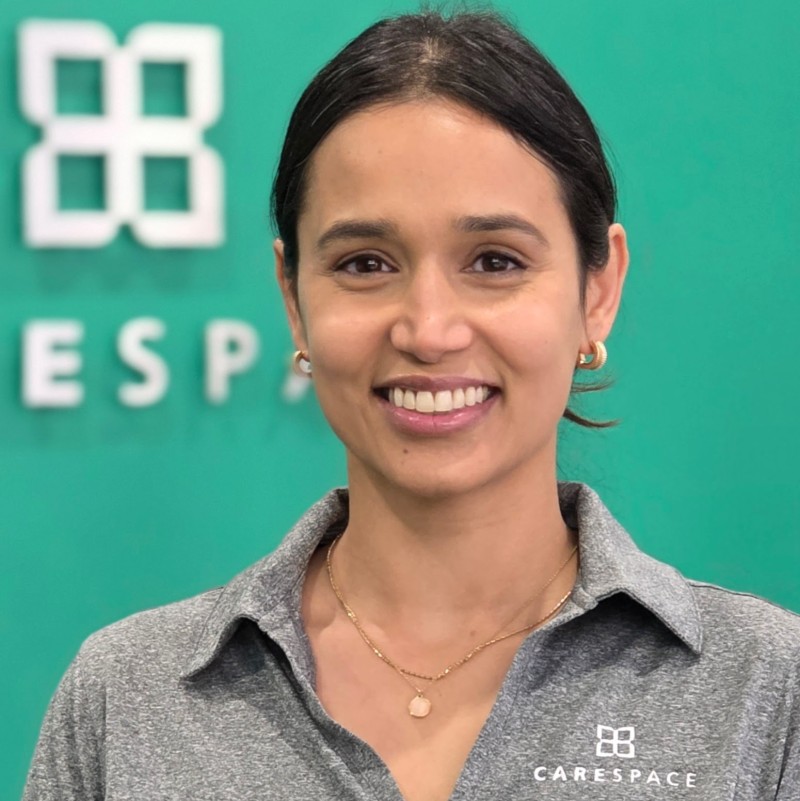
Vipjit Sidhu, MA, MSc, RP
You may be feeling overwhelmed, anxious, emotionally disconnected, or unsure how to support yourself or your child through a challenging time. You might be noticing patterns in your reactions, your relationships, or within your family, and wanting to respond differently without guilt or self-blame. Therapy can offer a space to slow things down, make sense of what’s happening, and begin to shift these patterns with care.
Vipjit Sidhu is a Registered Psychotherapist who works with children, adolescents, adults, and families navigating anxiety, emotional overwhelm, identity concerns, and life transitions. She brings a strong foundation in child, adolescent, and family mental health, with an understanding of how emotional struggles often develop within relationships, culture, and intergenerational experiences.
Vipjit holds a Master of Arts in Counselling Psychology and a Master of Science in Child, Adolescent, and Family Mental Health. She is a Certified Circle of Security Facilitator, supporting parents and caregivers in better understanding their child’s emotional needs, strengthening secure attachment, and responding with greater confidence and compassion. Her work is informed by Emotion-Focused Therapy, Internal Family Systems–informed approaches, and evidence-based strategies for emotional regulation and nervous-system support.
Therapy is collaborative, thoughtful, and paced with intention. Vipjit works with adults individually, with parents and caregivers, and with families when appropriate, helping clients build insight, strengthen connection, and gently break patterns that no longer serve them. She collaborates with other CareSpace providers and external professionals to ensure care feels coordinated and aligned with each client’s goals.
Clients often choose Vipjit for her warmth, clinical depth, and cultural sensitivity. As a South Asian therapist offering services in English and Punjabi, she provides a space where South Asian women and families can explore anxiety, identity, boundaries, and intergenerational expectations without having to over-explain or minimize their experience.