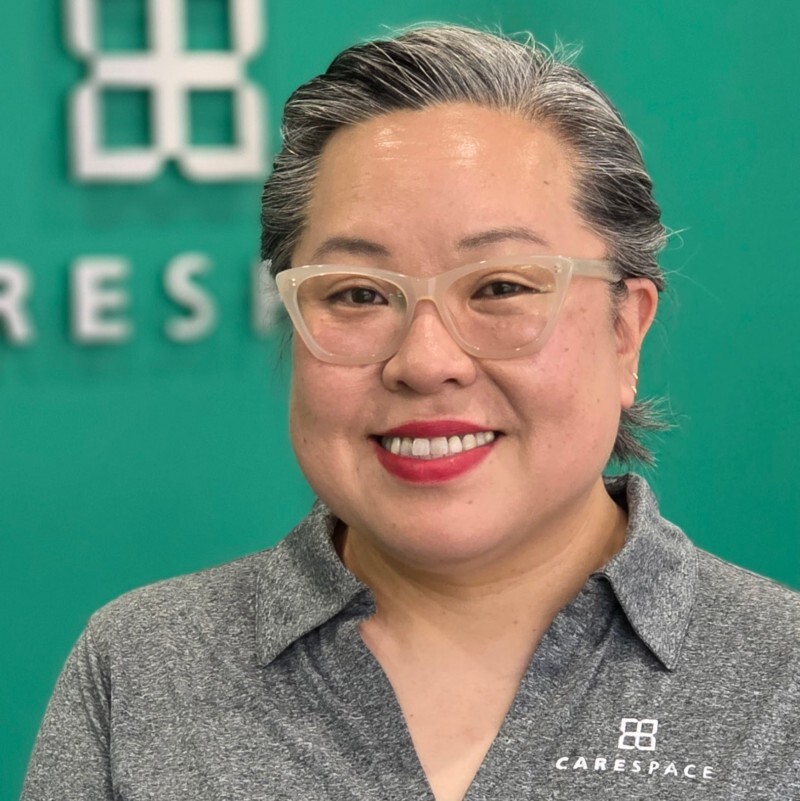
Anne Park, MA, MDiv, RP (Qualifying)
When you feel pulled between old pain, present pressure, and the life you want to build, Anne Park, MA, MDiv, RP (Qualifying) helps you find a way forward.
If you’re searching for counselling in Waterloo, you’re probably not looking for generic advice or a therapist who rushes past the deeper story. You want someone who can help you make sense of what feels tangled—whether that is trauma that still shapes your reactions, addiction that has become hard to manage alone, a major life transition that has left you unsteady, or the quiet exhaustion of carrying too much for too long. Anne Park, MA, MDiv, RP (Qualifying) brings a rare combination of clinical training, trauma-informed psychotherapy, and real-world experience supporting people through some of life’s hardest seasons. Her background in correctional settings, community outreach, and substance-use support means she does not flinch in the face of complexity. Instead, she helps you slow things down, understand what is happening beneath the surface, and begin moving toward change that feels honest, sustainable, and truly yours.Anne Park, MA, MDiv, RP (Qualifying) offers comprehensive psychotherapy with special depth in trauma, addiction, and life transitions.
As a Registered Psychotherapist (Qualifying), Anne works with a wide range of concerns that bring people to therapy: anxiety, repeated unhealthy patterns, relationship strain, identity questions, emotional overwhelm, and seasons when life simply does not feel manageable in the way it once did. At the same time, she brings added depth to the issues that can feel especially isolating—trauma, addiction, and major life change. That combination matters. It means you are not being fit into a narrow specialty box, and you are not being handed a one-size-fits-all approach either. Anne’s work is grounded in evidence-based counselling and shaped by a practical understanding of how past experiences, family dynamics, culture, faith, environment, and stress can all influence the way you cope. The result is therapy that respects your full story while still giving you clear direction, useful tools, and a steady therapeutic relationship you can rely on.Your first sessions with Anne are meant to help you feel understood, not judged, while building a plan that fits your pace and your life.
With Anne, therapy begins by looking at more than the problem that brought you in today. She pays attention to what is hurting now, what patterns may be repeating, what strengths have helped you survive, and what deeper goals matter most to you. That wider lens can be especially helpful when you have been living in survival mode for a long time and are not sure where to begin. Anne draws from CBT, Solution-Focused Therapy, Internal Family Systems, and family systems work, all within a trauma-informed framework. In practice, that means your psychotherapy can be structured when you need clarity, reflective when you need space, and gently exploratory when there is more beneath the surface than words can capture right away. You can expect collaboration instead of pressure, curiosity instead of assumptions, and a care plan that evolves as you do. Because she works within CARESPACE’s coordinated model, Anne can also support you as part of the interdisciplinary team at CARESPACE Weber North, helping your care stay connected when more than one kind of support would benefit you.Her graduate education, supervised psychotherapy experience, and years of frontline support work give Anne the depth to meet both emotional pain and practical reality.
Anne holds a Master of Divinity in Clinical Counselling from Tyndale University and a Master of Arts in Theological Studies from Regent College. That academic foundation is strengthened by focused study in family systems theory, counselling research, psychopathology, cross-cultural perspectives, and gender and socio-economic influences in therapy—areas that help her see people in context rather than through a narrow lens. During her internship at PsyMontreal, she completed more than 270 direct therapy hours and 72 hours of supervised practice, primarily using CBT, while also serving in a care-coordination role that sharpened her ability to communicate clearly and keep support organized. Her additional training includes a Certificate in Brief Coaching through the University of Toronto and relapse prevention training through Genesis Coach Training. Long before entering formal psychotherapy practice, Anne spent years supporting women in jails and prisons, walking with people affected by substance use, and helping individuals navigate re-entry, instability, and complex life circumstances. That background gives her therapy both heart and backbone: warmth, yes, but also steadiness, structure, and respect for how difficult change can be in the real world.If trauma, addiction, or a major life transition has changed the way you see yourself, Anne helps you rebuild safety, clarity, and momentum without losing sight of the whole person you are.
In addition to offering broad psychotherapy for many of the struggles that bring people to therapy, Anne brings particular depth to trauma-informed care. Trauma does not always look dramatic from the outside. Sometimes it shows up as hypervigilance, shutdown, shame, people-pleasing, emotional reactivity, relationship difficulty, or a nervous system that never seems to fully relax. Anne’s approach helps you understand these responses not as personal failures, but as adaptations that once made sense. Using trauma-informed therapy, CBT, Internal Family Systems, and family systems work, she helps you notice patterns with compassion, develop safer ways to respond, and reconnect with the parts of yourself that may have been buried under survival.Her experience also gives her unusual credibility in addiction work. Addiction is rarely just about willpower. It often lives at the intersection of pain, stress, loneliness, learned coping, and environments that make change harder. Anne has supported people affected by substance use in both community and correctional contexts, and her relapse prevention training adds practical depth to that work. In therapy, this can mean helping you understand what a behaviour has been doing for you, identifying the triggers and unmet needs around it, and building realistic strategies that support lasting change rather than short-lived guilt.
Life transitions are another area where Anne’s work stands out. A transition can be chosen or unwanted: the end of a relationship, a shift in faith or identity, a move, a caregiving role, a change in work, recovery after a difficult season, or the feeling that the life you have been living no longer fits. These moments can stir grief, confusion, fear, and self-doubt—even when they also carry hope. Anne helps you slow the process down enough to hear yourself clearly again. Together, you can sort through what needs to be released, what still matters, and what kind of next chapter feels aligned with your values. That is where her therapy becomes especially powerful: not just helping you cope, but helping you move forward with more self-understanding, more freedom, and more trust in your own voice.