

Relationship Counselling in Kitchener, Waterloo & Cambridge
The problem is rarely the thing you keep arguing about.
A CARESPACE relationship counsellor looks at the patterns underneath the surface, not just the issue in front of you, to find what is actually driving the disconnection. Confidential sessions, one therapist who stays with you, a space where both of you are heard.
Open 7 days a week. Weekdays 8am–8pm, weekends 8am–6pm. No referral needed.
Or call (519) 208-2273 – a real person answers.
People across Kitchener, Waterloo and Cambridge come to CARESPACE for relationship counselling.
Why Choose a CARESPACE Relationship Counsellor
Choose Your CARESPACE Counsellor
Simply choose the best counsellor near you to get started and book your first appointment.
Relationship counselling works best when both partners trust the person in the room. That starts with knowing your counsellor is a regulated professional, accountable to a governing college, not someone who simply calls themselves a relationship expert.
Registered Psychotherapists and Social Workers
Every counsellor at CARESPACE is a Registered Psychotherapist or Registered Social Worker, regulated by their provincial college and held to a protected scope of practice, training standard, and code of ethics. Your receipt shows your therapist’s name and registration number.
One Therapist Who Knows Both of You
You work with the same counsellor throughout, someone who holds the history of both partners rather than taking sides. Sessions are private and confidential, and your first appointment focuses on understanding what is happening between you and where you want to get to.
Open 8am–8pm Weekdays and 8am–6pm Weekends
CARESPACE clinics across Kitchener, Waterloo and Cambridge are open seven days a week, including evenings and weekends, in person or online through TeleCARE. You do not have to rearrange work to get support.
Counselling Coordinated With the Rest of Your Care
If stress, sleep or health is feeding the tension at home, your counsellor can bring in another CARESPACE professional, a naturopathic doctor, a mental performance consultant, a dietitian, who already understands your situation. One record, one team, one building. A solo practitioner can refer you out; they cannot do this.
Find a Relationship Counsellor Near You

Live-answer Reception
Please call us at (519) 208-2273 to talk with our live-answer Reception Team who will be happy to book, reschedule appointments or answer any of your questions, or book online now.
Open 7-days a week!
Monday–Friday: 8 AM–8 PM
Saturday–Sunday: 8 AM–6 PM
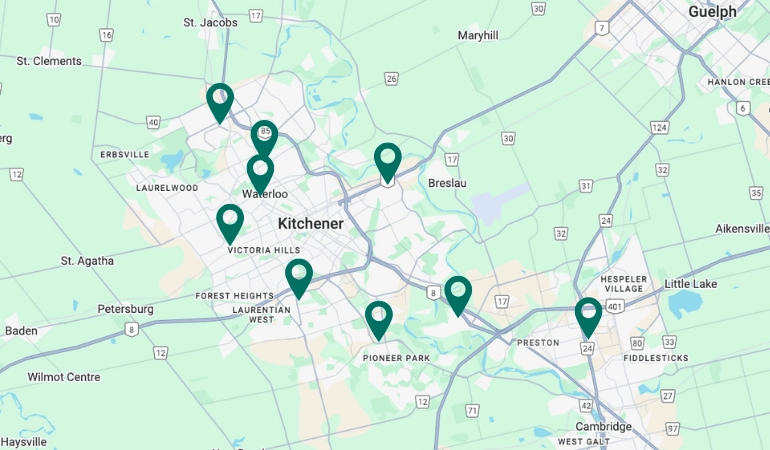
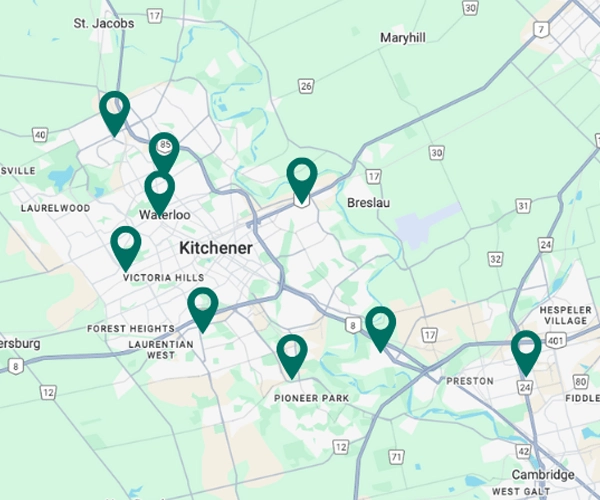
Kitchener Relationship Counselling Clinics
CARESPACE has five clinics in Kitchener offering relationship counselling, with appointments seven days a week.
Waterloo Relationship Counselling Clinics
CARESPACE has three clinics in Waterloo offering relationship counselling, including Uptown and the Weber Street corridor providing convenience anywhere in the city.
Cambridge Relationship Counselling Clinics
CARESPACE offers relationship counselling in Cambridge at our Hespeler Road clinic, open seven days a week. Our Deer Ridge location sits on the border of Kitchener and Cambridge providing convenient access to the communities of Preston and Blair.
Kitchener Relationship Counsellors

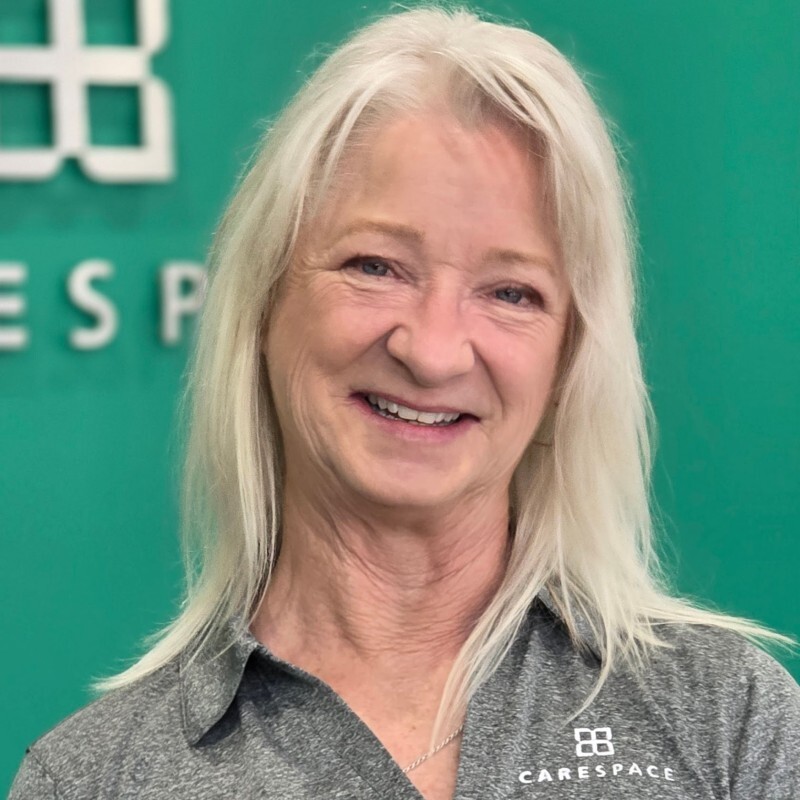
Psychotherapist
Kitchener – Fischer-Hallman


Psychotherapist
Kitchener – Fischer-Hallman
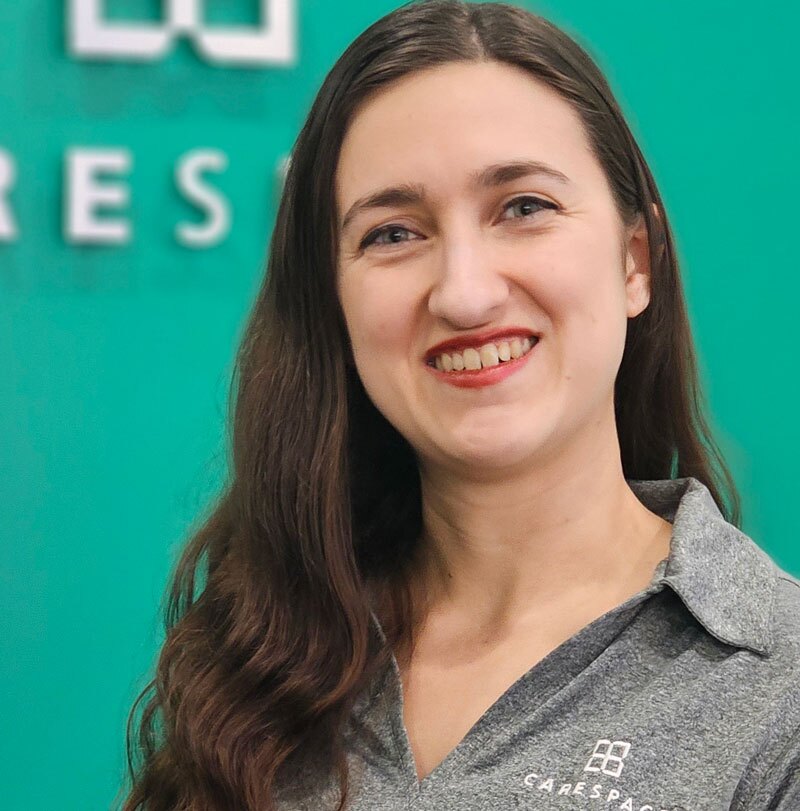

Psychotherapist
Kitchener - Westmount East

Psychotherapist
Clinical Director
Kitchener – Fischer-Hallman
Waterloo Relationship Counsellors

Psychotherapist
Waterloo - Waterloo GoodLife
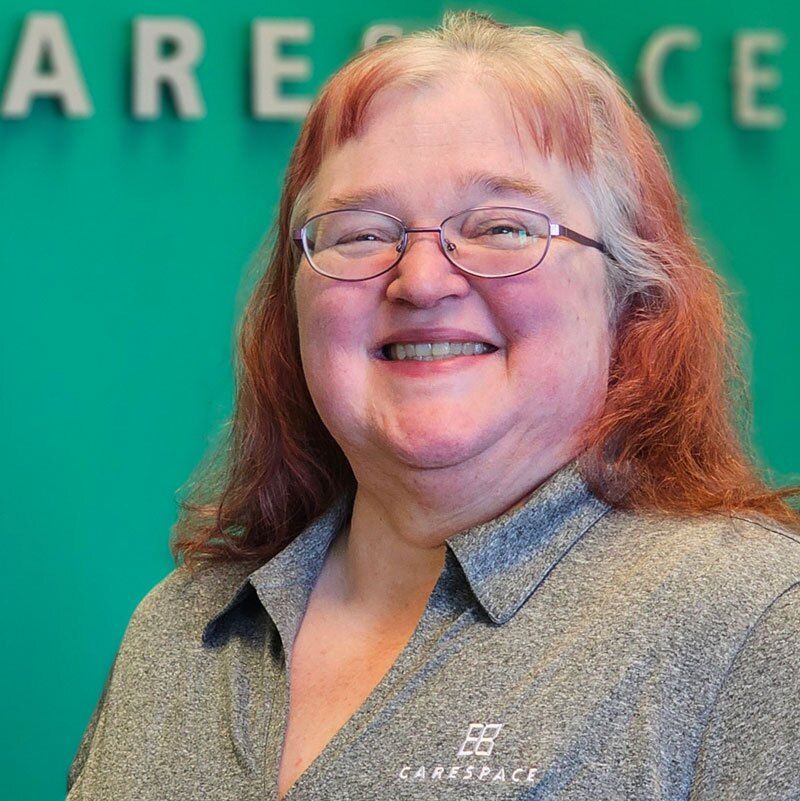

Cambridge Relationship Counsellors

Psychotherapist
Cambridge - Hespeler Road
Prefer to talk to someone? Our live answer reception team is happy to help. Please call us at (519) 208-2273.
What Happens at Your First Relationship Counselling Appointment
Your first visit follows the same steps with every CARESPACE counsellor.
1. Understanding What Brought You In
Your counsellor spends real time on your story: what is happening between you now, how long it has been building, and the history you each bring to the relationship, including your families and past relationships. What shows up as one recurring argument often traces back to patterns set long before you met.
2. Hearing From Both of You
Both partners get space to describe how things feel from where they sit, without one person’s version becoming the official one. Your counsellor pays attention not just to what you disagree about, but to how you talk to each other when you do. Sessions are private and confidential, and no one is put on trial.
3. A Clear Picture of the Pattern
Your counsellor explains, in plain language, the cycle the two of you keep getting caught in, the moves and counter-moves that pull you apart. You should leave the first session understanding why the same fight keeps happening, not just that it does.
4. Starting the Work the Same Day
You do not just talk about the problem and book again. Your counsellor introduces a first practical step, often a way of communicating or de-escalating that you can try right away, so you leave with something to work with, not only a diagnosis of what is wrong.
5. A Plan You Can Follow
You leave with a sense of direction: what you are working on together, roughly how often to come in, and what to practise between sessions. Your counsellor will also be honest if couples counselling is not the right fit, or if individual therapy or another kind of support would serve you better first.
Why Would Someone See a Relationship Counsellor?
People see a relationship counsellor when the same argument keeps coming back, when they feel more like roommates than partners, or when talking it out on their own has stopped working. Relationship counselling is most useful for communication that keeps breaking down, recurring conflict, drifting apart or loss of intimacy, rebuilding trust after a betrayal, navigating a major change like a new baby, a move or a blended family, and deciding whether to stay together or separate well.
Because a counsellor looks at the relationship as a whole rather than at who is right, it is also a reasonable option when you cannot agree on what the problem even is, when the same issue resurfaces no matter how many times you settle it, or when you are functioning fine on the surface but something between you feels off.
Is It Better to See a Counsellor Together or on Your Own?
Neither is better in general; they do different work. Couples counselling has both partners in the room and focuses on what happens between you, the patterns, the communication, the cycle you get stuck in. Individual counselling gives one person space to work on their own feelings, history and reactions, which then change how they show up in the relationship. Choose couples counselling if the two of you are willing to work on the relationship together and both can take part. Choose individual counselling if your partner is not ready, if you want to sort out your own part first, or if what you are carrying feels too raw to open up with them in the room yet. At CARESPACE you can do both, and where it helps, your counsellors can coordinate rather than work in isolation.
What Is Relationship Counselling?
Relationship counselling is a form of psychotherapy that helps two people understand and change the patterns that shape how they relate to each other. Rather than deciding who is right, the counsellor works with the relationship itself: how you communicate, how you handle conflict, and how you connect, so the two of you function better together.
The Core Idea
Most relationship problems are not caused by the surface issue being argued about. They come from the cycle underneath it, the repeated moves and reactions two people fall into when they feel unheard, criticized or disconnected. Once a couple can see that cycle clearly, they can start to interrupt it, which is why counselling focuses on the pattern between you rather than on winning individual arguments.
Approaches Your Counsellor May Use
Emotionally Focused Therapy (EFT), which works with the emotions and attachment needs underneath conflict to rebuild connection. The Gottman Method, which builds practical skills for managing conflict, deepening friendship and handling the differences that will not fully resolve. Cognitive Behavioural approaches, which target the unhelpful thoughts and behaviours that fuel a cycle. Communication and conflict-resolution work, learning to express needs and hear your partner without escalating. Your counsellor draws on what fits your situation rather than applying one method to everyone.
Registered Psychotherapist, Social Worker, Psychologist? What the Titles Mean in Ontario
Unlike some wellness services, relationship counselling in Ontario is delivered by regulated professionals, which means your counsellor is accountable to a governing college and held to a training standard, a scope of practice, and a code of ethics.
A Registered Psychotherapist (RP) is regulated by the College of Registered Psychotherapists of Ontario (CRPO) and trained specifically in delivering psychotherapy, including work with couples.
A Registered Social Worker (RSW) is regulated by the Ontario College of Social Workers and Social Service Workers (OCSWSSW) and often works in counselling, relationships and family dynamics.
A Psychologist holds a protected title regulated by the College of Psychologists and Behaviour Analysts of Ontario and can also formally diagnose mental health conditions.
The titles “counsellor” and “therapist” on their own are not protected in Ontario, so anyone can use them. What matters is the regulated credential behind the title. Every counsellor at CARESPACE is a Registered Psychotherapist or Registered Social Worker. Ask anyone you are considering which college they are registered with.
What the Research Says About Relationship Counselling
Relationship counselling has one of the stronger evidence bases in therapy, though results vary by approach and by how engaged both partners are. Here is what the research currently supports.
Overall Effectiveness
Well established. Across evidence-based couples therapies, roughly 70 to 75% of couples who complete treatment report meaningful improvement in their relationship, and the effect sizes are medium to large. The gains are real, but they depend heavily on both people taking part.
Emotionally Focused Therapy (EFT)
The strongest evidence. A comprehensive meta-analysis of EFT found about 70% of couples were symptom-free at the end of treatment, with medium-to-large improvements in relationship functioning. Its results also tend to hold up better over time than older approaches.
Durability
Reasonably good, with a caveat. EFT’s gains have been maintained at two-year follow-up in the research. Across couples therapy more broadly, though, an estimated 30 to 50% of couples experience some relapse within two years, which is why the earlier you come in and the more you practise between sessions, the better the odds of the change lasting.
Constant Conflict
Well supported. Gottman’s research on thousands of couples found that most recurring conflict is never fully “solved,” and that what protects a relationship is how couples handle those differences, not whether they eliminate them. Counselling that targets the pattern rather than the topic is working from that finding.
Safety and Limits
Relationship counselling is talk-based and low risk. It is most effective when both partners attend willingly and are not in acute crisis. It is not the right first step where there is active abuse, untreated addiction or one partner has already decided to leave, and a good counsellor will say so and point you toward the right support instead.
Is Relationship Counselling Covered by Benefits?
Often, yes. Because CARESPACE counsellors are Registered Psychotherapists or Registered Social Workers, their services are covered by most extended health plans, usually under a psychology, psychotherapy or counselling benefit. Coverage and limits vary by plan, so check yours for the details. OHIP does not cover relationship counselling.
You do not need a physician referral. You pay at your appointment and we give you an itemized receipt showing your therapist’s name and registration number, everything your insurer needs to reimburse you.
Relationship Counselling FAQ
Do we need a referral for relationship counselling?
No. You can book directly with our team. No physician referral is required.
What if my partner will not come?
You can still start on your own. Individual work on a relationship is common and useful, and one partner changing how they respond often shifts the dynamic. Your counsellor can talk with you about bringing your partner in later if and when they are ready.
How long are sessions, and how many will we need?
Most people come for a series of sessions over several weeks or months rather than a single visit, since changing a pattern takes practice. Your counsellor will give you a sense of what to expect after the first appointment. There is no fixed number; it depends on what you are working on and how it goes.
Will the counsellor take sides?
No. Your counsellor is not there to judge who is right. Their job is to help both of you understand the cycle you get stuck in and change it, which means staying fair to both partners rather than refereeing.
Is what we say confidential?
Yes. Sessions are private and confidential, within the standard legal limits every regulated therapist works under. Your counsellor will explain those limits at the start.
Is relationship counselling only for couples in crisis?
No. Plenty of couples come in while things are basically good, to communicate better, navigate a big change, or reconnect. Coming in earlier, before problems harden, tends to make the work easier and shorter.
Can we see a counsellor and another CARESPACE professional at the same time?
Yes. If stress, sleep, health or another issue is feeding the tension, your counsellor can coordinate with another CARESPACE practitioner who already understands your situation, so your care works together.
Is relationship counselling covered by benefits?
Often, yes. Because our counsellors are Registered Psychotherapists or Registered Social Workers, most extended health plans cover their services under a psychology, psychotherapy or counselling benefit. Coverage varies by plan, so check yours. We provide itemized receipts with your therapist’s registration number for easy submission.
Book a Relationship Counsellor in Kitchener, Waterloo or Cambridge

Choose your counsellor and your clinic, and book online in under a minute. Open seven days a week, weekdays 8am–8pm and weekends 8am–6pm. No referral needed, and you will get an insurance receipt at your appointment.
or call (519) 208-2273 and speak to our reception team.