Skip to content

Articles for Your Health and Wellness

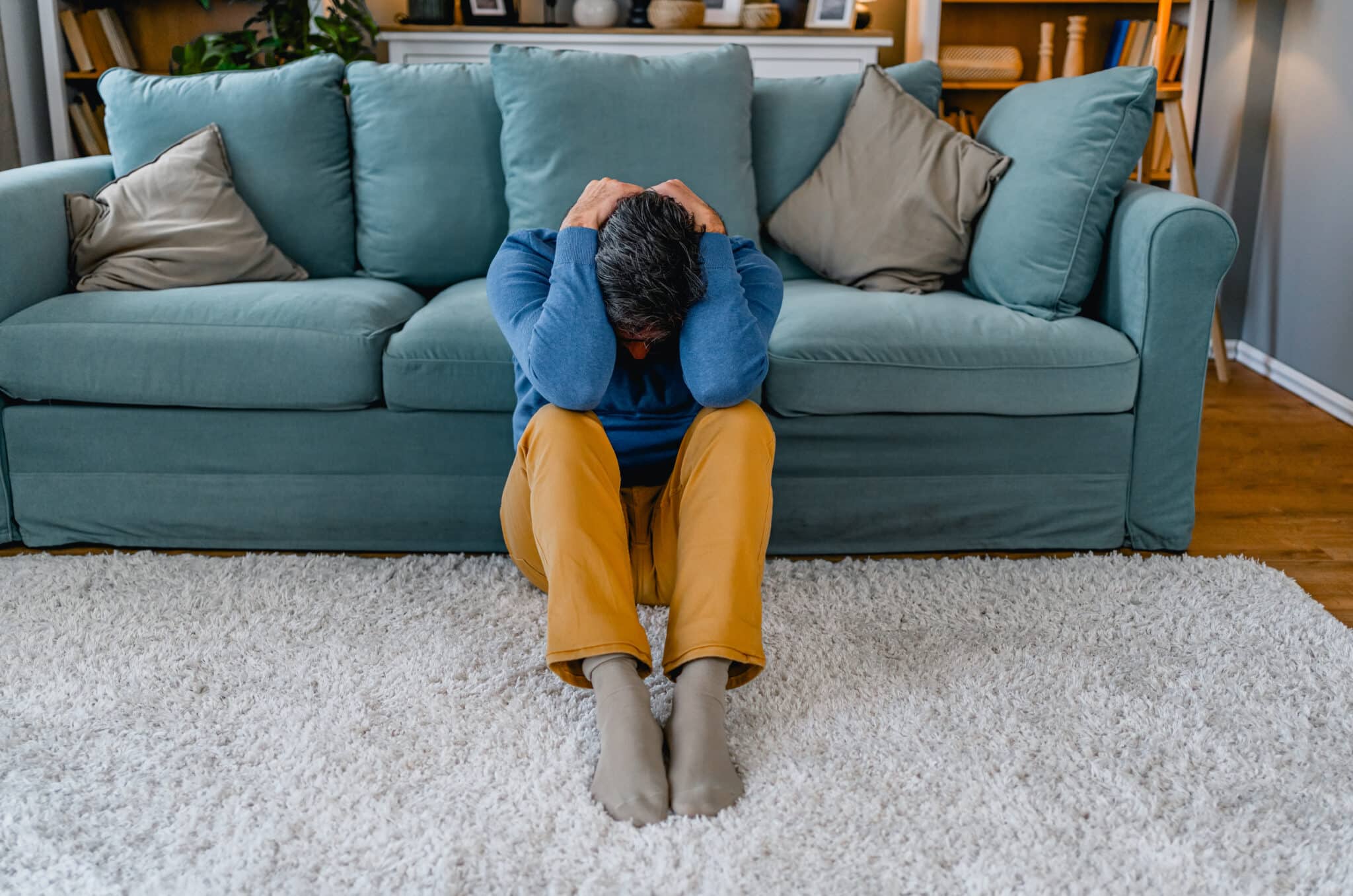
Does Anger Go Away on Its Own?

Does Anger Go Away on Its Own?

Anger is a natural emotion that we all experience at some point in our lives. Whether it’s frustration over a traffic jam or feeling hurt by someone’s words, anger is a powerful and sometimes overwhelming feeling. But does anger go away on its own, or do we need to actively

Read More
Does Glute Strain Hurt When Resting?

Does Glute Strain Hurt When Resting?

A glute strain can be a painful experience, especially if you’re an athlete or fitness enthusiast. It occurs when you overwork or overstretch the gluteal muscles, which can result in pain, tenderness, and difficulty moving your hip. But what happens when you rest? Do the symptoms subside, or is the

Read More
Can Dehydration Make AC Joint Strains Worse?

Can Dehydration Make AC Joint Strains Worse?

The acromioclavicular (AC) joint is a crucial component of the shoulder complex, connecting the collarbone (clavicle) to the shoulder blade (acromion). AC joint strain, often caused by trauma or overuse, can lead to discomfort, limited mobility, and reduced quality of life for sufferers. While the treatment of AC joint strain

Read More
Does Sleeping Heal Fibromyalgia?

Does Sleeping Heal Fibromyalgia?

Fibromyalgia is a complex condition characterized by widespread musculoskeletal pain, fatigue, sleep disturbances, and mood issues. It affects millions worldwide, with its exact cause still elusive. Among the many factors implicated in fibromyalgia, sleep disturbances often stand out as a significant contributor to its onset and exacerbation. But does sleep

Read More
Spinal stenosis can be a debilitating condition that causes pain, numbness, and weakness in the back, neck, arms, or legs. It occurs when the spaces within your spine narrow, putting pressure on the nerves that run through it. If you've been diagnosed with spinal stenosis, you may be wondering how to find relief from your symptoms. In this guide, we'll explore two common treatment options: physiotherapy and chiropractic care. Physiotherapy is a non-invasive treatment option that focuses on improving mobility and function through targeted exercises and stretches. A physiotherapist will work with you to develop a personalized treatment plan that addresses your specific symptoms and limitations. They may use techniques such as manual therapy, ultrasound, or electrical stimulation to help alleviate pain and improve range of motion. By strengthening the muscles surrounding your spine, physiotherapy can help reduce pressure on the nerves and improve overall spinal health. Chiropractic care is another popular treatment option for spinal stenosis. Chiropractors specialize in spinal adjustments that aim to realign vertebrae and relieve pressure on the nerves. Through gentle manipulation techniques, chiropractors can help restore proper alignment in the spine and alleviate symptoms such as pain and numbness. Many patients find relief from spinal stenosis through regular chiropractic adjustments combined with other modalities such as massage therapy or acupuncture. In addition to physiotherapy and chiropractic care, there are several lifestyle changes you can make to manage your spinal stenosis symptoms. Maintaining a healthy weight, practicing good posture, and avoiding activities that exacerbate your pain can all help improve your quality of life. Strengthening exercises for the core muscles can also provide support for your spine and reduce strain on the affected area. When considering treatment options for spinal stenosis, it's important to consult with healthcare professionals who specialize in musculoskeletal conditions. Physiotherapists and chiropractors have extensive training in treating spine-related issues and can offer personalized recommendations based on your individual needs. By working closely with these practitioners and following their guidance, you can find relief from spinal stenosis and improve your overall well-being. how do you treat spinal stenosis

How Do You Fix Spinal Stenosis

Spinal stenosis can be a debilitating condition that causes pain, numbness, and weakness in the back, neck, arms, or legs. It occurs when the spaces within your spine narrow, putting pressure on the nerves that run through it. If you’ve been diagnosed with spinal stenosis, you may be wondering how

Read More
Best Ways to Treat Grief and Loss

Best Ways to Treat Grief and Loss

Losing someone you love can be a traumatic and painful experience. It’s not always easy to cope with the intense emotions and overwhelming feelings of sadness that come with grief. However, it’s essential to find healthy ways to handle your grief to help you move on with your life. Grief

Read More
How Do You Know if You Have Lower Back Pain?

How Do You Know if You Have Lower Back Pain?

Lower back pain is a common health issue that affects millions of people worldwide. It can be caused by many factors, including poor posture, muscle strain, injury, or underlying health conditions. If you are experiencing lower back pain, it’s essential to recognize the symptoms and understand when to seek professional

Read More
How to Treat Postpartum Depression

How to Treat Postpartum Depression

Bringing a new life into the world is a beautiful and joyous occasion, but for some women, the period following childbirth can be marked by feelings of sadness, anxiety, and hopelessness. This condition is known as postpartum depression, and it affects approximately 1 in 7 women. While it can be

Read More
What Causes Bullying?

What Causes Bullying?

Bullying is a widespread issue that affects individuals of all ages, backgrounds, and walks of life. While bullying behaviour can manifest in various forms, such as physical, verbal, or cyberbullying, it is crucial to understand the underlying factors that contribute to this harmful behaviour. In this blog post, we will

Read More
How Do You Stop TMJ From Progressing?

How Do You Stop TMJ From Progressing?

Temporomandibular Joint disorder (TMJ) may sound like a mouthful, but it is more common than you think. It is a condition that affects the joints responsible for mouth movement. TMJ can be caused by numerous factors such as misaligned teeth, teeth grinding, arthritis, and stress. If not treated, the condition

Read More