
Cole Salmon, BSc (Hons), MACP, RP (Qualifying)
You may look like you’re managing life, but inside you know something needs to change
You might be overthinking every conversation, feeling overwhelmed by anxiety or ADHD, trying to set boundaries without guilt, or carrying grief that keeps showing up in quiet moments. On the outside, you may be getting through the day. Inside, you may feel stuck, drained, disconnected from yourself, or unsure how to move forward.Cole Salmon, BSc (Hons), MACP, RP (Qualifying), is a Registered Psychotherapist (Qualifying) at CARESPACE Victoria North who offers a warm, grounded space to slow down, understand what is happening beneath the surface, and build practical tools for meaningful change. When you are looking for counselling in Kitchener, Cole brings a thoughtful blend of evidence-based therapy, emotional steadiness, and genuine curiosity about your story. His work is especially supportive if you are navigating anxiety, ADHD-related challenges, grief, stress, life transitions, low mood, relationship strain, overwhelm, or patterns of people-pleasing and self-criticism that have become hard to untangle on your own.
Cole Salmon, BSc (Hons), MACP, RP (Qualifying), helps you feel understood while giving you practical tools for change
Cole Salmon, BSc (Hons), MACP, RP (Qualifying), provides comprehensive psychotherapy support for adults and youth facing a wide range of emotional, relational, and life stress concerns. His approach begins with the belief that therapy should feel collaborative rather than intimidating. You are not coming in to be judged, labelled, or told what to do. You are coming in to better understand yourself, make sense of your patterns, and find a way forward that fits your values, your needs, and your real life.Cole brings particular focus to Acceptance and Commitment Therapy, Solution-Focused Brief Therapy, and Cognitive Behavioural Therapy, while also drawing from DBT-informed skills, Narrative Therapy, Gestalt, Person-Centered therapy, motivational interviewing, strengths-based care, and trauma-informed practice. That range matters because no two people arrive with the same history, coping style, or definition of progress. Cole’s role is to help you find what works for you.
Your work with Cole is collaborative, steady, and focused on what feels possible now
In counselling with Cole, you can expect a calm, thoughtful conversation that balances emotional exploration with practical next steps. He listens closely, asks questions that help you notice patterns, and works with you to identify what feels most important to address first. Some sessions may focus on understanding emotions, thoughts, or relationship dynamics. Others may involve skills for grounding, boundary-setting, self-compassion, communication, ADHD-related overwhelm, or moving through grief without feeling alone in it.Cole’s care fits naturally within the CARESPACE model of coordinated, person-focused support. When helpful and with your consent, he can collaborate with other healthcare providers so your mental, emotional, and physical well-being are supported together rather than treated as separate parts of your life. At CARESPACE Victoria North, this means your therapy can be part of a broader plan that respects your whole story, not just the concern that brought you in.
Cole’s formal training and community experience give you both clinical structure and human understanding
Cole completed a Master of Arts in Counselling Psychology through Yorkville University after earning an Honours Bachelor of Science in Psychology from Trent University, where he achieved Dean’s List standing across completed semesters. He is registered with the College of Registered Psychotherapists of Ontario as a Registered Psychotherapist (Qualifying) and is also a member of the Canadian Counselling and Psychotherapy Association.During his master’s practicum at Georgian College, Cole provided psychotherapy to post-secondary students within CRPO, CCPA, and institutional ethical frameworks, with attention to culturally responsive and equity-informed care. He used structured tools such as the BDI, GAD-7, and PSS-10 to inform care planning and track change, while also integrating feedback into the therapeutic process. His experience in accessibility services at Georgian College further shaped his understanding of academic stress, accommodations, neurodiversity, emotional overwhelm, and the importance of meeting people with patience and respect. Cole has also completed training related to empathy strain, suicide awareness, and Applied Suicide Intervention Skills Training, adding important depth to his ability to respond thoughtfully when distress feels intense.
His areas of focus help you move from overthinking and overwhelm toward values-based action
While Cole works with a wide range of concerns, his areas of focus are especially relevant when you feel caught between knowing what you want to change and not knowing how to begin. Acceptance and Commitment Therapy can help you notice difficult thoughts and emotions without letting them run your life. Instead of fighting every anxious thought, avoiding every painful feeling, or waiting until you feel “ready,” you and Cole can explore what matters most to you and what small, values-based actions can help you move toward it.Solution-Focused Brief Therapy offers a practical path when everything feels too big. Rather than spending every session stuck in what is wrong, Cole can help you identify what is already working, where exceptions exist, and what the next manageable step could look like. This can be especially helpful when stress, grief, life transitions, or relationship challenges make the future feel unclear.
Cognitive Behavioural Therapy can support you in understanding how thoughts, emotions, behaviours, and physical sensations interact. If anxiety tells you to avoid, ADHD makes tasks feel impossible to start, or self-criticism keeps you replaying the same moment again and again, CBT strategies can help you slow the cycle down and respond with more choice. Cole may also incorporate DBT-informed skills when emotions feel intense, boundaries feel difficult, or you need tools for distress tolerance, grounding, and interpersonal effectiveness.
Progress in this work is not about becoming a different person. It is about noticing your patterns sooner, responding to yourself with more compassion, communicating with more clarity, and building a life that feels more aligned with who you are and what you value.
Cole’s work with young people and community programs shaped the steady presence he brings into therapy
Before becoming a psychotherapist, Cole worked as a Case Worker with Big Brothers Big Sisters, where he developed and adapted programming for mentees, supported young people through emotional and behavioural challenges, and helped introduce coping strategies in accessible, supportive ways. He also delivered a mental health and suicide prevention presentation to staff, mentors, and caregivers. That experience continues to shape his grounded, non-judgmental presence and his respect for the many different ways people grow, heal, and find their footing.Book with Cole today so you can stop carrying everything alone
If you are ready to feel less overwhelmed, understand your patterns, and build tools that fit your life, book an appointment with Cole Salmon today.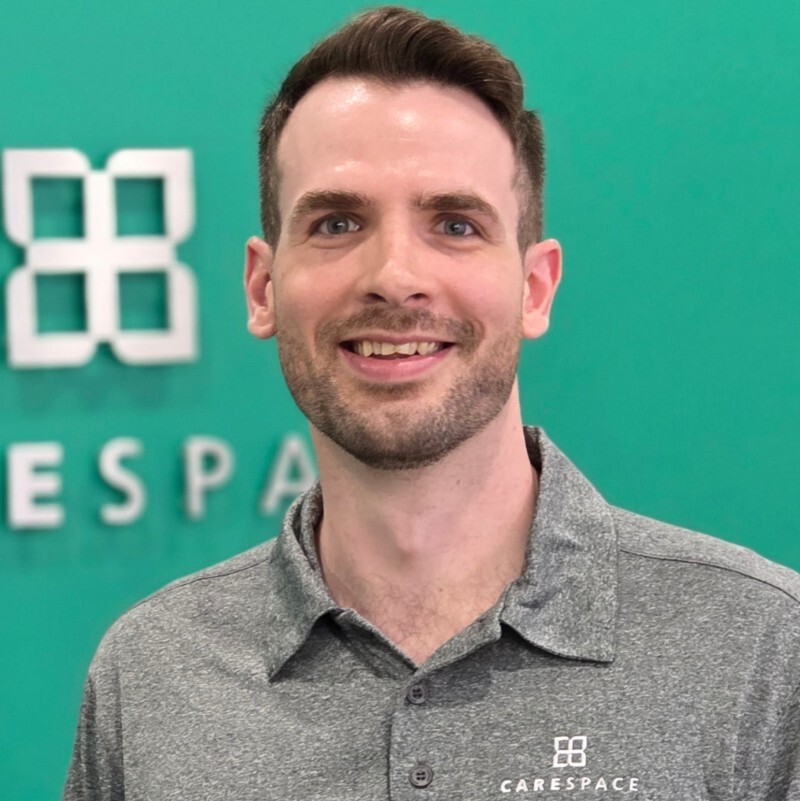
Cole Salmon, BSc (Hons), MACP, RP (Qualifying)
Psychotherapist
CARESPACE Victoria North