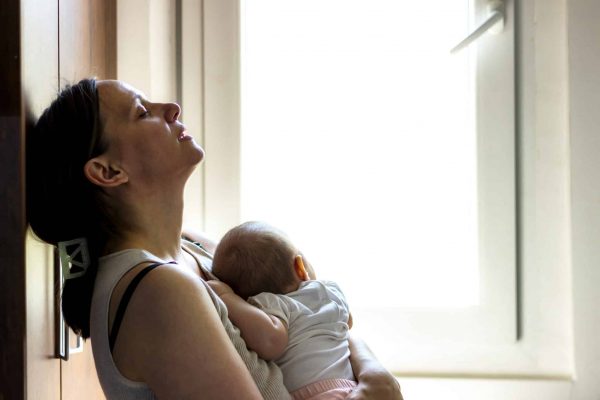
Welcoming a new baby into the world is supposed to be a joyous occasion but for many women the postpartum period can be incredibly challenging. Postpartum depression is a common but often misunderstood condition that affects many new mothers. In this blog post, we will explore what postpartum depression feels like and how psychotherapy can help.
Postpartum depression can manifest in a variety of ways but some common symptoms include feelings of sadness, hopelessness, irritability and anxiety. Many women also experience changes in their sleeping and eating patterns as well as difficulty bonding with their baby. The hormonal changes that occur after giving birth can contribute to these feelings but other factors such as lack of support, sleep deprivation and past trauma can also play a role.
One of the most challenging aspects of postpartum depression is the isolation that many women feel. It can be difficult to reach out for help when you are struggling with your mental health while also caring for a newborn. This is where psychotherapy can be incredibly beneficial. A trained therapist can provide a safe space for you to explore your thoughts and feelings without judgment.
Psychotherapy can help you identify the underlying causes of your postpartum depression and develop coping strategies to manage your symptoms. Cognitive-behavioural therapy (CBT) is one approach that is effective in treating postpartum depression. CBT helps you challenge negative thought patterns and develop healthier ways of thinking.
In addition to individual therapy group therapy can also be helpful for women struggling with postpartum depression. Connecting with other new mothers who are going through similar challenges can provide much-needed support and validation. Group therapy can also help you build social connections and combat feelings of isolation.
Postpartum depression is a serious condition that requires treatment, but it is important to remember that you are not alone in your struggle. Psychotherapy offers a safe and supportive environment where you can explore your thoughts and feelings and learn healthy coping strategies. If you are experiencing symptoms of postpartum depression don’t hesitate to reach out for help. Remember, there is light at the end of the tunnel, and with the right support, you can overcome this challenging time in your life.