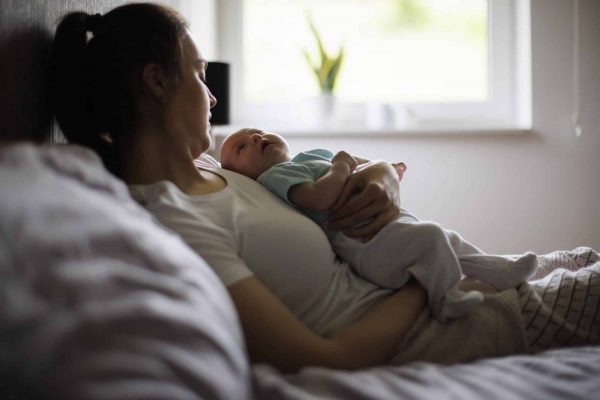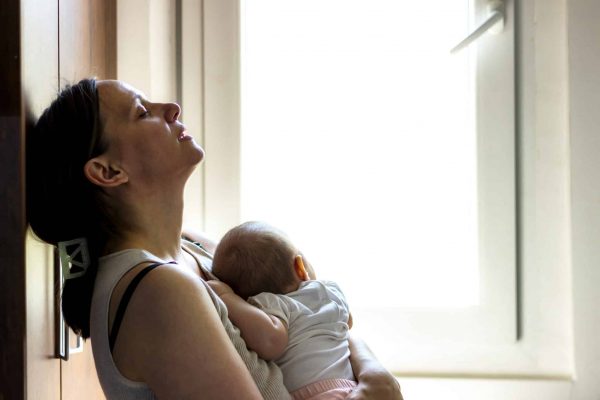
Pregnancy and childbirth are some of the most beautiful moments in a woman’s life. However, they can also bring significant changes to a woman’s mental and emotional state. Postpartum depression is a condition that many women experience after giving birth and it can be incredibly difficult to deal with. However understanding the underlying causes of postpartum depression can help you seek the right kind of support and treatment. In this article let’s explore the various causes of postpartum depression and how therapy can help.
Hormonal Changes:
Pregnancy and childbirth lead to a lot of hormonal changes in a woman’s body. During pregnancy, the levels of hormones like estrogen and progesterone rise dramatically, and they return to normal levels soon after childbirth. These hormonal fluctuations can lead to mood swings and feelings of sadness or anxiety which can develop into postpartum depression.
Physical Changes:
The physical changes that come with childbirth, such as sleep deprivation, fatigue, and physical pain, can also contribute to postpartum depression. These physical symptoms can make it difficult for women to feel comfortable in their bodies and cause feelings of frustration and helplessness.
Life Changes:
The life changes that come with a new baby can be overwhelming, from the loss of personal freedom to the added responsibility of caring for an infant. These changes can cause significant emotional distress, making women feel isolated, anxious, or depressed.
History of Mental Health Disorders:
Women who have a history of mental health disorders, including depression, anxiety, or bipolar disorder, may be more vulnerable to postpartum depression. These women may need additional support during pregnancy and after childbirth to manage their mental health.
Lack of Support:
Many women may feel unsupported by family and friends, or experience stigma and misunderstanding around postpartum depression. This lack of support can make it challenging to manage symptoms or seek help when needed.
Postpartum depression can be a challenging and isolating condition, but you don’t have to suffer alone. With therapy and support, you can work through the underlying causes of your depression and learn coping strategies that can help you manage your symptoms. Talk therapy, cognitive-behavioral therapy, and other types of counseling can be incredibly effective in helping women deal with postpartum depression. Remember that your mental health is just as important as your physical health, and don’t hesitate to seek help if you need it.