Getting back into a fitness routine after illness can feel both exciting and frustrating. While motivation may be high, the body often needs more time than expected to fully recover. Rushing the process can lead to setbacks, prolonged fatigue, or even reinjury. Incorporating personal training or following a structured plan can help ensure a gradual, individualized return. This approach is key to rebuilding strength, endurance, and confidence safely.
Why a Gradual Return Matters
Illness—whether it’s a mild cold, flu, or something more significant like COVID-19—can lead to deconditioning, a temporary decline in cardiovascular fitness, muscle strength, and overall energy levels. Research shows that periods of inactivity and illness can significantly reduce physical activity levels and functional capacity, making a structured return essential (Movement Foundations Study, 2023) .
Additionally, exercising too soon—especially during active symptoms like fever or chest congestion—can prolong recovery or worsen illness. Experts emphasize that adequate rest is crucial for immune function and overall healing .
When Is It Safe to Start Again?
A general guideline is to wait until major symptoms have resolved before resuming structured exercise. For example:
- Mild illness (e.g., common cold): light activity may resume when symptoms are limited and improving
- Fever, chest symptoms, or significant fatigue: rest until fully resolved
- Viral illnesses like COVID-19: gradual return typically begins 7–14 days after symptoms improve, depending on severity
It’s also important to monitor lingering symptoms such as fatigue, shortness of breath, or elevated heart rate, as these may indicate the need for further recovery time.
Key Principles for Returning to Fitness
1. Start Low and Go Slow
A common recommendation is to begin at ~50% of your pre-illness intensity or volume, then gradually increase every few days as tolerated . This allows your body to adapt without overwhelming your system.
2. Focus on Low-Intensity Movement First
Start with activities like:
- Walking
- Light cycling
- Mobility or stretching work
These forms of movement help restore circulation, joint mobility, and energy levels without placing excessive stress on the body.
3. Monitor Your Body’s Response
Pay attention to how you feel during and after exercise. Warning signs to scale back include:
- Excessive fatigue
- Dizziness or lightheadedness
- Shortness of breath
- Elevated heart rate that does not recover normally
Tracking perceived exertion or energy levels can help guide progression.
4. Progress Gradually
A phased approach is often most effective. Research on post-illness rehabilitation suggests using short progression phases (1–2 weeks), adjusting intensity and volume based on tolerance and recovery .
For example:
- Week 1: Light activity (walking, mobility)
- Week 2: Add light resistance or short cardio sessions
- Week 3+: Gradually reintroduce moderate intensity
5. Prioritize Recovery
Sleep, hydration, and nutrition play a critical role in rebuilding strength and energy. Illness can place stress on multiple body systems—including cardiovascular and muscular—making recovery strategies just as important as the exercise itself .
Common Mistakes to Avoid
- Jumping back into high-intensity workouts too soon
- Ignoring lingering fatigue or symptoms
- Trying to “make up for lost time”
- Skipping rest days
These approaches often delay progress rather than accelerate it.
The Mental Side of Returning
It’s normal to feel discouraged if your fitness level isn’t where it was before. However, this phase is temporary. A gradual rebuild not only restores physical capacity but can also improve long-term resilience and awareness of your body’s limits.
How CARESPACE Can Help
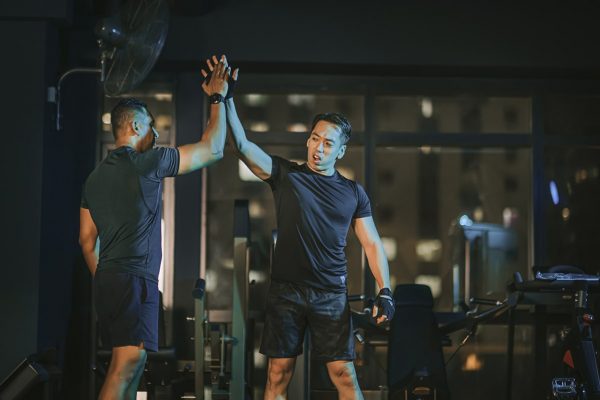
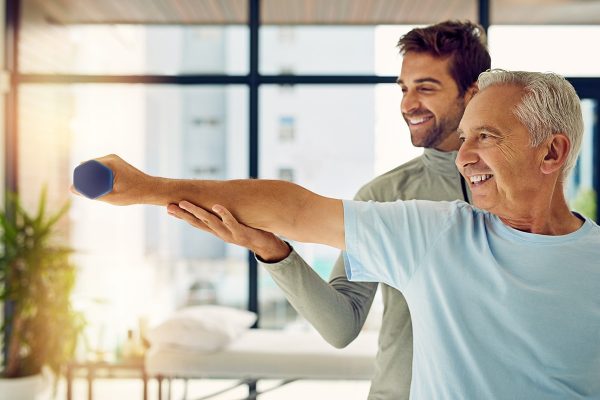
Working with exercise professionals, such as personal trainers, can help you safely navigate your return to fitness after illness. Individualized programming ensures your exercise intensity, volume, and progression match your current capacity—not where you were before getting sick.
At CARESPACE Health+Wellness, our team takes a collaborative approach to recovery, combining exercise therapy, rehabilitation, and ongoing support to help you rebuild strength and confidence safely. Whether you’re returning from a mild illness or a longer period of inactivity, we’re here to guide you every step of the way.
Conclusion
Returning to fitness after illness isn’t about rushing back to your old routine—it’s about building back smarter. By starting gradually, listening to your body, and prioritizing recovery, you can safely regain strength and reduce the risk of setbacks. Taking the time to recover properly now will set the foundation for better performance and long-term health.
References
Movement Foundations Study. (2023). Returning to physical activity following illness. BMJ Open Sport & Exercise Medicine.
Millard, E. (2022). When to return to exercise after illness. Runner’s World.
Clista, B. (2025). Exercise after COVID: How to safely get back to your normal workout. GoodRx.
Hospital for Special Surgery. (2020). Guidelines for returning to exercise after COVID-19.