
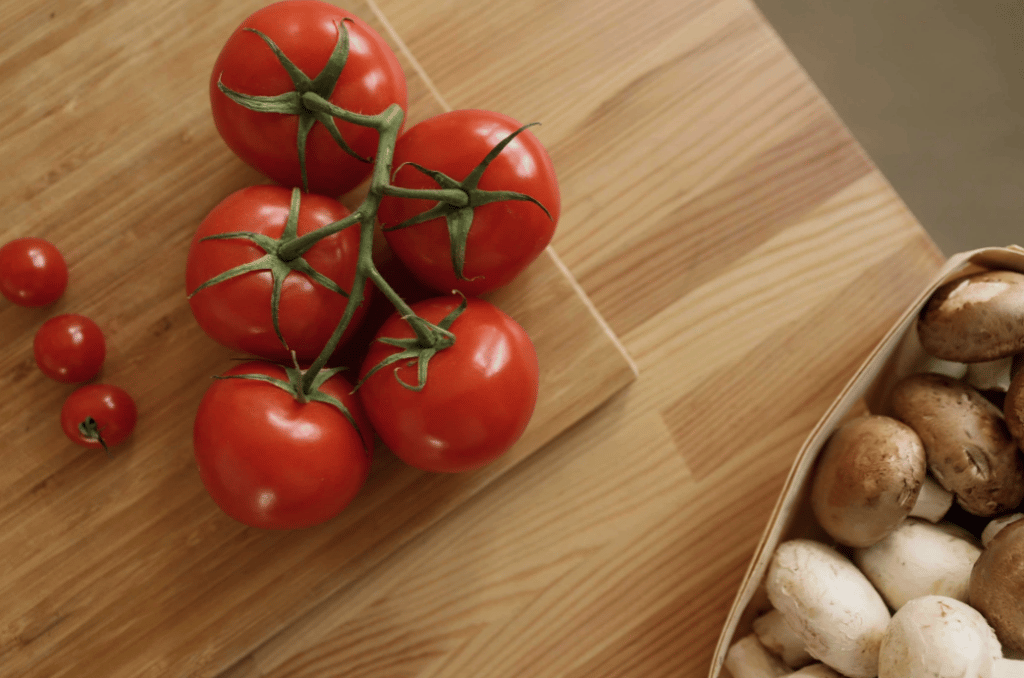
This week, a study was released comparing the nutrient content of organic vs. conventionally grown tomatoes in Brazilian farms. Although the organic tomatoes were 40% smaller, the phenolic compounds were 139 per cent higher and vitamin C was 55 per cent higher in the organic produce. The farms were 1.5 km apart and shared the same weather and soil conditions.
Recent research has been exploring the environmental factors that are at play affecting a plant’s concentrations of nutrients; this study points to stress as one of the most vital factors. By growing plants organically, the plants may have a tougher time in cultivation. Without the protection of herbicides and fertilizers, they experience more stress and produce more phytonutrients to protect themselves.
This isn’t the first study to demonstrate a nutritional superiority to organic over conventionally grown produce. A 2007 study in the Journal of Agricultural and Food Chemistry found almost twice as much of the phytochemicals quercetin and kaempferol aglycones in the study’s organic tomatoes. And organic strawberries packed a higher antioxidant punch in this 2006 study from the same journal.
Not all studies show a difference in nutrient content between organic and conventionally-grown fruit and vegetables. But many do. And when you consider the added benefit of avoiding exposure to chemical pesticides and fertilizers – some of which are known carcinogens or endocrine disruptors – the argument for organics just gets stronger.
Naturopathic doctors often advocate for organic foods not only because of their potential nutritional advantages, but also due to their lower toxic burden on the body. From a naturopathic perspective, food is more than fuel—it’s a foundational part of health and healing. NDs may recommend organic produce to patients who are looking to reduce their exposure to harmful chemicals such as pesticides, herbicides, and synthetic fertilizers, particularly for individuals with chronic health concerns, hormone imbalances, or sensitivities to environmental toxins. They also value the enhanced phytonutrient content seen in some organic crops, which can support antioxidant defense, reduce inflammation, and contribute to long-term wellness. While not every person needs to eat fully organic, naturopathic doctors work with patients to prioritize certain organic foods based on their individual health profile and goals, helping them make informed, realistic choices that support vitality and disease prevention.
I am fortunate to live in Kitchener-Waterloo – a community with several options for organics. If you also live in KW, try out a weekly organic food box like Pfenning’s Organic, Grand River Organics or Transpire Organic. Or hit a local health food store: Eating Well Organically or Kara’s Smart Foods.
To view the range of services available, visit nutrition services at CARESPACE.


