
Grip strength is often overlooked in discussions of health and fitness, yet it provides valuable insight into overall function, aging, and long-term well-being. Measuring and training grip strength can offer practical benefits beyond hand performance.
Aging correlations are clear. Research shows that declining grip strength is associated with reduced muscle mass, slower functional movement, and diminished independence in older adults. Maintaining grip strength is therefore a simple way to support everyday tasks and quality of life as we age.
Mortality data also highlights its importance. Studies have found that lower grip strength is linked to higher risk of cardiovascular events and all-cause mortality, making it a surprisingly strong predictor of long-term health outcomes. It serves as a convenient, non-invasive marker for broader physiological function.
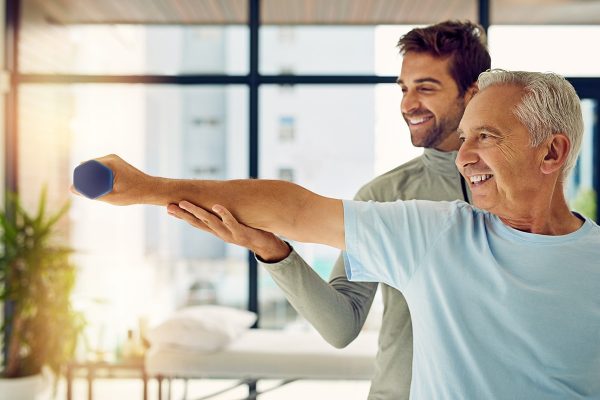
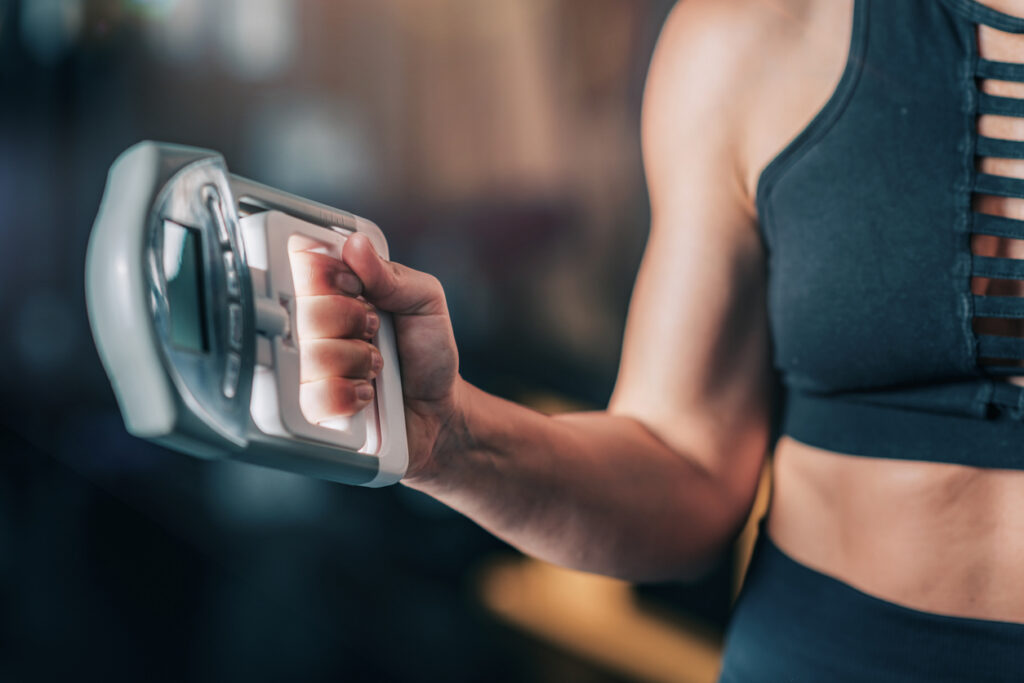
Training methods for grip strength are straightforward and adaptable. Handgrip devices, farmer carries, deadlifts, and other loaded pulling exercises can enhance grip while simultaneously building forearm, shoulder, and upper-body strength. Structured personal training can help individuals safely progress these exercises and improve results.
Rehab carryover is significant. Strengthening grip is often incorporated into rehabilitation programs for upper-limb injuries, neurological conditions, or general mobility limitations. Improved grip translates into better performance in daily tasks, such as opening jars, carrying groceries, or lifting children safely.
Simple assessments make grip strength practical for clinicians and trainers alike. Dynamometers provide a quantitative measure, but even informal tests—like timed hangs or weighted carries—can offer insight into muscular endurance and functional capacity. Regular assessment helps track progress and guide training priorities.
In summary, grip strength is more than a measure of hand power—it reflects overall health, aging status, and functional capacity. Training and monitoring grip strength supports independence, enhances rehabilitation outcomes, and provides a simple, meaningful indicator of long-term health.