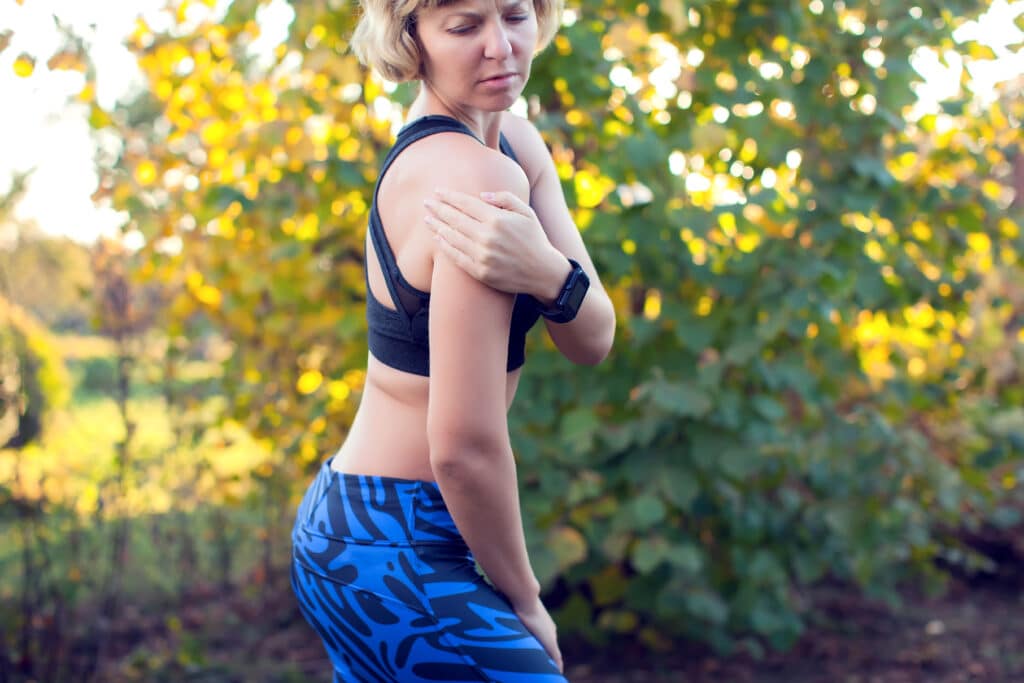
A rotator cuff tear can be a painful and debilitating injury, affecting your daily routines and activities. If you’re suffering from a rotator cuff tear, you need to be cautious about the foods you eat as some foods might impede your healing process while others can speed up the recovery. In this blog post, we’ll discuss the foods that you need to avoid to promote optimal healing for your rotator cuff tear.
Processed Foods:
Processed foods, such as chips, crackers, and snack bars, are high in preservatives and artificial ingredients that can inhibit the body’s natural healing response. They are also high in unhealthy fats, sodium, and sugar that can lead to inflammation, which can exacerbate your rotator cuff injury. It is better to steer clear of processed foods and opt for whole foods, such as fruits, vegetables, and lean protein, to support optimal healing.
Dairy Products:
Dairy products, such as cheese, milk, and butter, can increase inflammation, which can worsen the symptoms of a rotator cuff tear. Additionally, dairy products contain casein, which can increase mucus production, leading to congestion and other health issues. Instead, try non-dairy alternatives such as almond milk or coconut milk, which are foods that are good for rotator cuff tears.
Caffeine and Alcohol:
Caffeine and alcohol can both dehydrate the body, leading to decreased blood flow and oxygenation to the affected area. This can prolong the healing process for a rotator cuff tear. Instead, opt for water, herbal teas, or fruit juices to keep your body hydrated and support optimal recovery.
Fried and Processed Meats:
Fried and processed meats, such as burger patties, hot dogs, and bacon, contain high levels of saturated fats and sodium, both of which can increase inflammation and impede healing. Instead, opt for grilled or baked meats using lean protein sources such as chicken, turkey, fish, or tofu.
Sugar:
Sugar is one of the most damaging foods you can eat while trying to recover from a rotator cuff tear. Sugar promotes inflammation, weakens the immune system, and disrupts the normal healing process. It is vital to avoid sugary drinks, such as sodas and energy drinks, along with processed foods with added sugars such as candy, pastries, and desserts. Instead, consume natural sugars found in fruits and vegetables to aid in your healing process.
If you’re suffering from a rotator cuff tear, it can be challenging to navigate which foods are best for your healing process. Avoiding processed foods, dairy products, caffeine, alcohol, fried meats, and sugar are the best dietary strategies to promote optimal recovery. Incorporating whole foods, lean protein, and natural sugars will provide your body with the nutrients it needs to heal itself. Make sure to consult with a Kitchener Waterloo naturopathic doctor at CARESPACE as part of your healing process to get back to your daily routines as soon as possible.