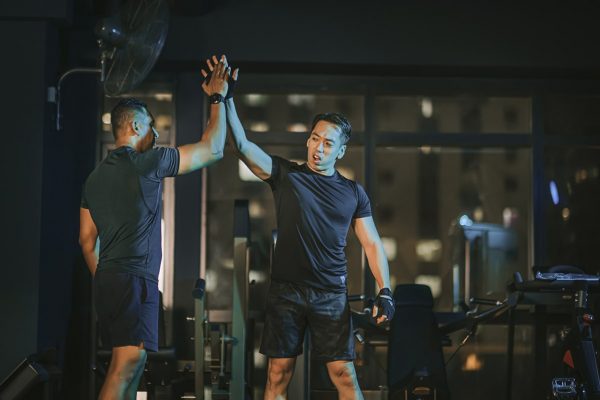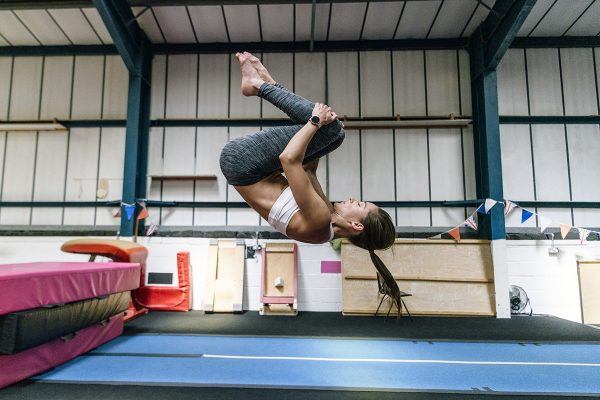

For many people, the idea of stepping into a gym can feel intimidating, monotonous, or simply unenjoyable. While gyms offer structure and equipment, they are not the only path to improved health and fitness. In fact, one of the most important predictors of long-term exercise success is enjoyment and consistency—not location (Rhodes et al., 2017). Approaches like personal training can provide structure and accountability without relying on a traditional gym setting. If you don’t like the gym, the good news is that there are countless other ways to stay active, build strength, and improve your overall well-being.
Rethinking What “Counts” as Exercise
A common misconception is that exercise must be structured, intense, or gym-based to be effective. However, physical activity exists on a spectrum, and many forms of movement can contribute to health benefits. According to the World Health Organization (2020), adults should aim for at least 150–300 minutes of moderate-intensity aerobic activity per week, which can include walking, cycling, dancing, or recreational sports.
This means that activities you may already enjoy—like hiking, swimming, or even gardening—can support your fitness goals. Reframing exercise as “movement” rather than a formal workout can make it feel more approachable and sustainable.
Outdoor and Lifestyle-Based Fitness
For those who dislike the gym environment, outdoor activities can be an excellent alternative. Walking or jogging in your neighborhood, exploring local trails, or biking to run errands not only improves cardiovascular health but can also boost mood and reduce stress (Thompson Coon et al., 2011).
Lifestyle-based fitness—sometimes called “incidental exercise”—involves integrating movement into your daily routine. Taking the stairs, carrying groceries, or doing household chores all contribute to energy expenditure and functional strength. While these activities may seem small, they add up over time and can have meaningful health benefits when done consistently.
Home Workouts and Minimal Equipment
Another option is exercising at home. Home workouts remove many of the barriers associated with gyms, such as travel time, cost, and self-consciousness. Bodyweight exercises like squats, lunges, push-ups, and planks can effectively build strength without requiring any equipment.
For added variety, simple tools like resistance bands, a stability ball, or dumbbells can enhance your workouts without taking up much space. Online platforms and apps also provide guided routines tailored to different fitness levels and goals, allowing you to follow structured programs from the comfort of your home.
Social and Recreational Activities
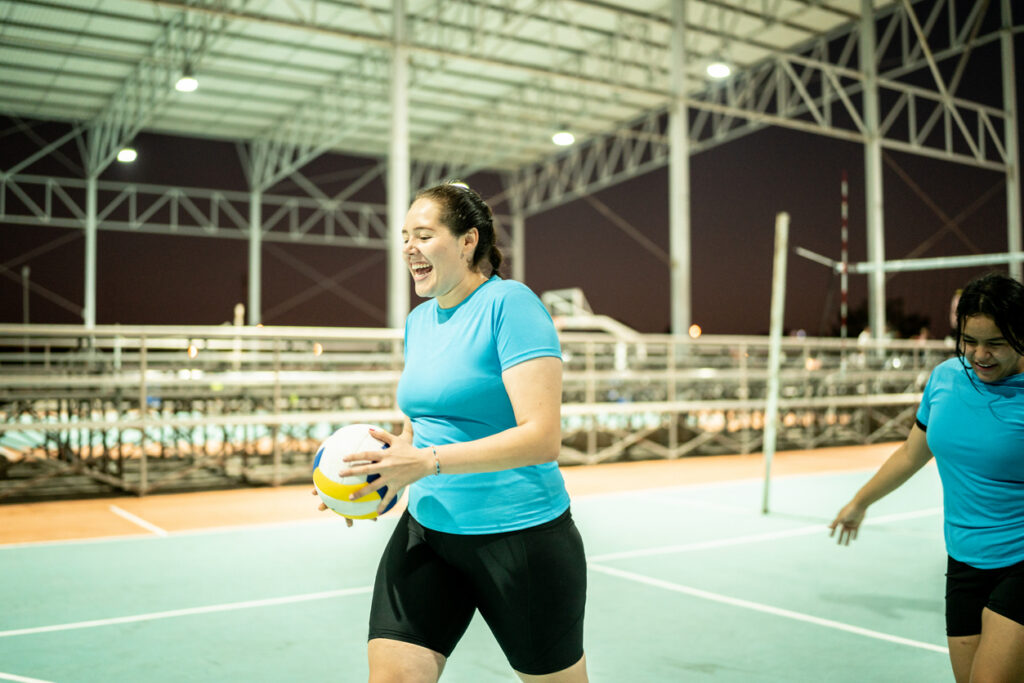
Exercise doesn’t have to feel like a chore. Participating in social or recreational activities can make movement more enjoyable and help with accountability. Joining a recreational sports league, taking a dance class, or going for regular walks with a friend are all ways to stay active while having fun.
Research shows that social support plays a significant role in maintaining physical activity habits (Bauman et al., 2012). When exercise becomes a shared experience rather than a solitary task, it often feels less like an obligation and more like a rewarding part of your routine.
Mind-Body Approaches
For individuals who find traditional workouts unappealing, mind-body exercises such as yoga or Pilates may be a better fit. These approaches focus on controlled movements, breathing, and body awareness, offering both physical and mental benefits. Studies have shown that practices like yoga can improve flexibility, balance, and stress levels (Ross & Thomas, 2010).
These forms of movement are often less intimidating than high-intensity gym workouts and can be adapted to suit beginners or those with injuries or chronic conditions.
Building a Sustainable Routine
The key to any successful fitness routine is consistency. If you don’t enjoy the gym, forcing yourself to go is unlikely to lead to long-term adherence. Instead, focus on finding activities you genuinely enjoy and can realistically incorporate into your lifestyle.
Start small and set achievable goals. For example, aim to go for a 20-minute walk three times per week or try a new activity each month until you find something you enjoy. Over time, these small habits can build into a sustainable routine.
It’s also important to recognize that your preferences may change. What you enjoy now might differ in a few months, and that’s okay. Flexibility in your approach allows you to adapt and stay engaged with your fitness journey.
Conclusion
You don’t need a gym membership to be fit. Whether it’s through outdoor activities, home workouts, recreational sports, or daily movement, there are countless ways to stay active that don’t involve stepping foot in a gym. The most effective fitness routine is one that you enjoy and can maintain over time. By exploring different forms of movement and focusing on what feels good for your body, you can build a healthier lifestyle that truly works for you.
How CARESPACE Can Help
Finding ways to stay active outside of the gym is a great first step—but knowing how to structure your movement for progress, balance, and injury prevention can make all the difference. That’s where working with a qualified exercise professional can help.
Personal trainers can support you in building a personalized fitness plan that aligns with your preferences, lifestyle, and goals—whether that means home workouts, outdoor training, or incorporating more movement into your daily routine. They can also ensure that your exercises are performed with proper form, help you progress safely, and adapt your program as your needs evolve.
At CARESPACE, our team takes a collaborative and client-centered approach to care. We work with you to find realistic, enjoyable ways to stay active—without forcing you into a gym environment that doesn’t suit you. Whether you’re getting started, returning after a break, or looking to build consistency, our professionals are here to guide and support you every step of the way.
References
Bauman, A. E., Reis, R. S., Sallis, J. F., Wells, J. C., Loos, R. J., & Martin, B. W. (2012). Correlates of physical activity: Why are some people physically active and others not? The Lancet, 380(9838), 258–271. https://doi.org/10.1016/S0140-6736(12)60735-1
Rhodes, R. E., Janssen, I., Bredin, S. S., Warburton, D. E., & Bauman, A. (2017). Physical activity: Health impact, prevalence, correlates and interventions. Psychology & Health, 32(8), 942–975. https://doi.org/10.1080/08870446.2017.1325486
Ross, A., & Thomas, S. (2010). The health benefits of yoga and exercise: A review of comparison studies. The Journal of Alternative and Complementary Medicine, 16(1), 3–12. https://doi.org/10.1089/acm.2009.0044
Thompson Coon, J., Boddy, K., Stein, K., Whear, R., Barton, J., & Depledge, M. H. (2011). Does participating in physical activity in outdoor natural environments have a greater effect on physical and mental wellbeing than physical activity indoors? Environmental Science & Technology, 45(5), 1761–1772. https://doi.org/10.1021/es102947t
World Health Organization. (2020). WHO guidelines on physical activity and sedentary behaviour. https://www.who.int/publications/i/item/9789240015128