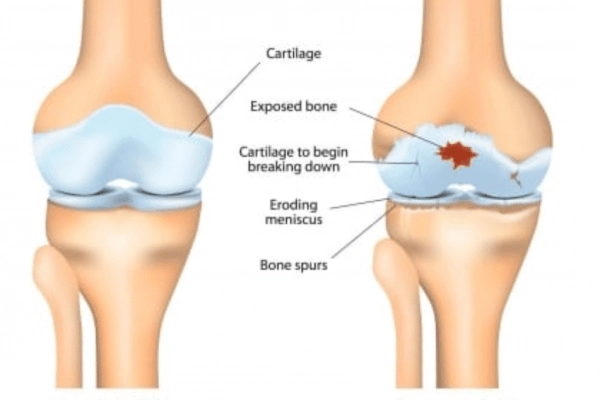
Joint pain, stiffness, and reduced mobility are often blamed on Arthritis, but there is still a lot of misinformation surrounding the condition. Many people assume arthritis only affects older adults, that exercise makes it worse, or that joint noises automatically mean damage. In reality, arthritis is more nuanced, and believing the wrong advice can delay proper care.
Understanding what is true—and what is not—can help you manage symptoms and learn more about arthritis treatment options.
What Is Arthritis?
Arthritis is a broad term used to describe conditions that affect the joints. There are many different forms of arthritis, with osteoarthritis and inflammatory arthritis being among the most common.
Arthritis can affect cartilage, joint lining, and surrounding tissues. Over time, this may lead to:
- Joint pain
- Morning stiffness
- Swelling
- Reduced range of motion
- Weakness around the joint
- Difficulty walking, climbing stairs, gripping objects, or staying active
Symptoms can range from mild to more limiting depending on the person, the type of arthritis, and the joints involved.
Myth #1: Arthritis Only Affects Older Adults
One of the most common myths is that arthritis is simply part of getting older.
While age can be a risk factor for some forms of Arthritis, it can also affect younger adults. Previous injuries, repetitive strain, genetics, autoimmune conditions, and lifestyle factors can all play a role.
It is not unusual for active adults or younger individuals with past sports injuries to experience arthritic changes earlier than expected.
Myth #2: Arthritis Can Be Completely Cured
Many people hope arthritis can be permanently cured.
The reality is that some forms of arthritis are long-term conditions that need to be managed rather than erased. Structural changes inside a joint may not be fully reversible, but symptoms can often be improved and progression may be slowed.
Many people with Arthritis continue to live active, healthy lives by focusing on movement, strength, education, and symptom management.
The goal is often to improve function, reduce pain, and maintain independence.
Myth #3: Crunching or Popping Joints Means You Have Arthritis
Hearing clicking, cracking, or popping sounds in a joint does not automatically mean arthritis is present.
Joint noises are common and are often related to tendons moving, pressure changes in the joint, or harmless tissue movement. Many people experience these sounds without pain or limitation.
However, if joint sounds are combined with:
- Pain
- Swelling
- Locking
- Instability
- Reduced mobility
…it may be worth seeking an assessment.
Noise alone is not a diagnosis of Arthritis.
Myth #4: Rest Is the Best Treatment for Arthritis
Rest can help during short flare-ups, but prolonged rest often makes arthritis symptoms worse.
When joints remain inactive, stiffness can increase and muscles around the joint may weaken. This may place more stress on already irritated areas.
Regular movement is often one of the most effective tools for managing Arthritis symptoms because it can help:
- Improve mobility
- Reduce stiffness
- Maintain muscle support
- Improve circulation
- Build confidence with movement
The key is choosing the right type and amount of activity based on your symptoms.
Myth #5: Heat Is Always Better Than Ice
Many people assume heat is always the best option for arthritis, but both heat and ice can be useful depending on the situation.
Heat May Help With:
- Ongoing stiffness
- Tight muscles
- Reduced mobility
- Morning discomfort
Ice May Help With:
- Swelling
- Temporary pain relief
- Irritation after activity
- Flare-ups
Some people benefit from alternating both. The best choice depends on the joint involved and how your symptoms are presenting.
How to Manage Arthritis Effectively
While every case is different, many people benefit from a combination of:
- Staying physically active
- Maintaining strength and flexibility
- Managing body weight when appropriate
- Improving sleep and recovery habits
- Using pacing strategies during flare-ups
- Learning joint-friendly movement patterns
- Seeking guidance when symptoms persist
Consistent habits often make a bigger difference than short-term fixes.
When to Seek Help for Arthritis Symptoms
If you are experiencing ongoing joint pain, swelling, stiffness, or reduced mobility, it may be time to learn more about Arthritis care at CARESPACE and what options are available.
Early management may help reduce symptoms, improve function, and support long-term joint health.
The Takeaway
Arthritis is common, but many myths still create confusion. Arthritis does not automatically mean giving up activity or accepting constant discomfort.
Understanding the facts, staying active, and responding early to symptoms can go a long way toward helping you move well and maintain your quality of life.