
Mineral Deficiencies – Symptoms, Causes, and Treatment Options
Mineral deficiencies happen when your body doesn’t get enough of certain essential minerals needed for energy, bone health, nerve function, and overall wellness. Symptoms can range from fatigue and muscle weakness to brittle bones, irregular heartbeat, or mood changes, depending on which mineral is lacking.
Many people with mineral deficiencies find support and improved health through CARESPACE services. A naturopath for mineral deficiencies can recommend natural remedies, supplements, and lifestyle changes to restore balance and address underlying causes. A registered dietitian for mineral deficiencies can create personalized meal plans rich in essential nutrients to correct imbalances and prevent future deficiencies. Together, these services provide a holistic approach to restoring energy, supporting overall wellness, and promoting long-term health.
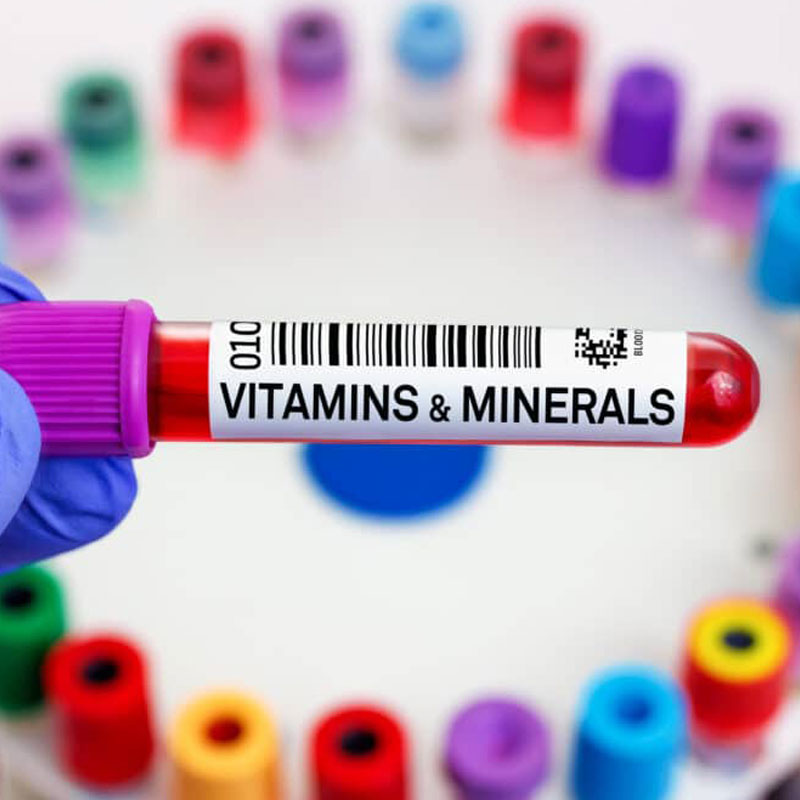
Overview of Mineral Deficiencies
Mineral deficiencies are health conditions that occur when your body lacks the right amount of essential minerals such as iron, calcium, magnesium, zinc, or potassium. These nutrients play critical roles in building strong bones, producing hormones, transmitting nerve signals, and supporting muscle function. When levels fall below what your body needs, it disrupts normal processes and leads to a variety of symptoms.
How common are mineral deficiencies?
Mineral deficiencies are a global health issue. According to the World Health Organization, over 2 billion people worldwide suffer from micronutrient deficiencies, including minerals like iron, iodine, and zinc. Iron deficiency alone is the most common nutritional deficiency globally and a leading cause of anemia (WHO, 2020). In high-income countries, deficiencies often result from poor diet quality, restrictive eating patterns, or chronic health conditions, while in low- and middle-income regions, food insecurity is a major factor.
How do mineral deficiencies affect daily life?
Even mild deficiencies can impact your day-to-day life:
- Work performance: Low iron or magnesium levels may cause fatigue, poor concentration, and lower productivity.
- Sleep: Calcium and magnesium deficiencies can contribute to insomnia or restless sleep.
- Sport and activity: Athletes with low potassium, calcium, or magnesium are more prone to muscle cramps, weakness, and poor endurance.
- Relationships: Ongoing fatigue, irritability, or mood swings may affect family and social connections.
- Mental health: Low zinc or magnesium has been linked to higher stress, anxiety, and depressive symptoms.
How are mineral deficiencies different from vitamin deficiencies?
Minerals and vitamins are both essential nutrients, but they differ in structure and function:
- Minerals are inorganic elements like calcium, iron, and zinc, needed for bone structure, oxygen transport, and enzyme reactions.
- Vitamins are organic compounds like vitamin D or B12, which regulate metabolism and immune function.
While deficiencies in either group cause health issues, mineral deficiencies often produce more structural problems (weak bones, muscle cramps), whereas vitamin deficiencies often affect metabolism and immunity.
Reference: World Health Organization. (2020). Micronutrient deficiencies. https://www.who.int/news-room/fact-sheets/detail/micronutrient-deficiencies
Symptoms of Mineral Deficiencies
The symptoms of mineral deficiencies vary depending on which mineral is lacking, but they generally involve fatigue, weakness, poor concentration, or changes in skin, hair, and bone health. Because minerals affect multiple systems, symptoms may overlap and be mistaken for other conditions.
What are the main symptoms of mineral deficiencies?
- Iron deficiency: Fatigue, pale skin, dizziness, shortness of breath.
- Calcium deficiency: Brittle nails, bone pain, frequent fractures, tingling in fingers.
- Magnesium deficiency: Muscle cramps, headaches, anxiety, irregular heartbeat.
- Potassium deficiency: Weakness, muscle twitches, constipation, abnormal heart rhythms.
- Zinc deficiency: Slow wound healing, hair loss, frequent infections, changes in taste or smell.
How severe can symptoms get?
- Mild deficiencies: Subtle fatigue, lower performance at school or work, occasional cramps.
- Moderate deficiencies: Noticeable weakness, sleep disruption, mood changes, frequent illness.
- Severe deficiencies: Dangerous complications such as osteoporosis, severe anemia, heart rhythm disturbances, or impaired immune response.
Red flag signs to watch for
Seek medical attention if you experience:
- Persistent fatigue or weakness despite rest.
- Unexplained fractures or bone pain.
- Rapid heartbeat or chest pain.
- Severe dizziness or fainting spells.
- Frequent infections or delayed wound healing.
Impact on daily performance and health
- At work: Low iron or magnesium reduces energy and focus.
- At home: Irritability and brain fog may affect relationships.
- In sport: Athletes risk higher injury rates and slower recovery.
- In sleep: Restless legs, cramps, or insomnia may occur.
- In mental health: Chronic deficiencies increase risk for depression, anxiety, and low motivation.
Causes and Risk Factors for Mineral Deficiencies
Mineral deficiencies can be caused by poor dietary intake, medical conditions, medications, or lifestyle factors. Understanding these risk factors helps with both prevention and management.
What causes mineral deficiencies?
- Poor diet: Highly processed foods often lack minerals. Restrictive diets may cut out key sources like dairy, meat, or whole grains.
- Malabsorption issues: Conditions like celiac disease, Crohn’s disease, or chronic diarrhea reduce absorption.
- Increased needs: Pregnancy, breastfeeding, and adolescence increase mineral demands.
- Excessive losses: Heavy sweating, frequent urination (diabetes), or blood loss (menstruation, ulcers) deplete minerals.
- Medications: Certain diuretics, proton pump inhibitors, or laxatives interfere with absorption or increase losses.
Risk factors that increase likelihood of mineral deficiencies
- Age: Older adults often absorb minerals less efficiently and may eat less varied diets.
- Occupation: High-stress jobs with poor eating patterns increase risk.
- Pregnancy and breastfeeding: Higher needs for iron, calcium, and zinc.
- Athletes: Lose more magnesium, sodium, and potassium through sweat.
- Vegetarian/vegan diets: May lack iron, zinc, or calcium if not carefully planned.
- Obesity and chronic illness: Associated with inflammation and altered nutrient absorption.
How mineral deficiencies differ from similar conditions
- Chronic fatigue syndrome and thyroid disorders may mimic deficiency-related fatigue.
- Osteoporosis may result from calcium/vitamin D deficiency but can also have hormonal causes.
- Anemia may come from iron deficiency, B12 deficiency, or chronic disease.
Lifestyle impact of risk factors
- A student eating fast food may develop low magnesium and zinc, leading to poor concentration.
- A pregnant woman may need supplements to prevent anemia and bone loss.
- An older adult with reduced appetite may risk calcium and iron deficiencies, increasing fall and fracture risk.
Clinical Path for Mineral Deficiencies – Diagnosis, Recovery, and Management
Diagnosis of Mineral Deficiencies
Mineral deficiencies are diagnosed using a combination of medical history, physical exams, and laboratory tests. Because symptoms can mimic other conditions, a detailed evaluation is important to identify the root cause.
How do doctors test for mineral deficiencies?
The diagnostic process typically starts with a clinical interview. Your provider will ask about:
- Diet (e.g., do you eat dairy, leafy greens, meat, or fortified foods?).
- Lifestyle factors (athletic activity, stress, or restrictive diets).
- Symptoms like fatigue, cramps, brittle nails, or frequent illness.
- Family history of anemia, osteoporosis, or metabolic disorders.
A physical examination may reveal signs such as pale skin (iron deficiency), brittle hair or nails (zinc), or muscle twitches (magnesium). Providers may also check your heart rate, reflexes, and blood pressure, since certain deficiencies affect nerve and heart function.
Laboratory tests are the gold standard for diagnosis. These may include:
- Blood tests: Measuring serum levels of minerals like iron, calcium, magnesium, potassium, and zinc.
- Urine tests: Identifying abnormal excretion (e.g., excessive magnesium loss).
- Bone density scans: To assess calcium-related deficiencies and osteoporosis risk.
Imaging is not commonly used unless complications (like bone fractures) are suspected.
How do practitioners identify the root cause?
Mineral deficiencies are rarely isolated. Providers look at patterns to uncover the source:
- If iron is low → menstrual blood loss, ulcers, or poor diet may be causes.
- If calcium is low → vitamin D deficiency or malabsorption may also play a role.
- If magnesium is low → diuretic use, diabetes, or alcohol intake might be contributing.
By combining clinical findings with lab tests, practitioners can distinguish between deficiencies caused by dietary intake and those linked to underlying health conditions.
How are mineral deficiencies different from similar conditions?
Fatigue may be caused by thyroid disease or depression, not just low iron. Bone pain might be due to arthritis rather than calcium deficiency. Comparing symptoms across systems ensures an accurate diagnosis.
Recovery & Prognosis for Mineral Deficiencies
Recovery from mineral deficiencies depends on the type of deficiency, severity, and how quickly it’s treated. With proper care, most people improve significantly within weeks to months.
How long does it take to recover from mineral deficiencies?
- Mild deficiencies: May resolve within 2–4 weeks with dietary changes or supplements.
- Moderate deficiencies: Often require 6–12 weeks of targeted supplementation and lifestyle adjustments.
- Severe deficiencies: Such as advanced anemia or osteoporosis, may take 3–12 months or longer to fully stabilize.
For example, iron deficiency anemia often improves in 6–8 weeks with iron therapy, but restoring full iron stores may take several months. Bone density recovery from calcium/vitamin D deficiency can take much longer.
What factors affect long-term outcomes?
- Age: Older adults recover more slowly due to reduced absorption.
- Underlying conditions: Ongoing digestive issues may limit recovery.
- Adherence to treatment: Missing supplements or poor diet delays healing.
- Lifestyle: Smoking, alcohol, and stress interfere with nutrient absorption.
If/then decision pathway for prognosis
- If deficiency is mild and dietary intake improves → recovery is usually quick and complete.
- If deficiency is moderate with ongoing lifestyle risks (e.g., poor sleep, stress, restrictive diet) → recovery requires structured support and may relapse.
- If deficiency is severe or linked to chronic illness (e.g., celiac disease, kidney disease) → ongoing monitoring and long-term supplementation may be necessary.
Return-to-work, sport, and lifestyle outcomes
- Work: Energy, focus, and productivity often improve once deficiencies are corrected.
- Sport: Athletes regain endurance and strength as mineral balance is restored.
- Daily life: Sleep, mood, and social engagement typically improve.
- Long-term: With preventive strategies, recurrence risk can be greatly reduced.
Reference: Bailey, R.L., West, K.P., & Black, R.E. (2015). “The epidemiology of global micronutrient deficiencies.” Annals of Nutrition & Metabolism, 66(Suppl. 2), 22–33. https://doi.org/10.1159/000371618
Management of Mineral Deficiencies
Management of mineral deficiencies combines dietary improvements, supplementation, lifestyle changes, and prevention strategies. The goal is not just to correct the deficiency but also to prevent recurrence.
What’s the best way to manage mineral deficiencies at home?
At-home strategies include:
- Balanced diet: Include whole grains, fruits, vegetables, dairy, lean meats, nuts, and seeds.
- Hydration: Proper fluid balance supports mineral absorption and circulation.
- Food diversity: Rotating food choices prevents gaps in nutrient intake.
- Mindful supplementation: Only take supplements recommended by a provider, as excess can cause harm.
Step-by-step self-help & relief tips
- Identify the missing mineral – Work with your provider to confirm through tests.
- Adjust diet accordingly – For iron, increase lean red meat, beans, or spinach. For calcium, add dairy or fortified alternatives. For magnesium, eat nuts, seeds, and leafy greens.
- Pair foods smartly – Vitamin C enhances iron absorption, while caffeine can reduce it.
- Set reminders – Take supplements consistently, often at the same time daily.
- Track progress – Keep a journal of symptoms like energy, mood, or sleep.
What therapies help mineral deficiencies?
- Nutrition counseling: Helps identify gaps and create sustainable meal plans.
- Lifestyle coaching: Builds healthy eating and stress management habits.
- Community/social support: Encourages adherence to long-term changes.
- Medical care: In severe cases (like iron infusions or IV magnesium), hospital treatment may be necessary.
Why prevention matters
Unlike short-term illnesses, mineral deficiencies often recur if habits don’t change. Prevention focuses on long-term diet quality, regular screenings, and addressing chronic conditions.
Multidisciplinary Coordinated Care for Mineral Deficiencies at CARESPACE
At CARESPACE, mineral deficiencies are addressed with a team-based, multidisciplinary approach that goes beyond supplements. You benefit from coordinated care that looks at your nutrition, physical health, and mental well-being, helping you restore balance faster and prevent deficiencies from recurring.
How does CARESPACE treat mineral deficiencies differently?
Most clinics focus only on prescribing supplements or recommending dietary changes. While this helps in the short term, it often overlooks the root causes—such as poor absorption, chronic stress, or lifestyle habits—that led to the deficiency in the first place.
CARESPACE takes a different path by integrating nutrition, physical therapy, mental health support, and lifestyle coaching into one personalized care plan. This ensures that deficiencies are not just corrected but also prevented from returning.
Your care team may include:
- Registered dieticians and naturopathic doctors who design meal plans and assess absorption issues.
- Physiotherapists and chiropractors who address physical strain, posture, and muscle function affected by deficiencies.
- Massage therapy and acupuncture to reduce stress and improve circulation, which aids nutrient delivery.
- Psychotherapists and mental performance coaches to help you manage stress, fatigue, or anxiety linked to deficiencies.
- Kinesiologists and fitness trainers to restore strength, energy, and resilience.
Why does a team approach help mineral deficiencies recover faster?
Mineral deficiencies affect the whole body, so no single treatment is enough. A coordinated approach helps because each discipline tackles a different angle:
- Nutrition and naturopathy focus on restoring intake and absorption.
- Chiropractic and physiotherapy optimize musculoskeletal health and address weakness or cramps.
- Massage therapy and acupuncture reduce tension and improve circulation, which enhances healing.
- Mental health care helps address stress-related behaviors like poor eating, insomnia, or fatigue.
- Fitness and kinesiology build back lost strength and help prevent future recurrence.
This model is particularly effective because it prevents “siloed care,” where providers work independently without communicating. At CARESPACE, your providers share information and coordinate treatment so every session supports your overall recovery.
What does coordinated care for mineral deficiencies look like?
CARESPACE organizes your recovery in three phases—acute, subacute, and maintenance—so your journey is structured and supported at every step.
- Acute Phase – Correcting immediate imbalances
- If your lab results show a deficiency, the first step is to correct it quickly and safely.
- A registered dietician provides education on targeted foods to restore levels, and how to best incorporate these foods into your diet.
- A naturopathic doctor may recommend supplements or support absorption with digestive health strategies.
- If stress or insomnia is contributing, a psychotherapist may help you establish routines for rest and recovery.
- If your lab results show a deficiency, the first step is to correct it quickly and safely.
- Subacute Phase – Restoring strength and daily function
- Once your mineral levels begin to normalize, the goal is to restore your energy and resilience.
- Physiotherapists and chiropractors help correct posture or movement patterns affected by muscle weakness.
- Massage therapy relieves muscle cramps and tension from deficiencies like magnesium or potassium loss.
- Kinesiology and fitness training rebuild strength and stamina gradually.
- Nutrition follow-ups fine-tune your diet to maintain balance without over-relying on supplements.
- Once your mineral levels begin to normalize, the goal is to restore your energy and resilience.
- Maintenance Phase – Preventing recurrence
- In this stage, the focus is on long-term prevention.
- Lifestyle coaching ensures you develop sustainable eating, exercise, and stress management habits.
- Acupuncture or massage may be used as ongoing support for stress reduction.
- Regular check-ins help catch imbalances early before they become severe.
- In this stage, the focus is on long-term prevention.
A practical example of CARESPACE’s multidisciplinary care
Imagine you are experiencing chronic fatigue, brittle nails, and frequent colds. Blood tests confirm low iron and zinc.
- You begin with a registered dietician, who creates a balanced diet plan and recommends iron-rich foods with vitamin C to improve absorption.
- At the same time, a naturopathic doctor addresses mild digestive issues that reduce mineral uptake.
- A massage therapist helps relieve the muscle aches you’ve developed from low magnesium.
- A psychotherapist supports you in managing the stress and poor sleep patterns that worsened your condition.
- Finally, a kinesiologist develops an exercise plan to restore your strength and endurance gradually.
Together, these professionals work as a team, ensuring that every aspect of your health is addressed—not just the lab result.
The CARESPACE advantage for mineral deficiencies
The unique advantage of CARESPACE is that you don’t just get a supplement prescription—you get a full team supporting your recovery. This holistic approach ensures deficiencies are corrected faster and less likely to return.
Benefits of CARESPACE’s model include:
- Faster results: Nutrition, physical therapy, and mental health care combine to restore energy quickly.
- Lower recurrence risk: Preventive strategies are built into your long-term plan.
- Personalized care: Each plan adapts to your specific deficiency, lifestyle, and health needs.
- Whole-person support: Your body, mind, and daily habits are all considered.
Compared to traditional single-discipline care, CARESPACE’s multidisciplinary approach ensures you don’t just “patch” deficiencies—you build resilience for the future.
Related Conditions, FAQs, and Disclaimer for Mineral Deficiencies
Related Conditions for Mineral Deficiencies
Mineral deficiencies often overlap with or mimic other health conditions, making diagnosis more complex. Because many symptoms—such as fatigue, weakness, and poor concentration—are nonspecific, deficiencies are sometimes mistaken for other disorders.
Common related or overlapping conditions include:
- Vitamin deficiencies (e.g., vitamin D deficiency often coexists with calcium deficiency, increasing bone risk).
- Anemia (iron deficiency is the leading cause, but B12 and folate deficiencies can present similarly).
- Osteoporosis (linked to chronic calcium and magnesium deficiency).
- Chronic fatigue and thyroid disorders, which may present with tiredness and weakness like mineral deficiencies.
- Digestive conditions such as celiac disease or Crohn’s disease, which impair absorption of both vitamins and minerals.
Recognizing these overlaps is critical because the right treatment depends on identifying the root cause.
Looking for information on a different condition? Visit our full Conditions List.
Mineral Deficiencies FAQs
If you’re dealing with mineral deficiencies, you may have questions about symptoms, causes, and the best treatment options available. Below, we’ve outlined the most important information to help you understand mineral deficiencies, what recovery might look like, and how CARESPACE can support you with a personalized care plan.
The fastest way to relieve mineral deficiencies is to correct the underlying deficiency with food and, when necessary, supplements prescribed by a professional.
Eating nutrient-rich foods is often the first step. For example, iron deficiency responds to lean meats and leafy greens, while magnesium deficiency improves with nuts, seeds, and whole grains. Supplements may be prescribed when diet alone isn’t enough, especially in moderate to severe cases.
Lifestyle adjustments—like reducing caffeine and alcohol, which block absorption—help speed recovery. In urgent situations (e.g., severe anemia or dangerously low potassium), medical treatment such as IV therapy may be needed. Quick relief comes from combining immediate supplementation with longer-term dietary balance.
Disclaimer: This content is for informational purposes only and is not a substitute for professional medical advice. If you think you may have mineral deficiencies, consult a qualified health provider.
Mild mineral deficiencies sometimes improve on their own if diet or lifestyle naturally changes, but most require intentional treatment.
For instance, someone who begins eating a balanced diet with more vegetables, dairy, or protein may gradually correct mild shortages. However, moderate or severe deficiencies rarely resolve without targeted intervention, especially if they’re caused by chronic illness, poor absorption, or ongoing losses.
If left untreated, deficiencies can worsen over time, leading to complications such as osteoporosis, anemia, or immune weakness. Taking a proactive approach—through lab testing, dietary improvements, or guided supplementation—ensures recovery is faster and more complete.
Disclaimer: This content is for informational purposes only and is not a substitute for professional medical advice. If you think you may have mineral deficiencies, consult a qualified health provider.
You should see a doctor if you have persistent fatigue, muscle cramps, brittle nails, frequent infections, or unexplained weakness that lasts more than a few weeks.
Warning signs requiring urgent evaluation include chest pain, irregular heartbeat, sudden fainting, or severe bone pain. These may indicate dangerous complications from deficiencies such as low potassium, calcium, or iron.
Even without severe symptoms, professional testing is important. Bloodwork is the only reliable way to confirm deficiencies and rule out conditions that look similar (like thyroid disorders or vitamin deficiencies). Seeing a doctor early reduces the risk of complications and ensures you get tailored care.
Disclaimer: This content is for informational purposes only and is not a substitute for professional medical advice. If you think you may have mineral deficiencies, consult a qualified health provider.
The best foods for mineral deficiencies depend on which mineral is lacking, but whole, nutrient-dense foods are always key.
Examples include:
- Iron: Lean red meat, beans, spinach, and fortified cereals.
- Calcium: Dairy, fortified plant-based milks, leafy greens.
- Magnesium: Nuts, seeds, whole grains, and legumes.
- Zinc: Shellfish, poultry, beans, and pumpkin seeds.
- Potassium: Bananas, potatoes, beans, and oranges.
Pairing foods smartly also matters—for example, vitamin C improves iron absorption, while excess caffeine can block it. Choosing a balanced plate with protein, vegetables, and whole grains provides a wide spectrum of minerals that help prevent deficiencies.
Disclaimer: This content is for informational purposes only and is not a substitute for professional medical advice. If you think you may have mineral deficiencies, consult a qualified health provider.
Yes, stress can worsen mineral deficiencies by increasing demand for certain nutrients and interfering with absorption.
When you’re under chronic stress, your body uses more magnesium and zinc to regulate hormones and calm the nervous system. At the same time, stress hormones like cortisol can impair digestion and reduce nutrient absorption. People under stress may also skip meals, drink more caffeine, or rely on processed foods—further depleting minerals.
Addressing stress through sleep hygiene, relaxation techniques, and professional counseling not only improves mental health but also supports recovery from deficiencies. Stress management and nutrition go hand in hand for long-term health.
Disclaimer: This content is for informational purposes only and is not a substitute for professional medical advice. If you think you may have mineral deficiencies, consult a qualified health provider.
Mineral deficiencies and vitamin deficiencies are both nutrient-related, but they affect the body differently.
- Minerals are inorganic elements like calcium, iron, and zinc. Deficiencies often cause structural or functional problems, such as weak bones, muscle cramps, or anemia.
- Vitamins are organic compounds like vitamin D or B12. Their deficiencies typically affect metabolism, immunity, and nervous system function.
The two often overlap—for example, calcium and vitamin D deficiencies commonly occur together, both contributing to osteoporosis. Understanding the difference helps guide treatment, as the management strategies and supplementation differ for each.
Disclaimer: This content is for informational purposes only and is not a substitute for professional medical advice. If you think you may have mineral deficiencies, consult a qualified health provider.
The best way to prevent mineral deficiencies from returning is to maintain a balanced diet, manage stress, and monitor your health regularly.
Prevention strategies include:
- Eating a wide variety of whole foods (vegetables, proteins, whole grains, dairy or fortified alternatives).
- Limiting processed foods high in sugar and low in nutrients.
- Staying active, which supports circulation and bone strength.
- Practicing mindful supplementation—taking only what’s recommended, not excess.
- Scheduling regular blood tests if you’re at higher risk (e.g., pregnant women, older adults, athletes).
Building consistent habits rather than short-term fixes ensures deficiencies don’t recur. Prevention is always easier than treatment.
Disclaimer: This content is for informational purposes only and is not a substitute for professional medical advice. If you think you may have mineral deficiencies, consult a qualified health provider.
Yes, it is common to feel both anxious and tired when you have mineral deficiencies, especially low magnesium, iron, or zinc.
- Magnesium deficiency often causes anxiety, irritability, and insomnia.
- Iron deficiency leads to fatigue, brain fog, and low mood due to reduced oxygen delivery to the brain.
- Zinc deficiency is linked to poor stress tolerance and frequent illness, which can increase worry and exhaustion.
Because these symptoms overlap with mental health conditions, people sometimes think their issues are “all in their head.” In reality, nutrient imbalances may be contributing significantly. Addressing the deficiency often improves both energy and mood.
Disclaimer: This content is for informational purposes only and is not a substitute for professional medical advice. If you think you may have mineral deficiencies, consult a qualified health provider.
Articles on Mineral Deficiencies


For more information, you can view all mineral deficiencies articles on our resource hub.
Authorship & Disclaimer
Reviewed by: Emily Saunders, Dietician
Last Updated: October 15th, 2025
Disclaimer: This content is for informational purposes only and is not a substitute for professional medical advice. If you think you may have a Mineral Deficiency, consult a qualified health provider.