
Coccydynia – Symptoms, Causes, and Treatment Options
Coccydynia, also known as tailbone pain, is a condition that affects the small, triangular bone at the bottom of your spine called the coccyx. People with coccydynia often feel discomfort or sharp pain when sitting, leaning back, or rising from a seated position. In some cases, pain may also affect sleep, mobility, and everyday activities.
Many people with coccydynia (tailbone pain) find relief and better mobility through CARESPACE services. Physiotherapy for coccydynia helps reduce pain, improve posture, and strengthen supporting muscles to ease pressure on the tailbone. Chiropractic care for coccydynia can restore alignment, reduce strain, and support the healing process, while osteopathy for coccydynia uses gentle hands-on techniques to release tension, improve mobility, and encourage natural recovery. Together, these services provide a supportive approach to reducing pain and improving comfort in daily activities.
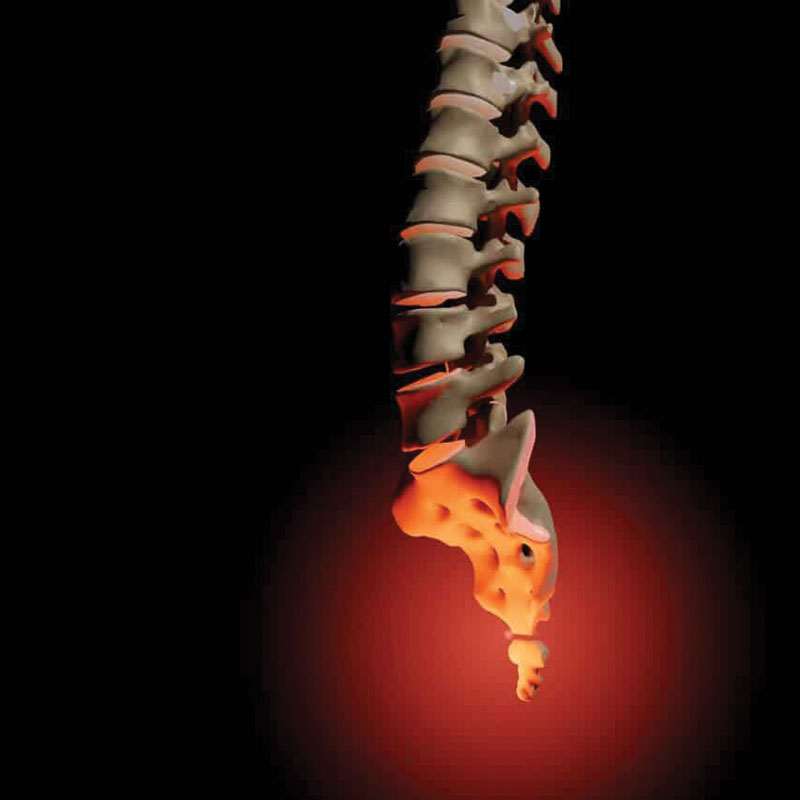
Overview of Coccydynia
Coccydynia is defined as persistent pain around the coccyx or tailbone, usually made worse by sitting or pressure on the area. Unlike temporary soreness from sitting on a hard surface, coccydynia tends to last weeks, months, or even longer without proper management.
The condition is relatively uncommon compared to other back and pelvic issues. Studies suggest that women are five times more likely than men to develop coccydynia, often due to childbirth or differences in pelvic structure. Obesity is another risk factor, since excess weight can increase pressure on the tailbone when sitting.
How does coccydynia affect daily life?
Coccydynia may seem like a small problem, but its impact can be wide-ranging:
- Work: Sitting for long hours at a desk or driving can become painful.
- Sport: Activities like cycling, rowing, or horseback riding may worsen symptoms.
- Sleep: Pain can make it difficult to find a comfortable position.
- Relationships: Discomfort may reduce participation in social activities.
- Mental health: Chronic pain often contributes to stress, irritability, or low mood.
In this way, coccydynia is not just a localized pain problem but a condition that can affect overall quality of life.
Symptoms of Coccydynia
Coccydynia symptoms vary in severity but usually share a common theme: tailbone pain that worsens with sitting or pressure.
What are the main symptoms of coccydynia?
Typical symptoms include:
- Localized pain at the base of the spine, often sharp or aching.
- Pain when sitting, especially on hard or narrow surfaces.
- Discomfort when rising from a seated to standing position.
- Pain during leaning back or prolonged sitting.
- Relief when standing or walking, as pressure on the coccyx decreases.
Some people also report:
- Radiating pain into the lower back, hips, or thighs.
- Tenderness when touching the tailbone.
- Pain during bowel movements or intercourse in severe cases.
Red flag symptoms
While coccydynia is usually benign, it’s important to recognize warning signs that may signal another condition:
- Unexplained weight loss
- Fever or chills (possible infection)
- Numbness, weakness, or bladder changes (possible spinal nerve issue)
- A hard lump or mass near the coccyx
If you notice these symptoms, seek medical attention promptly.
Causes and Risk Factors for Coccydynia
Coccydynia can result from trauma, repetitive strain, or structural issues in the coccyx.
Common causes
- Direct injury: A fall onto the buttocks can bruise or fracture the coccyx.
- Childbirth: Vaginal delivery may stretch or injure the ligaments around the coccyx.
- Repetitive strain: Sports like cycling or rowing can put ongoing pressure on the tailbone.
- Prolonged sitting: Sitting for long periods, especially on hard chairs, can irritate the coccyx.
Risk factors
Certain lifestyle and physical factors increase the chance of developing coccydynia:
- Female gender – due to pelvic anatomy and childbirth risks.
- Obesity – added weight puts pressure on the coccyx when sitting.
- Poor posture – slouching or leaning back increases tailbone strain.
- Occupations requiring prolonged sitting – such as truck driving or office work.
- Age-related changes – joints and ligaments near the coccyx can stiffen or weaken with age.
How is coccydynia different from similar conditions?
Coccydynia can sometimes be confused with low back pain, sciatica, or pelvic floor dysfunction. The difference is that coccydynia pain is highly localized at the tailbone and worsens specifically when sitting. In contrast, sciatica causes radiating leg pain, and low back pain usually affects a broader area of the spine.
References
Maigne JY, Doursounian L, Chatellier G. (2000). Causes and mechanisms of common coccydynia: role of body mass index and coccygeal trauma. Spine, 25(23):3072-3079. DOI: 10.1097/00007632-200005010-00015
Centers for Disease Control and Prevention (CDC). Chronic Pain and Impact on Health. https://www.cdc.gov/chronicpain
Diagnosis, Recovery, and Management
Coccydynia, or tailbone pain, requires careful evaluation, realistic recovery timelines, and practical management strategies. This section explains how the condition is diagnosed, what you can expect during recovery, and evidence-based approaches to managing symptoms for both short-term relief and long-term prevention.
Diagnosis of Coccydynia
Coccydynia is diagnosed through a combination of history, physical examination, and sometimes imaging tests. Because tailbone pain can overlap with other conditions like low back pain or pelvic floor dysfunction, a clear diagnosis is essential.
How do doctors test for coccydynia?
- Medical history: Your doctor will ask when the pain started, whether it was triggered by a fall, childbirth, or prolonged sitting, and what activities make it worse.
- Physical examination: Gentle pressure is applied to the coccyx to check for localized tenderness. The doctor may also assess how pain changes when you sit, stand, or lean forward.
- Functional tests: Some clinicians evaluate posture, gait (walking), and pelvic alignment to rule out other causes of pain.
Imaging:
- X-rays may be used to detect fractures or abnormal alignment.
- MRI scans can rule out rare but serious causes such as infection, tumors, or disc problems.
- Dynamic sitting/standing X-rays are sometimes used to check whether the coccyx moves excessively or abnormally.
Identifying the root cause
Practitioners aim to distinguish between:
- Traumatic causes (injury, fall, childbirth).
- Repetitive strain (cycling, rowing, sitting posture).
- Structural variations (curved or unstable coccyx).
- Other medical causes (rare cases of tumors or infection).
By identifying the root cause, your provider can recommend the most appropriate treatment pathway.
Recovery & Prognosis of Coccydynia
Coccydynia recovery depends on the severity, duration, and underlying cause of the pain. While many people improve within weeks, others may experience persistent symptoms.
How long does coccydynia usually take to heal?
- Mild cases (bruising or strain): Usually improve within a few weeks with conservative measures like cushions, rest, and posture adjustments.
- Moderate cases (ligament strain, prolonged sitting irritation): May take 2–3 months to fully settle, especially if daily activities keep aggravating the coccyx.
- Severe or chronic cases (fractures, significant misalignment, or long-standing pain): Can persist for 6 months or longer, requiring structured management strategies.
Risk of recurrence
Tailbone pain may return if the underlying cause (such as poor posture or repetitive strain) is not addressed. Preventive strategies, like ergonomic adjustments and strengthening exercises, reduce recurrence risk.
Return to activities
- Work: Desk-based workers may return quickly if cushions and breaks are used, but truck drivers or others sitting for long hours may need phased return-to-work planning.
- Sport: Athletes in rowing, cycling, or contact sports may require 6–12 weeks before resuming full intensity.
- Long-term lifestyle outcomes: With proper management, most people live symptom-free, but persistent cases may need ongoing strategies for sitting comfort, mental health support, and weight management.
Decision pathway for recovery
- If pain is mild and recent, use self-care (cushions, posture, anti-inflammatories).
- If pain persists beyond 6 weeks, seek medical evaluation for tailored therapy.
- If severe pain with red flag symptoms (fever, neurological signs, unexplained lump), immediate medical care is required.
This structured approach helps you and your provider decide whether simple at-home care is enough, or if more intensive interventions are needed.
Management of Coccydynia
Most cases of coccydynia can be managed without surgery. Evidence-based strategies include lifestyle modifications, physical therapies, and supportive care.
What’s the best way to manage coccydynia at home?
- Posture adjustments: Sit upright with hips above knees; avoid slouching.
- Special cushions: Use a doughnut or wedge-shaped cushion to reduce pressure.
- Heat or ice therapy: Apply for 15–20 minutes to ease soreness or inflammation.
- Pain relief: Over-the-counter medications (like NSAIDs) may help, but always follow medical guidance.
Self-help & relief tips (step-by-step)
- Choose proper seating – Use cushioned chairs; avoid hard benches.
- Lean forward slightly when sitting to reduce tailbone pressure.
- Stand up and move every 30–40 minutes to prevent stiffness.
- Practice gentle stretches targeting the lower back and hips.
- Strengthen your core and pelvic floor muscles for better posture support.
Additional therapies
- Physical therapy: Focus on pelvic floor relaxation, posture training, and strengthening exercises.
- Manual therapies: Some clinicians use massage or joint mobilization techniques.
- Psychological support: Because chronic pain can affect mood, stress management or counseling may be recommended.
- Injections: In severe cases, steroid or nerve block injections may be considered.
- Surgery (coccygectomy): Rarely required and reserved for cases unresponsive to all other treatments.
Multidisciplinary Coordinated Care for Coccydynia at CARESPACE
Managing coccydynia (tailbone pain) often requires more than a single therapy. At CARESPACE, you benefit from a team-based, multidisciplinary approach that addresses not just the physical discomfort, but also the contributing lifestyle and mental health factors. By integrating chiropractic, physiotherapy, massage therapy, psychotherapy, nutrition, and other disciplines, we help you recover faster, prevent recurrence, and improve your quality of life.
How does CARESPACE treat coccydynia differently?
Unlike traditional approaches that focus on one discipline, CARESPACE provides coordinated care across multiple providers. This means your physiotherapist, chiropractor, massage therapist, dietitian, and psychotherapist communicate and align your treatment plan. You won’t need to figure out who to see first or how to connect the dots—our team does that for you.
- A physiotherapist may start by assessing your posture, sitting habits, and core strength, creating a plan to relieve coccyx pressure.
- A massage therapist can address muscle tension in the hips, pelvic floor, and lower back that often worsens tailbone pain.
- A chiropractor may help restore mobility and alignment in the sacrum and lower spine, reducing coccyx strain.
- If pain has been long-lasting, a psychotherapist can support you with coping strategies for stress, anxiety, or insomnia that often come with chronic pain.
- Nutrition coaching may also be added if weight or inflammation are contributing factors.
This integrated model makes your care more personalized, holistic, and effective than seeing a single provider in isolation.
Why does a team approach help coccydynia recover faster?
Tailbone pain is rarely caused by one single issue. Instead, it usually results from a combination of physical stress, posture habits, and sometimes emotional strain. A team-based approach works because each discipline addresses part of the puzzle:
- Acute phase (first few weeks): Focus is on pain relief and protecting the coccyx with cushions, posture changes, gentle manual therapy, and massage.
- Subacute phase (weeks to months): Physiotherapy and chiropractic care gradually restore movement, while kinesiology and fitness coaching introduce safe strengthening exercises.
- Maintenance phase (long-term): Lifestyle optimization, nutrition support, and stress management strategies help prevent flare-ups and give you tools for long-term resilience.
Compared to single-discipline care, multidisciplinary coordination reduces recovery time, lowers the risk of recurrence, and improves overall well-being.
What services are included in coordinated coccydynia care at CARESPACE?
CARESPACE integrates a wide spectrum of services into one personalized plan:
- Chiropractic care – to correct misalignment and reduce coccyx stress.
- Physiotherapy – for posture, sitting mechanics, and tailored rehabilitation exercises.
- Massage therapy – targeting tight hip and lower back muscles that aggravate coccyx pain.
- Kinesiology & fitness training – building core and pelvic floor strength to improve sitting tolerance.
- Psychotherapy & coaching – to manage chronic pain stress, frustration, or insomnia.
- Nutrition & naturopathic support – addressing weight management, inflammation, and energy.
- Acupuncture – to reduce localized pain and promote natural healing.
This coordinated care plan ensures your physical, emotional, and lifestyle needs are addressed at the same time.
The mental health connection: stress, coping, and pain relief
Living with coccydynia can be frustrating—especially when sitting becomes painful during work, commuting, or social activities. Pain-related stress can lead to sleep problems, mood changes, and reduced quality of life. At CARESPACE, we integrate psychotherapy, mental performance coaching, and relaxation techniques into your care plan.
For example, a client who avoids long meetings due to pain may work with a physiotherapist on posture strategies while also meeting with a psychotherapist to reduce pain-related anxiety. This mind-body approach ensures you’re not only healing physically but also coping emotionally and mentally.
What makes CARESPACE’s approach unique for coccydynia?
- Coordinated care: Your providers share notes and adjust your plan together.
- Evidence-based practice: Every discipline uses validated methods backed by clinical research.
- Personalized treatment: No two coccydynia cases are the same; your plan is tailored to your history, body type, and goals.
Whole-person focus: CARESPACE addresses not just pain, but also posture, sleep, stress, diet, and movement habits.
This combination of science, teamwork, and personalization means you get faster relief, better long-term results, and confidence knowing all aspects of your health are supported.
Coccydynia, or tailbone pain, often overlaps with or mimics other musculoskeletal and pelvic conditions. To help you better understand the bigger picture, here we cover related conditions, common questions, and important compliance information.
Related Conditions for Coccydynia
Coccydynia can sometimes be mistaken for, or occur alongside, other conditions that cause lower back, pelvic, or buttock pain. Understanding these overlaps helps you and your care provider find the right diagnosis and treatment path.
- Sciatica – Nerve pain radiating from the lower back down the leg can feel similar to tailbone pain, especially if aggravated by sitting.
- Pelvic floor dysfunction – Weakness or tension in pelvic muscles may contribute to tailbone discomfort.
- Sacroiliac joint dysfunction – Misalignment or inflammation in the sacroiliac joints can mimic coccyx pain.
- Herniated discs – A bulging or slipped disc in the lumbar spine may cause pain in the same region.
- Pilonidal cysts or infections – Pain near the tailbone can sometimes stem from skin or tissue conditions rather than bone or joint issues.
If you want to explore other musculoskeletal or chronic pain conditions, visit our Conditions List for more detailed guides.
Disclaimer: This content is for informational purposes only and is not a substitute for professional medical advice. If you think you may have coccydynia, consult a qualified health provider.
Looking for information on a different condition? Visit our full Conditions List.
FAQs About Coccydynia
If you’re dealing with Coccydynia, you may have questions about symptoms, causes, and the best treatment options available. Below, we’ve outlined the most important information to help you understand Coccydynia, what recovery might look like, and how CARESPACE can support you with a personalized care plan.
The fastest way to relieve coccydynia pain is usually through reducing pressure on the tailbone. Using a donut or wedge cushion, leaning forward while sitting, and applying heat or ice can give short-term relief. Over-the-counter pain relievers and gentle stretching may also help.
For longer-term improvement, targeted therapies such as physiotherapy or massage can address muscle imbalances that contribute to the pain. Always speak with a healthcare provider before starting any treatment.
Disclaimer: This content is for informational purposes only and is not a substitute for professional medical advice. If you think you may have coccydynia, consult a qualified health provider.
Yes, mild coccydynia may go away on its own, especially if caused by temporary strain, minor trauma, or prolonged sitting. Many people see improvement within weeks by using cushions, avoiding long periods of sitting, and staying active.
However, if pain lasts longer than a few weeks or worsens, professional care is recommended. Chronic cases may need structured treatment plans involving physiotherapy, chiropractic, or other therapies.
Disclaimer: This content is for informational purposes only and is not a substitute for professional medical advice. If you think you may have coccydynia, consult a qualified health provider.
You should see a doctor for coccydynia if your pain lasts more than a few weeks, is severe, or affects your ability to sit, work, or sleep. Red flag signs such as numbness, weakness, fever, or unexplained weight loss may suggest another underlying condition and should be evaluated immediately.
Early medical evaluation helps rule out infections, fractures, or referred pain from the spine. Even if symptoms seem minor, seeking professional advice can speed recovery and prevent chronic discomfort.
Disclaimer: This content is for informational purposes only and is not a substitute for professional medical advice. If you think you may have coccydynia, consult a qualified health provider.
Gentle core strengthening, pelvic tilts, and hip stretches are often recommended for coccydynia. Examples include:
- Cat-cow stretches to mobilize the spine
- Glute bridges to support pelvic alignment
- Pelvic floor relaxation and breathing exercises
These help improve posture and reduce pressure on the coccyx. Avoid high-impact exercises or prolonged cycling until your symptoms improve. A physiotherapist can provide a tailored plan for safe recovery.
Disclaimer: This content is for informational purposes only and is not a substitute for professional medical advice. If you think you may have coccydynia, consult a qualified health provider.
For most people, sitting for long periods worsens coccydynia because direct pressure is placed on the tailbone. Hard chairs or poor posture often increase discomfort. Some people also find prolonged standing uncomfortable if it stresses the lower back and pelvis.
Adjusting your posture, taking frequent breaks, and using ergonomic cushions can make a big difference. Learning how to alternate sitting, standing, and moving throughout the day is key to managing symptoms.
Disclaimer: This content is for informational purposes only and is not a substitute for professional medical advice. If you think you may have coccydynia, consult a qualified health provider.
No, surgery is rarely required for coccydynia. Most people improve with non-surgical options such as physiotherapy, chiropractic adjustments, massage therapy, and lifestyle changes.
Surgery, such as coccygectomy (removal of the coccyx), is considered only in severe, persistent cases where all conservative treatments have failed. Since surgery carries risks, it is usually a last resort.
Disclaimer: This content is for informational purposes only and is not a substitute for professional medical advice. If you think you may have coccydynia, consult a qualified health provider.
You can prevent coccydynia from recurring by:
- Using cushions for prolonged sitting
- Practicing good posture and ergonomics
- Strengthening your core and pelvic muscles
- Maintaining a healthy weight
- Avoiding long periods of sitting without breaks
By making these adjustments, you reduce stress on the coccyx and improve long-term comfort. Prevention is often about building healthy movement and sitting habits.
Disclaimer: This content is for informational purposes only and is not a substitute for professional medical advice. If you think you may have coccydynia, consult a qualified health provider.
While both conditions cause discomfort in the same region, coccydynia is specifically pain in the tailbone, often made worse by sitting. Lower back pain can involve muscles, ligaments, joints, or nerves in the lumbar spine and may radiate into the legs.
Distinguishing between the two requires a medical evaluation, as treatments differ. For example, lower back pain may respond more to core strengthening and spinal therapy, while coccydynia often requires pressure-relieving strategies.
Disclaimer: This content is for informational purposes only and is not a substitute for professional medical advice. If you think you may have coccydynia, consult a qualified health provider.
Articles on Coccydynia
For more information, you can view all coccydynia articles on our resource hub.
Authorship & Disclaimer
Reviewed by: Dr. Tyler Baron, Chiropractor
Last Updated: September 17th 2025
Disclaimer: This content is for informational purposes only and is not a substitute for professional medical advice. If you think you may have Coccydynia, consult a qualified health provider.