
Chronic Kidney Disease – Symptoms, Causes, and Treatment Options
Chronic kidney disease (CKD) is a long-term condition where your kidneys gradually lose their ability to filter waste and excess fluids from your blood. This buildup can affect nearly every part of your body, leading to fatigue, swelling, and changes in blood pressure. CKD often develops slowly over time and may not show symptoms in the early stages, which is why regular screening and awareness are so important.
Many people with chronic kidney disease find support and improved health with nutrition for chronic kidney disease, where personalized dietary plans help protect kidney function and manage symptoms. Naturopathic medicine for chronic kidney disease may also provide natural strategies to reduce inflammation, balance energy, and support overall wellness. Working with a psychotherapist for chronic kidney disease can help you cope with the emotional challenges, stress, and lifestyle adjustments that often come with managing a long-term condition. Together, these services offer a compassionate, holistic approach to improving both physical and emotional wellbeing.
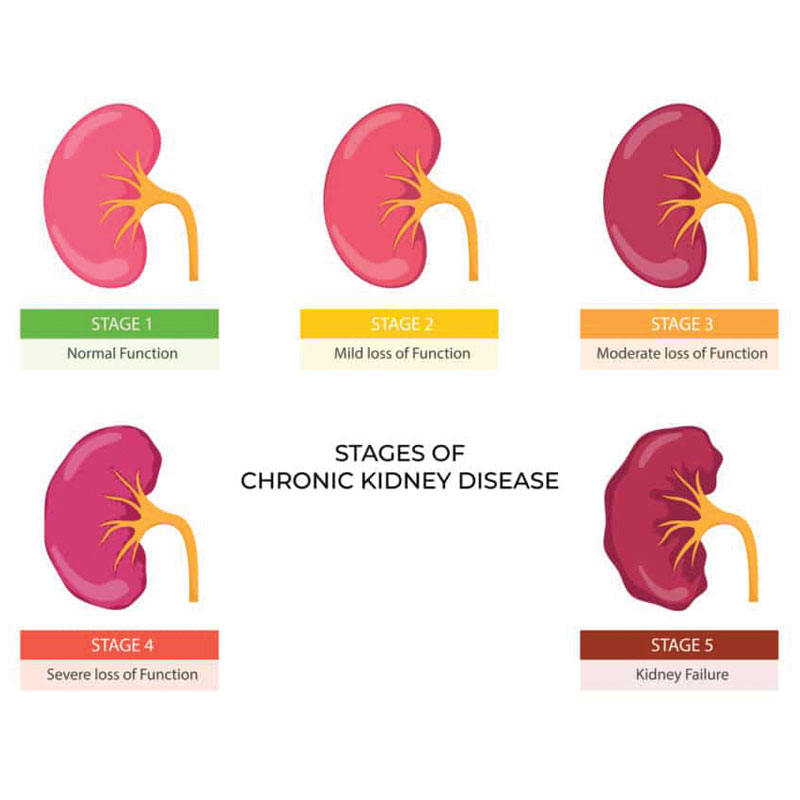
Overview of Chronic Kidney Disease
Chronic kidney disease is a progressive condition that can significantly impact daily life, work, relationships, and long-term health. Your kidneys play a crucial role in removing toxins, balancing electrolytes, and regulating blood pressure. When they lose function, even partially, your body begins to experience noticeable changes.
How common is CKD?
CKD affects approximately 10–15% of adults worldwide, according to the World Health Organization. Prevalence increases with age and with chronic conditions like diabetes or hypertension. Many people do not realize they have CKD until it has advanced, since mild kidney damage may not cause symptoms.
Daily life impact of CKD
- Work and concentration – Fatigue and brain fog may make it harder to stay focused at work.
- Sports and exercise – Muscle cramps and decreased stamina can limit activity levels.
- Sleep – Toxins in the blood can cause insomnia or restless leg syndrome.
- Relationships – Chronic fatigue and dietary restrictions may affect social life and intimacy.
- Mental health – Living with CKD often causes stress, anxiety, or depression due to uncertainty about long-term health.
Why is CKD serious?
Left untreated, CKD can progress to end-stage renal disease (ESRD), which may require dialysis or kidney transplantation. It also raises the risk of cardiovascular problems, since the kidneys and heart work closely together.
(Reference: Centers for Disease Control and Prevention (CDC). 2023. “Chronic Kidney Disease in the United States, 2023.” Available at: https://www.cdc.gov/kidneydisease/publications-resources/ckd-national-facts.html)
Symptoms of Chronic Kidney Disease
The symptoms of chronic kidney disease often develop gradually, becoming more noticeable as kidney function declines. Early stages may be silent, but as the condition progresses, physical, psychological, and lifestyle impacts emerge.
What are the main symptoms of chronic kidney disease?
- Physical signs: Fatigue, swelling in ankles/feet, puffiness around the eyes, muscle cramps, nausea, or frequent urination (especially at night).
- Functional impacts: Reduced ability to exercise, shortness of breath, decreased appetite, and changes in blood pressure.
- Psychological impacts: Mood swings, difficulty concentrating, sleep disturbances, and anxiety about long-term health.
Red flag symptoms that need urgent care
- Severe swelling (edema) that makes it difficult to walk or breathe.
- Persistent nausea and vomiting.
- Chest pain or shortness of breath (could signal fluid buildup in the heart or lungs).
- Sudden confusion or neurological changes.
How CKD affects daily life
Someone with moderate CKD may feel tired throughout the day, have difficulty sleeping, and notice swelling after long periods of standing. Social activities may feel overwhelming because of fatigue or dietary restrictions. For athletes, performance often declines due to lower stamina and muscle recovery issues. For parents or professionals, CKD may make balancing responsibilities harder due to unpredictable energy levels.
How is CKD different from acute kidney injury?
Acute kidney injury (AKI) occurs suddenly (often within days or weeks) and may be reversible with treatment. Chronic kidney disease, however, develops slowly over months or years and is usually permanent, though progression can be slowed.
(Reference: National Kidney Foundation. 2022. “Symptoms of Chronic Kidney Disease.” Available at: https://www.kidney.org/atoz/content/about-chronic-kidney-disease)
Causes and Risk Factors for Chronic Kidney Disease
Chronic kidney disease usually develops from other long-term health problems that strain or damage the kidneys. While genetics may play a role, lifestyle and chronic medical conditions are the strongest drivers.
What causes chronic kidney disease?
- Diabetes – High blood sugar damages small blood vessels in the kidneys, making this the #1 cause of CKD worldwide.
- High blood pressure (hypertension) – Increased pressure damages kidney tissue over time.
- Glomerulonephritis – Inflammation of the kidney’s filtering units.
- Polycystic kidney disease (PKD) – A genetic disorder that causes fluid-filled cysts in the kidneys.
- Long-term use of certain medications – Overuse of NSAIDs (ibuprofen, naproxen) can strain the kidneys.
Lifestyle and demographic risk factors
- Age – Risk increases significantly after age 60.
- Obesity – Excess body weight raises blood pressure and diabetes risk.
- Smoking – Reduces blood flow to the kidneys, worsening function.
- Occupation/environment – Exposure to toxins, dehydration, or heat stress can raise risk.
- Pregnancy complications – Conditions like preeclampsia can affect long-term kidney health.
How do risk factors combine?
For example, someone with diabetes and hypertension is at a much higher risk than someone with just one condition. Similarly, combining lifestyle factors (smoking, obesity, and sedentary habits) with genetic predisposition accelerates disease progression.
Comparing CKD risk to other conditions
Unlike heart disease, which often presents with chest pain, CKD may not have obvious symptoms until advanced stages. This makes preventive screening—blood tests for kidney function and urine tests for protein—essential if you have risk factors.
(Reference: National Institute of Diabetes and Digestive and Kidney Diseases (NIDDK). 2021. “Causes of Chronic Kidney Disease.” Available at: https://www.niddk.nih.gov/health-information/kidney-disease/chronic-kidney-disease-ckd/causes)
Chronic Kidney Disease – Diagnosis, Recovery, and Management
Chronic kidney disease (CKD) is most often detected through blood and urine tests before symptoms become severe. Understanding how it is diagnosed, what recovery and prognosis look like, and the best management strategies can help you make informed decisions about your health.
Diagnosis of Chronic Kidney Disease
Chronic kidney disease is diagnosed through a combination of medical history, physical examination, blood and urine testing, and imaging studies. Since early CKD often has no symptoms, routine screening is essential for people with risk factors such as diabetes, high blood pressure, or a family history of kidney problems.
How do doctors test for chronic kidney disease?
The main diagnostic tools for CKD include:
- Blood tests: The glomerular filtration rate (GFR) is calculated from a blood creatinine test to measure how well your kidneys are filtering waste.
- Urine tests: Protein in the urine (albuminuria) is a key sign of kidney damage.
- Imaging: Ultrasound or CT scans may check kidney size, structure, and for conditions like polycystic kidney disease.
- Physical exam: Blood pressure checks, swelling assessment, and overall health review.
Doctors also consider your medical history, including long-term conditions like diabetes, heart disease, or hypertension. Together, these results determine the stage of CKD (from stage 1 – mild to stage 5 – kidney failure).
How is chronic kidney disease different from other kidney issues?
Unlike acute kidney injury, which happens suddenly and may be reversible, CKD is a slow, progressive condition that often requires lifelong management. Early detection is key to slowing its progression.
(Reference: National Kidney Foundation. 2022. “Tests for Chronic Kidney Disease.” https://www.kidney.org/atoz/content/about-chronic-kidney-disease)
Recovery & Prognosis of Chronic Kidney Disease
Chronic kidney disease usually cannot be fully reversed, but with proper treatment, its progression can be slowed and symptoms can be managed. Prognosis depends on the stage of CKD, overall health, and how well you manage risk factors.
How long does chronic kidney disease take to progress?
- Mild CKD (stages 1–2): May remain stable for years with lifestyle changes and medication.
- Moderate CKD (stage 3): Symptoms such as fatigue and swelling may begin, requiring closer monitoring.
- Severe CKD (stages 4–5): Kidney function is severely impaired; dialysis or transplant may be needed.
Factors that affect long-term outcomes
- Control of blood pressure and blood sugar greatly reduces risk of progression.
- Lifestyle changes like quitting smoking and improving diet lower strain on the kidneys.
- Medication adherence is essential for slowing progression and preventing complications.
- Recurrence risk increases if other conditions, such as diabetes, are poorly managed.
Return-to-life outcomes
- Work: Many people with early-stage CKD can continue working with minor adjustments, though fatigue may require pacing.
- Sports & fitness: Moderate exercise is often safe and beneficial but must be tailored to energy levels.
- Lifestyle: With careful management, many people live for years with CKD while maintaining quality of life.
If/then decision pathway for prognosis
- If you have mild CKD (stage 1–2) → lifestyle changes and regular checkups may keep kidney function stable.
- If you have moderate CKD (stage 3) → you may need medication to control blood pressure, diabetes, and anemia.
- If you have severe CKD (stage 4–5) → treatment plans may include dialysis or transplant planning.
(Reference: Centers for Disease Control and Prevention (CDC). 2023. “Chronic Kidney Disease Initiative.” https://www.cdc.gov/kidneydisease)
How to Manage Chronic Kidney Disease
Managing chronic kidney disease involves a mix of lifestyle changes, medical treatment, and self-care strategies designed to slow progression and maintain your quality of life.
What is the best way to manage chronic kidney disease at home?
Daily strategies may include:
- Healthy eating: Following a kidney-friendly diet (low sodium, balanced protein, limited processed foods).
- Blood pressure and blood sugar control: Taking medications as prescribed and monitoring regularly.
- Activity modification: Light-to-moderate exercise like walking, swimming, or cycling to support heart and kidney health.
- Stress management: Practicing relaxation techniques, therapy, or support groups to cope with chronic illness.
Self-help & relief tips
- Stay hydrated, but don’t overdo it – fluid needs vary by stage of CKD.
- Reduce salt intake – too much sodium raises blood pressure and worsens kidney strain.
- Quit smoking – smoking speeds up kidney damage and increases heart disease risk.
- Maintain a healthy weight – weight loss reduces strain on kidneys.
- Monitor medications – avoid unnecessary NSAIDs (ibuprofen, naproxen) which can harm kidneys.
Medical & supportive management
- Medication management: ACE inhibitors, ARBs, or other drugs to control blood pressure and protect kidney function.
- Specialist care: Nephrologists coordinate treatment as CKD progresses.
- Mental health support: Psychotherapy or counseling for stress, anxiety, or depression linked to chronic illness.
- Community support: Patient groups and education programs help improve adherence and quality of life.
Comparing management approaches
Someone with early CKD might only need dietary changes, blood pressure control, and regular monitoring, while a person with advanced CKD may require dialysis planning. This makes individualized care essential.
(Reference: Kidney Disease: Improving Global Outcomes (KDIGO) Clinical Practice Guideline, 2022. https://kdigo.org)
Multidisciplinary Care for Chronic Kidney Disease at CARESPACE
At CARESPACE, chronic kidney disease (CKD) is treated with a coordinated, multidisciplinary approach that integrates physical health, mental health, and lifestyle support. Instead of isolated treatments, you receive care from a team of specialists who work together to create a personalized plan designed to slow progression, improve quality of life, and prevent complications.
How does CARESPACE treat chronic kidney disease differently?
Most standard care for chronic kidney disease focuses on medication and monitoring kidney function. At CARESPACE, the difference lies in bringing together multiple disciplines under one roof so your care is not fragmented. This means:
- Your physiotherapist may help you stay active safely, reducing fatigue and improving circulation.
- A dietitian can guide you in following a kidney-friendly diet tailored to your stage of CKD.
- Psychotherapists and coaches provide support for stress, depression, or insomnia that often accompany chronic illness.
- Fitness trainers and kinesiologists help you maintain strength and energy without overstraining your body.
- This integrated model ensures that you are supported not only medically but also physically, emotionally, and socially.
Why does a team approach help chronic kidney disease recovery faster?
A team approach means every part of your health is addressed together, not in silos. When your providers communicate and share goals, you benefit from faster progress and reduced risk of setbacks. For example:
- If you’re dealing with muscle weakness from CKD-related fatigue, a physiotherapist and kinesiologist collaborate to build a safe exercise program, while massage therapy eases tension and improves circulation.
- If you experience stress or anxiety about dialysis, a psychotherapist works alongside your care team, teaching coping strategies while your dietitian supports healthy eating to reduce physical strain.
- If high blood pressure is part of your kidney disease, your chiropractor, physiotherapist, and exercise coach may address posture, mobility, and safe activity modifications to reduce cardiovascular risk.
By aligning physical, mental, and lifestyle care, CARESPACE helps you stay healthier and more resilient throughout all stages of CKD.
How does CARESPACE support the mental health side of chronic kidney disease?
Living with CKD can be emotionally challenging. You may feel stressed, anxious, or struggle with poor sleep. At CARESPACE, your care plan recognizes that mental health is just as important as physical health.
- Psychotherapy offers tools to manage fear, stress, and lifestyle adjustments.
- Coaching and mental performance training help you stay motivated and engaged in self-care.
- Nutrition counseling can also support better mood and energy by balancing diet with kidney-safe foods.
- Group support and community connections reduce isolation and provide encouragement from others managing long-term conditions.
This integrated care improves not only your emotional well-being but also your ability to follow through with treatments and lifestyle changes.
The CARESPACE care journey for chronic kidney disease
Your care is designed in phases, evolving as your needs change.
- Acute phase (new diagnosis or worsening symptoms): You may start with medical assessment, nutrition support, and stress-reduction strategies.
- Subacute phase (stabilizing): Physiotherapy, exercise guidance, and massage may be added to help manage fatigue, mobility, or pain.
- Maintenance phase (long-term living with CKD): Ongoing support from multiple providers helps you maintain stability, prevent complications, and live as actively as possible.
For example, someone with stage 3 CKD might begin with a nutrition plan, add fitness coaching to maintain strength, and later receive counseling to manage dialysis-related stress. This personalized, evolving approach ensures care is always relevant to your current health and lifestyle.
Why CARESPACE’s multidisciplinary care is the best choice for chronic kidney disease
CARESPACE offers a unique advantage over single-discipline care. While traditional kidney care may focus only on lab results and medications, our coordinated model provides:
- Faster recovery and improved energy through integrated physical and mental health strategies.
- Lower recurrence risk by addressing lifestyle, posture, stress, and diet alongside medical treatment.
- Personalized care that adapts as your condition changes, ensuring you feel supported at every stage.
- Evidence-based treatments delivered by a connected team, reducing confusion and overlap in your care.
When managing a long-term condition like CKD, having a team that works together for you can make all the difference in your quality of life.
Related Conditions for Chronic Kidney Disease
Chronic kidney disease (CKD) often overlaps with or can be mistaken for other health conditions. Because CKD affects the way your kidneys filter waste and balance fluids, it shares symptoms with several other disorders. For example, chronic dehydration, heart failure, and uncontrolled high blood pressure can mimic CKD’s early warning signs such as fatigue, swelling, and shortness of breath.
Other related conditions include:
- Diabetes mellitus – One of the most common causes of CKD, as high blood sugar can damage the small blood vessels in the kidneys.
- Hypertension (high blood pressure) – Both a cause and complication of CKD, as elevated pressure can strain the kidneys.
- Polycystic kidney disease (PKD) – A genetic condition that leads to multiple fluid-filled cysts in the kidneys.
- Acute kidney injury (AKI) – A sudden loss of kidney function that may resolve or progress into CKD if not treated.
- Urinary tract obstruction – Long-term blockage from kidney stones or prostate enlargement can reduce kidney function.
Because these conditions are interconnected, many people with CKD also need evaluation for cardiovascular disease, anemia, or bone health issues. To learn more, visit our Conditions List.
Disclaimer: This content is for informational purposes only and is not a substitute for professional medical advice. If you think you may have chronic kidney disease, consult a qualified health provider.
Looking for information on a different condition? Visit our full Conditions List.
FAQs About Chronic Kidney Disease
If you’re dealing with Chronic Kidney Disease, you may have questions about symptoms, causes, and the best treatment options available. Below, we’ve outlined the most important information to help you understand Chronic Kidney Disease, what recovery might look like, and how CARESPACE can support you with a personalized care plan.
The fastest relief for chronic kidney disease symptoms usually comes from managing the underlying cause—such as controlling blood pressure, blood sugar, or fluid balance. Short-term relief may involve adjusting your diet (for example, lowering salt or protein intake), taking prescribed medications, and following your doctor’s advice for fluid management. Long-term relief focuses on slowing disease progression through lifestyle changes, regular monitoring, and coordinated care.
This content is for informational purposes only and is not a substitute for professional medical advice. If you think you may have chronic kidney disease, consult a qualified health provider.
No, chronic kidney disease does not go away on its own because it involves ongoing, gradual damage to kidney function. Unlike an acute illness, CKD typically progresses if left untreated. However, early stages can be stabilized with medication, diet, exercise, and regular monitoring. Many people live for decades with CKD if they manage their condition carefully.
This content is for informational purposes only and is not a substitute for professional medical advice. If you think you may have chronic kidney disease, consult a qualified health provider.
You should see a doctor if you notice symptoms such as persistent fatigue, swelling in your legs or ankles, foamy urine, high blood pressure, or unexplained nausea. Even if you have no obvious symptoms, you should be checked regularly if you have risk factors like diabetes, hypertension, or a family history of kidney disease. Early detection is critical because treatment is most effective before kidneys lose significant function.
This content is for informational purposes only and is not a substitute for professional medical advice. If you think you may have chronic kidney disease, consult a qualified health provider.
Lifestyle changes for CKD focus on reducing strain on your kidneys. Key adjustments include:
- Following a kidney-friendly diet (low in salt, controlled protein, balanced potassium and phosphorus).
- Staying active with regular, low-impact exercise.
- Quitting smoking and limiting alcohol.
- Getting enough sleep and managing stress.
These changes not only help kidney health but also protect your heart and blood vessels, which are closely linked to kidney function.
This content is for informational purposes only and is not a substitute for professional medical advice. If you think you may have chronic kidney disease, consult a qualified health provider.
Sitting or standing alone does not cause CKD to worsen, but prolonged inactivity can contribute to complications like swelling, poor circulation, and high blood pressure. People with CKD often benefit from balanced activity—light walking, stretching, and gentle exercise to keep muscles strong and improve circulation. Avoid long periods of sitting or standing still without movement.
This content is for informational purposes only and is not a substitute for professional medical advice. If you think you may have chronic kidney disease, consult a qualified health provider.
No, dialysis is not always required. Dialysis is typically only necessary in advanced CKD (usually stage 5, or end-stage kidney failure) when kidneys can no longer filter waste adequately. Many people with mild to moderate CKD manage their condition for years without dialysis, using lifestyle changes, medication, and close monitoring.
This content is for informational purposes only and is not a substitute for professional medical advice. If you think you may have chronic kidney disease, consult a qualified health provider.
While CKD cannot usually be reversed, you can slow or prevent progression by controlling blood pressure, managing diabetes, maintaining a healthy weight, following a kidney-safe diet, and keeping regular medical appointments. Preventing recurrence of acute kidney injuries, avoiding unnecessary NSAID painkillers, and staying hydrated are also key strategies.
This content is for informational purposes only and is not a substitute for professional medical advice. If you think you may have chronic kidney disease, consult a qualified health provider.
Acute kidney injury (AKI) develops suddenly, often after severe dehydration, infection, or medication side effects, and it can sometimes be reversed. Chronic kidney disease, on the other hand, develops slowly over months or years and usually cannot be reversed—only managed. The distinction is important because AKI may heal with treatment, while CKD requires long-term lifestyle and medical management.
This content is for informational purposes only and is not a substitute for professional medical advice. If you think you may have chronic kidney disease, consult a qualified health provider.
Articles on Chronic Kidney Disease

For more information, you can view all chronic kidney disease articles on our resource hub.
Authorship & Disclaimer
Reviewed by: Dr. Lindsay Bast, Naturopathic Doctor
Last Updated: September 7th, 2025
Disclaimer: This content is for informational purposes only and is not a substitute for professional medical advice. If you think you may have Chronic Kidney Disease, consult a qualified health provider.