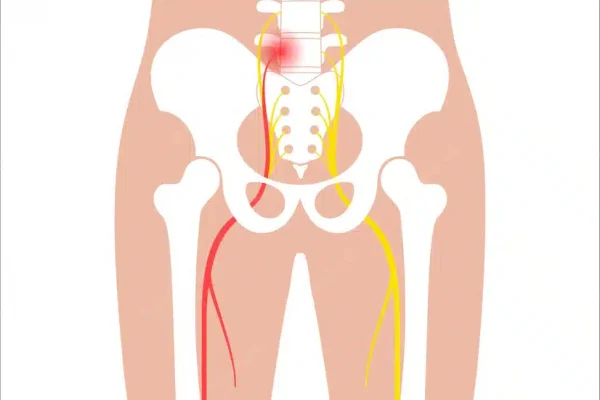
Sciatica pain can be an incredibly debilitating condition that affects millions of people worldwide. It’s a condition characterized by pain that radiates along the path of the sciatic nerve, which branches from your lower back through your hips and buttocks and down each leg. The pain can range from mild to severe and is often accompanied by numbness, tingling, or muscle weakness in the affected leg. Many people suffering from sciatica wonder if sleeping can help alleviate their pain. Let’s explore this question in depth and discuss how CARESPACE’s integrated approach can provide relief.
Understanding Sciatica
To understand how sleeping might impact sciatica, it’s essential first to understand what causes this pain. Sciatica typically occurs when the sciatic nerve is compressed or irritated. This can be due to various reasons, such as a herniated disk, bone spurs on the spine, or spinal stenosis (narrowing of the spine). The pain associated with sciatica can be severe and persistent. It often worsens with prolonged sitting, standing, or sudden movements. Therefore, finding effective ways to manage and alleviate this pain is crucial for those affected.
Can Sleeping Heal Sciatica Pain?
Sleeping itself doesn’t heal sciatica pain directly, but good sleep hygiene and proper sleeping positions can significantly alleviate discomfort and aid in the healing process. Here’s how:
1. Rest and Recovery: Quality sleep is essential for the body’s overall health and recovery. When you sleep, your body undergoes repair processes that can help reduce inflammation and promote healing. For individuals with sciatica, ensuring adequate and restful sleep can contribute to pain reduction and overall recovery.
2. Proper Sleeping Positions: Sleeping in positions that align the spine and reduce pressure on the sciatic nerve can help manage pain. For instance, sleeping on your back with a pillow under your knees or on your side with a pillow between your legs can help keep your spine in a neutral position and reduce nerve irritation.
3. Mattress and Pillow Support: Using a firm mattress and appropriate pillows can support your spine and reduce pressure points that might exacerbate sciatica pain. An unsupportive mattress can lead to poor spinal alignment, increasing sciatic nerve irritation.
4. Sleep Hygiene: Establishing good sleep habits, such as maintaining a regular sleep schedule, creating a restful sleep environment, and avoiding stimulants before bedtime, can improve the quality of sleep. Good sleep hygiene practices can help manage the stress and discomfort associated with sciatica.
CARESPACE’s Approach to Sciatica Management
While sleeping can aid in managing sciatica pain, it’s often not enough on its own to address the underlying issues causing the pain. This is where CARESPACE’s multidisciplinary approach comes into play. CARESPACE offers a coordinated care plan that involves various practitioners working together to provide comprehensive and personalized treatment for sciatica.
The Role of Physiotherapists
Physiotherapists at CARESPACE play a crucial role in managing sciatica pain. They use a combination of exercises, manual therapy, and education to help clients manage their symptoms and improve their overall function.
1. Exercise: Physiotherapists design specific exercise programs tailored to strengthen the muscles supporting the spine, improve flexibility, and enhance overall posture. These exercises help sciatica by relieving the pressure on the sciatic nerve and reduce pain.
2. Manual Treatment: Techniques such as spinal mobilization, soft tissue massage, and other hands-on treatments can help reduce pain and improve mobility. Manual treatment can also address muscle imbalances and joint restrictions contributing to sciatica.
3. Education and Ergonomics: Physiotherapists educate clients on proper body mechanics, posture, and ergonomics to prevent further irritation of the sciatic nerve. This education is vital for long-term pain management and prevention of future episodes.
The Role of Chiropractic Doctors
Chiropractic doctors at CARESPACE also play a vital role in the integrated approach to treating sciatica. They focus on diagnosing and treating musculoskeletal issues through non-invasive techniques.
1. Spinal Adjustments: Chiropractors perform spinal adjustments to realign the vertebrae, reduce nerve compression, and promote optimal spinal health. These adjustments can relieve pressure on the sciatic nerve, reducing pain and improving function.
2. Postural Correction: Chiropractors work on correcting postural issues that might be contributing to sciatica. Proper spinal alignment can help alleviate pressure on the sciatic nerve and improve overall spinal health.
3. Complementary Treatments: Chiropractors may also use complementary treatments such as ultrasound, electrical stimulation, and cold/heat therapy to enhance the healing process and provide pain relief.
A Team-Based Approach
At CARESPACE, physiotherapists and chiropractic doctors collaborate closely to provide a comprehensive and coordinated care plan for individuals suffering from sciatica. This team-based approach ensures that all aspects of a client’s condition are addressed, leading to more effective and long-lasting results.
1. Comprehensive Assessment: The care process begins with a thorough assessment by both physiotherapists and chiropractors to identify the root cause of the sciatica and any contributing factors.
2. Personalized Treatment Plan: Based on the assessment, a personalized treatment plan is developed, incorporating the expertise of both physiotherapists and chiropractors. This plan may include exercise therapy, spinal adjustments, manual therapy, and education on lifestyle modifications.
3. Ongoing Monitoring and Adjustments: The CARESPACE team continuously monitors the client’s progress and makes necessary adjustments to the treatment plan to ensure optimal results. This dynamic approach ensures that the treatment remains effective and responsive to the client’s needs.
While sleeping itself may not directly heal sciatica pain, proper sleep hygiene, supportive sleeping positions, and a good mattress can significantly contribute to pain management and recovery. However, addressing the root causes of sciatica and providing comprehensive care requires a multidisciplinary approach. CARESPACE’s integrated approach, involving physiotherapists and chiropractic doctors working together, offers a holistic solution for managing and treating sciatica. Through a combination of exercise therapy, manual therapy, spinal adjustments, and client education, CARESPACE provides effective and long-lasting relief for individuals suffering from sciatica. If you’re struggling with sciatica pain, consider seeking the expert care at CARESPACE to help you achieve your health goals and live a pain-free life.