
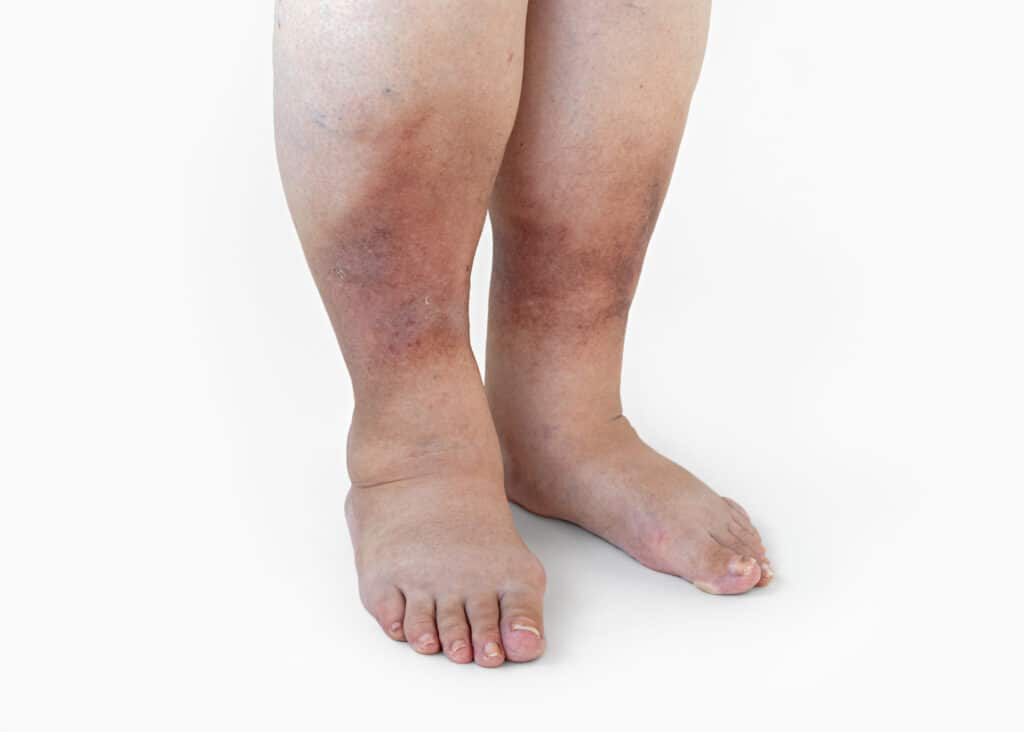
Understanding Edema
Edema, also known as swelling, is a condition characterized by an excess accumulation of fluid in the body’s tissues. This condition can occur in various parts of the body, including the legs, feet, ankles, and hands. Edema can be caused by a range of factors, such as prolonged standing or sitting, pregnancy, certain medications, and underlying health conditions like heart failure, kidney disease, or liver cirrhosis. The swelling results from the movement of fluid from the blood vessels into the surrounding tissues, which can lead to discomfort, pain, and decreased mobility.
Edema can be classified into different types based on its underlying cause and location. Peripheral edema affects the limbs and is commonly seen in conditions like venous insufficiency or deep vein thrombosis. Pulmonary edema involves the accumulation of fluid in the lungs, leading to breathing difficulties and is often associated with heart conditions. Cerebral edema affects the brain and can result from head injuries, infections, or strokes, while macular edema impacts the eyes and is a complication of diabetes.
The severity of edema can vary from mild to severe, and it may be accompanied by other symptoms such as stretched or shiny skin, a feeling of heaviness, and decreased flexibility of the affected joints. Diagnosing edema involves a thorough medical history, physical examination, and sometimes imaging tests or blood tests to determine the underlying cause. Early detection and management are crucial to prevent complications and improve the quality of life for individuals affected by this condition.
Nutrition and Lifestyle
Proper nutrition and lifestyle choices play a crucial role in managing and preventing edema. Maintaining a balanced diet that is low in sodium is essential, as excessive salt intake can lead to fluid retention and worsen swelling. Incorporating foods rich in potassium, such as bananas, spinach, and sweet potatoes, can help counteract the effects of sodium and support fluid balance in the body. Adequate hydration is also important, as it helps flush out excess sodium and toxins, reducing the likelihood of fluid accumulation.
Regular physical activity is another key component in managing edema. Exercise promotes healthy blood circulation and helps prevent the pooling of fluids in the extremities. Low-impact activities like walking, swimming, and yoga can be particularly beneficial. These exercises not only enhance circulation but also improve overall muscle tone and flexibility, which can help reduce the risk of swelling. It is important to consult with a healthcare provider before starting any exercise regimen, especially if there are underlying health conditions.
Elevating the affected limbs can also help reduce swelling by encouraging the return of fluid to the heart. This can be done by propping the legs up on pillows while sitting or lying down. Compression garments, such as socks or stockings, can provide additional support by applying gentle pressure to the affected areas, helping to prevent fluid buildup.
Incorporating stress-reducing techniques like meditation, deep breathing exercises, and mindfulness can also be beneficial. Chronic stress can negatively impact circulation and fluid balance, so managing stress levels is important for overall health. Additionally, avoiding prolonged periods of standing or sitting, and taking breaks to move around and stretch, can help prevent fluid accumulation.
Management and Treatment
Chiropractic Care
Chiropractic care can be a valuable component in the management of edema, particularly when the condition is related to musculoskeletal issues. Chiropractors focus on the alignment and function of the spine and joints, which can influence overall circulation and fluid balance. Through spinal adjustments and manipulations, chiropractors can help improve the flow of lymphatic fluid and blood, reducing swelling and promoting healing. Chiropractic care also involves a holistic approach to health, addressing lifestyle factors that may contribute to edema. Chiropractors often provide guidance on posture, ergonomics, and exercise routines that can enhance circulation and prevent fluid retention. By improving the alignment of the body and optimizing nerve function, chiropractic care can support the body’s natural ability to manage and reduce swelling.
Massage
Massage is another effective treatment for edema. Various massage techniques, such as lymphatic drainage massage, are specifically designed to stimulate the lymphatic system and promote the removal of excess fluid from the tissues. This type of massage involves gentle, rhythmic movements that encourage the flow of lymphatic fluid towards the lymph nodes, where it can be processed and eliminated from the body. Massage can also improve blood circulation, reduce muscle tension, and enhance overall relaxation, which can help alleviate the discomfort associated with edema. It is important to seek treatment from an RMT who is experienced in working with individuals with edema, as improper techniques can sometimes exacerbate the condition.
Naturopathic Medicine
Naturopathic medicine offers a range of natural treatments that can help manage edema. Naturopathic doctors focus on identifying and addressing the root cause of the condition, rather than just treating the symptoms. They may use a combination of dietary recommendations, herbal remedies, and lifestyle modifications to support the body’s natural healing processes. Herbal diuretics, such as dandelion and nettle, can help reduce fluid retention by promoting the excretion of excess water through the urine. Anti-inflammatory herbs, such as turmeric and ginger, can also be beneficial in reducing swelling and improving circulation. Naturopathic doctors may also recommend specific dietary supplements, such as magnesium and vitamin B6, which can help support fluid balance and reduce edema.
Recovery and Prognosis
The recovery and prognosis for individuals with edema depend largely on the underlying cause and the effectiveness of the treatment plan. In many cases, edema can be managed successfully with lifestyle modifications, dietary changes, and appropriate medical interventions. Early detection and treatment are key to preventing complications and improving outcomes.
For individuals with edema related to chronic conditions, such as heart failure or kidney disease, ongoing management and regular monitoring by healthcare professionals are essential. In these cases, edema may be a recurring issue that requires continuous attention and adjustment of treatment strategies. Adhering to a comprehensive treatment plan that includes medical care, nutrition, and lifestyle changes can help minimize the impact of edema on daily life.
In cases where edema is caused by temporary factors, such as pregnancy or prolonged sitting, the condition often resolves on its own once the underlying cause is addressed. For example, postpartum edema usually subsides within a few weeks after childbirth, as the body adjusts and returns to its pre-pregnancy state. Similarly, edema caused by long flights or standing for extended periods can be alleviated through movement, hydration, and compression garments.
The prognosis for edema is generally favorable when the condition is managed effectively. With proper care and attention, individuals can reduce swelling, improve mobility, and enhance their overall quality of life. Regular follow-ups with healthcare providers, adherence to treatment recommendations, and a proactive approach to health and wellness are crucial components of successful edema management.
Pain and Symptom Management
Managing the pain and discomfort associated with edema is an important aspect of treatment. While medications are often used to manage pain, there are numerous non-pharmacological approaches that can be effective in alleviating symptoms.
Compression treatment is one of the most common methods for managing edema-related pain. Compression garments, such as socks, stockings, or sleeves, apply gentle pressure to the affected areas, helping to prevent fluid accumulation and reduce swelling. These garments also support the veins and lymphatic vessels, improving circulation and minimizing discomfort. It is important to choose the right level of compression and to ensure proper fit for maximum effectiveness.
Physiotherapy can also play a significant role in managing edema-related pain. Physiotherapists can design personalized exercise programs that improve circulation, enhance muscle strength, and reduce swelling. Techniques such as manual lymphatic drainage, a specialized form of massage, can also be incorporated into the treatment plan to promote fluid movement and alleviate pain.
Cold treatment, such as applying ice packs or cold compresses to the affected areas, can help reduce inflammation and numb the area, providing temporary relief from pain. It is important to use cold treatment correctly to avoid skin damage and to follow the guidance of a healthcare professional.
In addition to physical treatments, relaxation techniques and stress management are essential for managing edema-related pain. Chronic stress can exacerbate swelling and discomfort, so practices like meditation, deep breathing exercises, and mindfulness can help calm the mind and body, reducing the overall perception of pain.
Dietary modifications can also contribute to pain management. Consuming anti-inflammatory foods, such as fatty fish, berries, and leafy greens, can help reduce systemic inflammation and alleviate swelling. Staying hydrated and limiting salt intake are also important steps in managing edema and associated pain.
Overall, a comprehensive approach that combines lifestyle changes, physical treatments, and relaxation techniques can be highly effective in managing the pain and discomfort associated with edema. By addressing the condition from multiple angles, individuals can achieve better control over their symptoms and improve their quality of life.
Edema, while often manageable, requires a comprehensive and multi-faceted approach to treatment. Understanding the condition and its underlying causes is the first crucial step in effectively addressing the symptoms and improving overall health. Proper nutrition and lifestyle adjustments, such as reducing sodium intake and incorporating physical activity, can significantly impact fluid balance and reduce swelling. Integrative treatments like chiropractic care, massage, and naturopathic medicine offer valuable options for managing edema by improving circulation, alleviating discomfort, and addressing the root causes of fluid retention. Recovery and prognosis vary depending on individual circumstances, but with a proactive approach and ongoing support from healthcare providers, many individuals can successfully manage edema and prevent recurrence. Effective pain and symptom management, through methods such as compression treatment, physiotherapy, and stress reduction techniques, further enhance the quality of life for those affected by edema. By embracing a holistic and individualized care plan, clients can achieve better control over their condition, minimize the impact of symptoms, and lead healthier, more comfortable lives. Commitment to long-term wellness, regular follow-ups, and a willingness to adapt treatment strategies as needed are essential for sustained improvement and overall well-being. The journey to managing edema is unique for each person, but with the right combination of treatments and lifestyle changes, significant and lasting relief is within reach.
