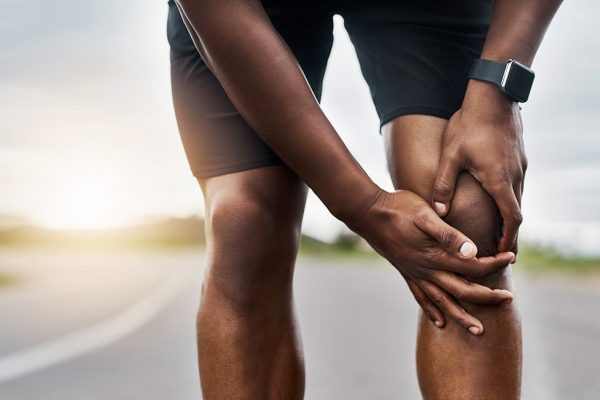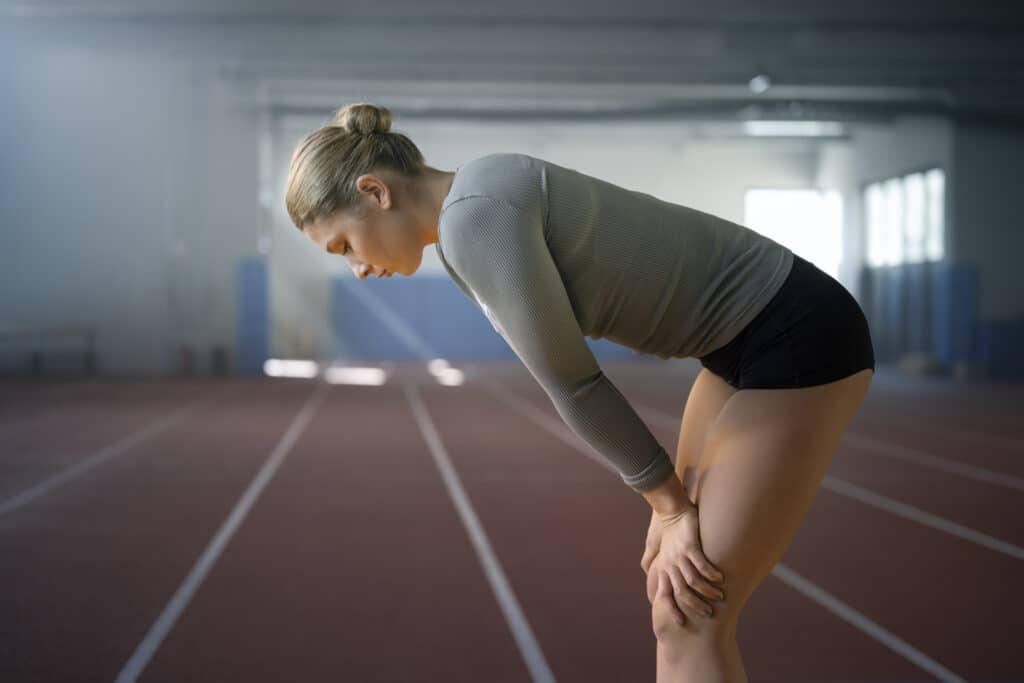
Patellar tendinopathy also known as jumper’s knee is a common condition that affects athletes, especially those involved in sports that involve a lot of jumping like basketball, volleyball and long jump. It is an overuse injury that occurs when the patellar tendon which connects the kneecap to the shinbone, is repeatedly stressed. It can cause pain, swelling and stiffness around the knee, making it difficult to engage in athletic activities. However, with the right treatment, one can manage the symptoms of patellar tendinopathy and prevent it from recurring.
In this blog post, we will look at some of the best ways to treat and prevent patellar tendinopathy. We will discuss both non-invasive and invasive treatment options and offer tips to prevent the injury from recurring. Whether you are an athlete or someone suffering from the condition this blog post will provide you with valuable insights on how to manage patellar tendinopathy.
Rest and ice: The first step in treating patellar tendinopathy is to rest the affected knee and apply ice to reduce inflammation and pain. Avoid any activities or exercises that may put undue stress on the knee. If possible, elevate the leg and use crutches to avoid putting weight on the knee. Apply ice to the affected area for 15-20 minutes every few hours.
Physiotherapy: A physiotherapist can help you develop a rehabilitation program that focuses on strengthening the muscles around the knee, including the quadriceps, hamstrings, and glutes. This will help distribute the load on the knees and reduce stress on the patellar tendon. They may also use techniques like soft tissue massage and kinesiology taping to promote healing and reduce inflammation.
Use of braces and orthotics: Certain braces or orthotics can be used to support the knee and limit its movement. This can help reduce stress on the patellar tendon and speed up the healing process. A patellar tendon strap, for instance, can help redistribute forces around the patellar tendon and reduce pain.
Platelet-Rich Plasma (PRP) Injections: PRP treatment is a regenerative medicine technique that involves injecting a concentration of the patient’s own platelets directly into the patellar tendon. These platelets release growth factors that promote tissue healing and repair, accelerating recovery and reducing inflammation. PRP is particularly effective in treating chronic cases of patellar tendinopathy and is a minimally invasive option with promising results.
Acupuncture: Acupuncture, a practice rooted in traditional Chinese medicine, can also support healing by improving blood flow, reducing pain, and stimulating the body’s natural repair processes. When used in conjunction with other treatments, acupuncture can help manage pain and promote overall recovery.
Surgery: Surgery is usually the last resort if other treatments fail. It may involve removing any damaged tissue around the patellar tendon or even reconstructing the tendon. The surgery may be done arthroscopically, which involves making small incisions in the knee, or through an open procedure. The recovery period may take several months, and physiotherapy will be required to regain strength and flexibility.
Preventing patellar tendinopathy:
Warm-up and cool down: Warm-up exercises can help prepare your muscles and tendons for the activity ahead, while cool-down exercises can help promote circulation and hasten recovery. Stretching, foam rolling, and massage can help prevent patellar tendinopathy.
Proper technique: Ensure that you use proper techniques when engaging in activities that involve jumping or repetitive knee bending. Poor technique can put undue stress on your knee and increase your risk of injury.
Wear appropriate shoes: Wear shoes that provide good support and cushioning for your feet. Avoid shoes that are worn out or do not fit properly.
Gradual progression: Do not push yourself too hard too quickly. Gradually increase the intensity and duration of your activities to allow your body to adapt slowly.
Cross-training: Participate in a variety of activities to avoid overuse of a particular muscle group. Cross-training can help strengthen different muscle groups, reduce your risk of injury, and improve your overall fitness.
Patellar tendinopathy can be a painful and debilitating condition, but it is treatable. Rest, ice, physiotherapy, braces and orthotics, and surgery are all viable treatment options. Preventing patellar tendinopathy involves warming up and cooling down, using proper technique, wearing appropriate shoes, gradually progressing, and cross-training. Seek medical attention if you experience persistent pain or swelling. With proper care and attention, you can manage this condition and resume your favorite activities.